Woman Contracts HIV After Tattoo
A 32-year-old woman tests HIV+ after tattoo, contaminated needle suspected.
'%3E%3Crect%20width%3D'96'%20height%3D'96'%20fill%3D'%23B3261E'%2F%3E%3Ccircle%20cx%3D'30'%20cy%3D'24'%20r%3D'44'%20fill%3D'%23fff'%20opacity%3D'.12'%2F%3E%3Ccircle%20cx%3D'60'%20cy%3D'74'%20r%3D'40'%20fill%3D'%23000'%20opacity%3D'.10'%2F%3E%3C%2Fg%3E%3Cg%20fill%3D'%23fff'%3E%3Crect%20x%3D'29'%20y%3D'49'%20width%3D'8'%20height%3D'19'%20rx%3D'1'%2F%3E%3Crect%20x%3D'39'%20y%3D'40'%20width%3D'9'%20height%3D'28'%20rx%3D'1'%2F%3E%3Crect%20x%3D'50'%20y%3D'45'%20width%3D'8'%20height%3D'23'%20rx%3D'1'%2F%3E%3Crect%20x%3D'60'%20y%3D'53'%20width%3D'7'%20height%3D'15'%20rx%3D'1'%2F%3E%3Crect%20x%3D'41'%20y%3D'34'%20width%3D'5'%20height%3D'6'%2F%3E%3C%2Fg%3E%3C%2Fsvg%3E)
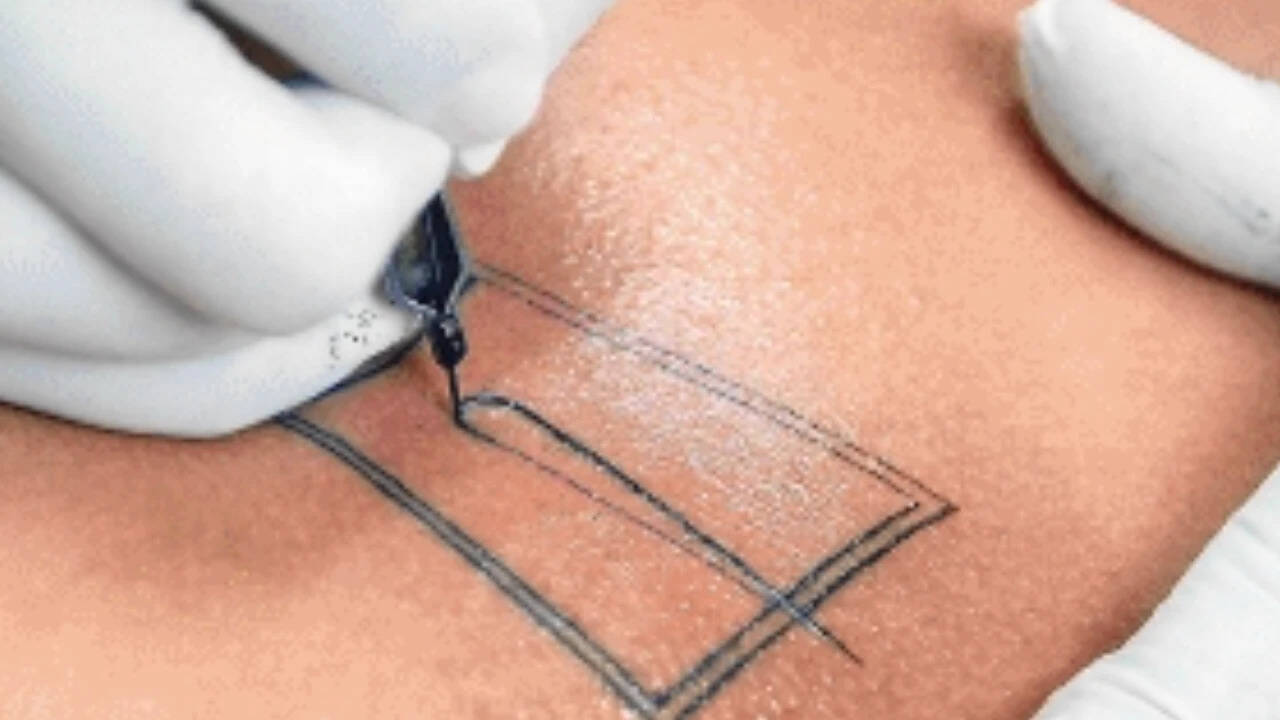
A 32-year-old woman from Kanpur has tested positive for HIV after developing a severe infection following a tattoo procedure in Delhi. The incident has raised concerns about the safety and hygiene of tattoo parlours in the city. According to doctors, the woman's infection is suspected to have been caused by a contaminated needle used at the tattoo parlour.
The woman had undergone the tattoo procedure several weeks prior to testing positive for HIV. After developing symptoms of a severe infection, she sought medical attention and was subsequently diagnosed with the disease. Doctors have begun treating her with free Anti-Retroviral Therapy at a government hospital to manage her condition.
The incident highlights the risks associated with unhygienic tattoo practices, which can expose individuals to blood-borne infections like HIV. Tattoo artists who do not follow proper sterilization procedures can inadvertently transmit diseases from one client to another through contaminated needles.
Tattoo inks themselves can also pose health risks, triggering various skin disorders and reactions in some individuals. The incident serves as a reminder of the importance of ensuring that tattoo parlours adhere to strict hygiene and safety standards to prevent the transmission of diseases.
In recent years, there have been several reports of individuals contracting diseases like HIV and hepatitis through contaminated needles and unhygienic practices at tattoo parlours. The incident has sparked concerns about the need for stricter regulations and oversight of the tattoo industry to protect clients from such risks.
The woman's case is a stark reminder of the potential health risks associated with tattoo procedures, particularly if proper safety protocols are not followed. As she undergoes treatment, her case serves as a warning to others to exercise caution when getting tattoos and to prioritize their health and safety above all else.
The government hospital where the woman is receiving treatment has emphasized the importance of providing free Anti-Retroviral Therapy to individuals living with HIV, highlighting the need for accessible and affordable healthcare services for those affected by the disease.
In conclusion, the incident highlights the need for increased awareness about the potential health risks associated with tattoo procedures and the importance of ensuring that tattoo parlours prioritize client safety and hygiene. By taking steps to prevent the transmission of diseases like HIV, individuals can protect themselves and others from the risks associated with unhygienic tattoo practices.
The case also underscores the significance of accessible healthcare services, particularly for individuals living with HIV. As the woman continues her treatment, her story serves as a reminder of the importance of prioritizing health and safety in all aspects of life, including when getting tattoos.
What this means for India is a renewed focus on the importance of hygiene and safety in the tattoo industry, as well as increased awareness about the potential health risks associated with tattoo procedures. By prioritizing client safety and providing accessible healthcare services, India can work towards reducing the transmission of diseases like HIV and promoting a healthier and safer environment for all.