Fruit Flies Aid NASA Immunity Study
Fruit flies in space help NASA, 1947 experiment key to immunity research
'%3E%3Crect%20width%3D'96'%20height%3D'96'%20fill%3D'%23B3261E'%2F%3E%3Ccircle%20cx%3D'30'%20cy%3D'24'%20r%3D'44'%20fill%3D'%23fff'%20opacity%3D'.12'%2F%3E%3Ccircle%20cx%3D'60'%20cy%3D'74'%20r%3D'40'%20fill%3D'%23000'%20opacity%3D'.10'%2F%3E%3C%2Fg%3E%3Cg%20fill%3D'%23fff'%3E%3Crect%20x%3D'29'%20y%3D'49'%20width%3D'8'%20height%3D'19'%20rx%3D'1'%2F%3E%3Crect%20x%3D'39'%20y%3D'40'%20width%3D'9'%20height%3D'28'%20rx%3D'1'%2F%3E%3Crect%20x%3D'50'%20y%3D'45'%20width%3D'8'%20height%3D'23'%20rx%3D'1'%2F%3E%3Crect%20x%3D'60'%20y%3D'53'%20width%3D'7'%20height%3D'15'%20rx%3D'1'%2F%3E%3Crect%20x%3D'41'%20y%3D'34'%20width%3D'5'%20height%3D'6'%2F%3E%3C%2Fg%3E%3C%2Fsvg%3E)
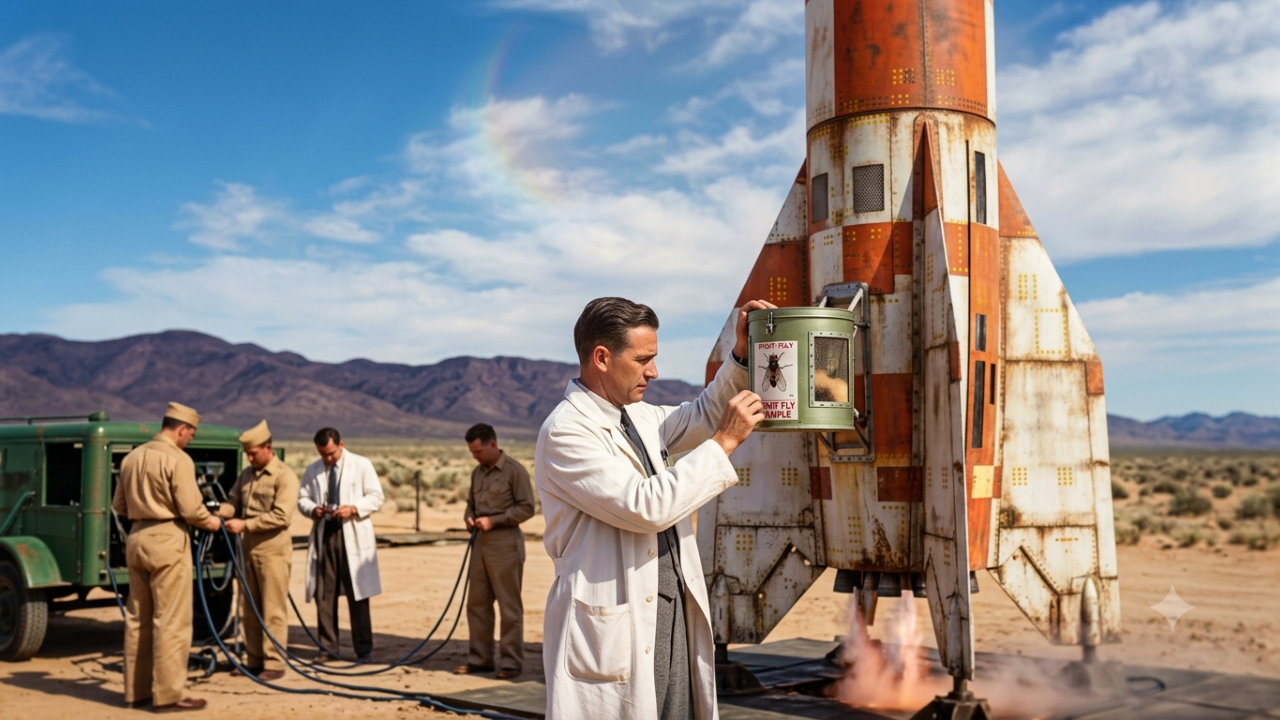
A 1947 experiment involving fruit flies has played a significant role in helping NASA study immunity in space. The experiment, which was conducted over 75 years ago, has provided valuable insights into how the immune system functions in microgravity environments.
The study of fruit flies in space has been instrumental in understanding how the immune system responds to stress and infection in microgravity. By analyzing the effects of space travel on the immune system of fruit flies, scientists have been able to gain a better understanding of how to protect astronauts from infections during long-duration space missions.
Fruit flies are often used in scientific research due to their short lifespan, rapid breeding, and relatively simple immune system. These characteristics make them an ideal model organism for studying the effects of space travel on the immune system. The 1947 experiment, which involved launching fruit flies into space, was one of the first to explore the effects of microgravity on living organisms.
The experiment was conducted using a V-2 rocket, which was launched from White Sands, New Mexico. The rocket carried a payload of fruit flies to an altitude of over 100 miles, marking one of the first times that living organisms had been launched into space. The fruit flies were used to study the effects of radiation and microgravity on living organisms, and the results of the experiment provided valuable insights into the effects of space travel on the immune system.
NASA has continued to build on the knowledge gained from the 1947 experiment, using fruit flies to study the effects of space travel on the immune system. The agency has conducted numerous experiments involving fruit flies, including a 2014 experiment that involved launching fruit flies to the International Space Station. The results of these experiments have provided valuable insights into how to protect astronauts from infections during long-duration space missions.
The study of fruit flies in space has also helped scientists to better understand the effects of microgravity on the human immune system. By analyzing the effects of space travel on the immune system of fruit flies, scientists have been able to identify potential risks and develop strategies to mitigate them. This knowledge has been used to develop countermeasures to protect astronauts from infections during long-duration space missions.
In addition to its contributions to our understanding of the immune system, the study of fruit flies in space has also helped to advance our knowledge of the effects of microgravity on living organisms. The results of these experiments have provided valuable insights into the effects of space travel on the development, growth, and behavior of living organisms.
The use of fruit flies in space research has been instrumental in advancing our understanding of the effects of microgravity on living organisms. The 1947 experiment, which involved launching fruit flies into space, marked one of the first times that living organisms had been used to study the effects of space travel. The results of this experiment, and subsequent experiments involving fruit flies, have provided valuable insights into the effects of space travel on the immune system and have helped to advance our knowledge of the effects of microgravity on living organisms.
In conclusion, the study of fruit flies in space has played a significant role in helping NASA to study immunity in space. The 1947 experiment, which involved launching fruit flies into space, has provided valuable insights into the effects of microgravity on the immune system. The use of fruit flies in space research has been instrumental in advancing our understanding of the effects of microgravity on living organisms, and has helped to develop countermeasures to protect astronauts from infections during long-duration space missions.
The significance of this research cannot be overstated, as it has the potential to impact the health and safety of astronauts on long-duration space missions. By understanding how the immune system functions in microgravity environments, scientists can develop strategies to protect astronauts from infections and ensure their safety during space travel. This research has far-reaching implications for the field of space exploration, and will continue to play a critical role in advancing our understanding of the effects of microgravity on living organisms.
Frequently asked questions
What was the purpose of the 1947 fruit fly experiment?
The purpose of the experiment was to study the effects of radiation and microgravity on living organisms.
How have fruit flies contributed to NASA's understanding of immunity in space?
Fruit flies have been used to study the effects of space travel on the immune system, providing valuable insights into how to protect astronauts from infections during long-duration space missions.