5,000-Mile Seaweed Belt Found Across Atlantic
Space images show massive seaweed belt. Threatens tourism and livelihoods.

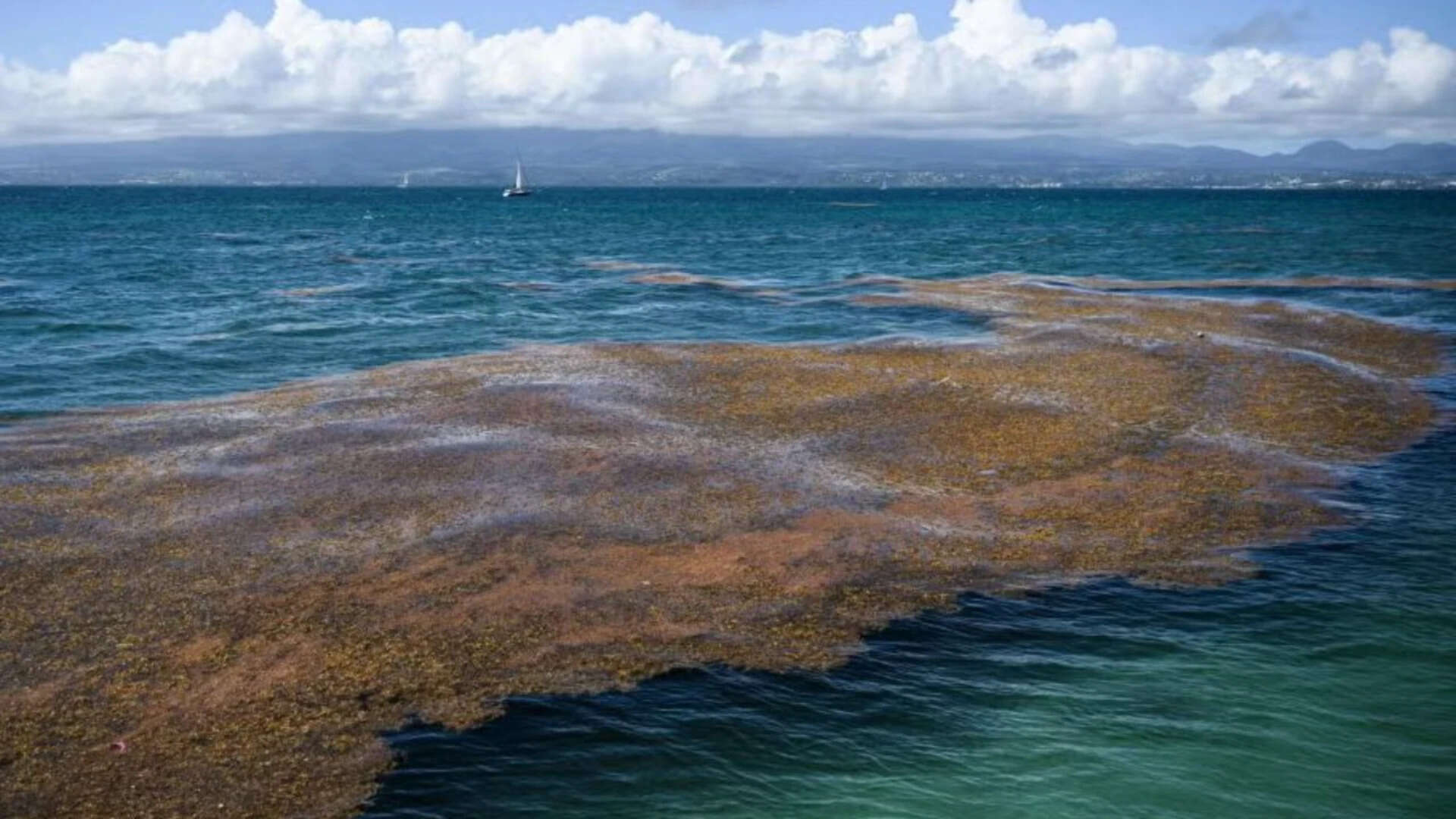
A massive 5,000-mile belt of Sargassum seaweed has been discovered across the Atlantic Ocean. This brown macroalgae was once a vital part of marine ecosystems, but its rapid growth now poses significant environmental and economic challenges.
The seaweed belt threatens the tourism industry and local livelihoods in coastal areas. Scientists are working to understand the causes of this rapid growth, focusing on the interplay between nutrient shifts and ocean currents.
Researchers believe that nutrient-rich runoff from land is a major contributor to the growth of Sargassum seaweed. This runoff stimulates the rapid growth of the seaweed, leading to the formation of massive belts like the one found across the Atlantic.
To address this issue, scientists emphasize the importance of tackling land-based pollution. By reducing the amount of nutrients that enter the ocean, it may be possible to curb the spread of Sargassum seaweed and mitigate its negative impacts.
The discovery of the 5,000-mile seaweed belt has significant implications for coastal ecosystems and economies. It highlights the need for urgent action to address the root causes of this issue and prevent further damage to marine environments.
Sargassum seaweed has been a part of marine ecosystems for centuries, providing habitat and food for various marine species. However, its rapid growth in recent years has transformed it into a significant coastal issue.
The use of space images has been instrumental in detecting and monitoring the growth of Sargassum seaweed. These images provide valuable insights into the extent and movement of the seaweed belt, helping scientists to better understand this complex issue.
As researchers continue to study the Sargassum seaweed belt, they are gaining a deeper understanding of the complex relationships between ocean currents, nutrient shifts, and the growth of this brown macroalgae. This knowledge will be crucial in developing effective strategies to address the issue and protect coastal ecosystems.
In conclusion, the discovery of the 5,000-mile seaweed belt across the Atlantic Ocean highlights the need for urgent action to address the root causes of this issue. By tackling land-based pollution and reducing the amount of nutrients that enter the ocean, it may be possible to curb the spread of Sargassum seaweed and mitigate its negative impacts on coastal ecosystems and economies.
The issue of Sargassum seaweed is not only an environmental concern but also an economic one. The growth of this seaweed can have significant impacts on tourism and local livelihoods, making it essential to address this issue promptly.
Ultimately, the resolution of this issue will require a collaborative effort from scientists, policymakers, and stakeholders to develop and implement effective strategies to protect coastal ecosystems and economies.