India Rejects Ex-Japan Minister's Bullet Train Claims
India denies bullet train delay claims, calls them an individual's opinion.
'%3E%3Crect%20width%3D'96'%20height%3D'96'%20fill%3D'%23B3261E'%2F%3E%3Ccircle%20cx%3D'30'%20cy%3D'24'%20r%3D'44'%20fill%3D'%23fff'%20opacity%3D'.12'%2F%3E%3Ccircle%20cx%3D'60'%20cy%3D'74'%20r%3D'40'%20fill%3D'%23000'%20opacity%3D'.10'%2F%3E%3C%2Fg%3E%3Cg%20fill%3D'%23fff'%3E%3Crect%20x%3D'29'%20y%3D'49'%20width%3D'8'%20height%3D'19'%20rx%3D'1'%2F%3E%3Crect%20x%3D'39'%20y%3D'40'%20width%3D'9'%20height%3D'28'%20rx%3D'1'%2F%3E%3Crect%20x%3D'50'%20y%3D'45'%20width%3D'8'%20height%3D'23'%20rx%3D'1'%2F%3E%3Crect%20x%3D'60'%20y%3D'53'%20width%3D'7'%20height%3D'15'%20rx%3D'1'%2F%3E%3Crect%20x%3D'41'%20y%3D'34'%20width%3D'5'%20height%3D'6'%2F%3E%3C%2Fg%3E%3C%2Fsvg%3E)
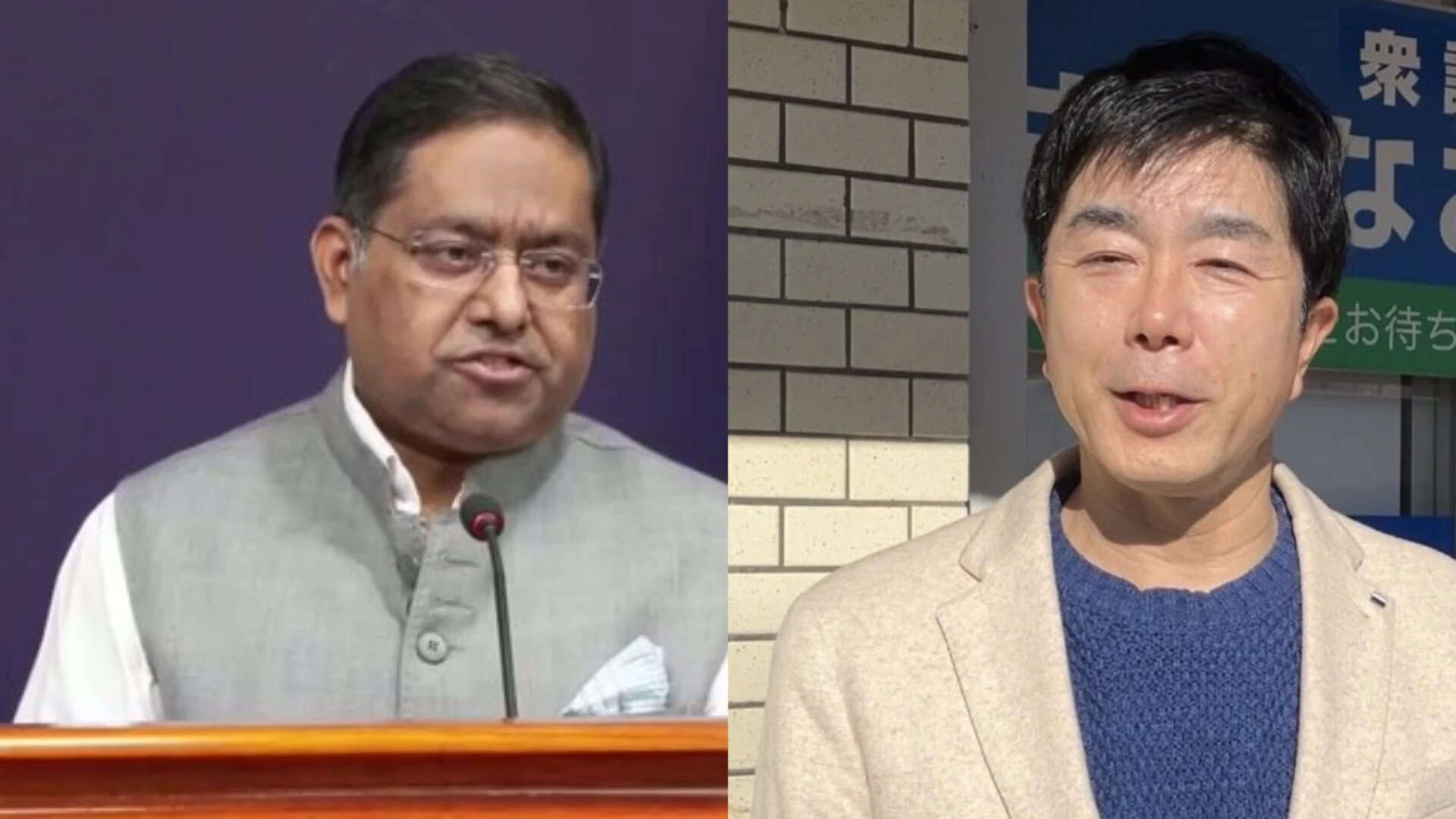
India has rejected claims made by a former Japanese minister regarding delays in the bullet train project. The claims were dismissed as an individual's opinion, with the Indian government stating that they do not reflect the official stance of Japan.
The former Japanese minister had expressed concerns over the delays in the project, which is a joint collaboration between India and Japan. However, the Indian government has maintained that the project is on track and that any delays are being addressed.
The bullet train project, which aims to connect Mumbai and Ahmedabad, is a major infrastructure initiative in India. The project has been in the works for several years and has faced several challenges, including land acquisition issues and technical glitches.
The Indian government has been working closely with the Japanese government to ensure the project's timely completion. Japan has been providing technical and financial assistance to India for the project, which is estimated to cost over Rs 1.1 lakh crore.
The project has the potential to revolutionize India's transportation sector, reducing travel time between Mumbai and Ahmedabad to just over two hours. The project is also expected to create thousands of jobs and stimulate economic growth in the region.
The rejection of the former Japanese minister's claims comes as a relief to the Indian government, which has been facing criticism over the project's delays. The government has maintained that the project is a priority and that it is working tirelessly to ensure its completion.
The bullet train project is a testament to the strong bilateral ties between India and Japan. The two countries have been cooperating closely on several infrastructure projects, including the bullet train project.
In recent years, India has been focusing on developing its infrastructure sector, with a emphasis on high-speed rail networks. The bullet train project is a key component of this strategy, and its successful completion is expected to have a significant impact on the country's economy.
The Indian government's rejection of the former Japanese minister's claims is a clear indication that the project is on track and that any delays are being addressed. The project's completion is expected to be a major milestone in India's infrastructure development, and it is likely to have a significant impact on the country's transportation sector.
The collaboration between India and Japan on the bullet train project is a shining example of the strong bilateral ties between the two countries. The project's successful completion is expected to further strengthen these ties and pave the way for future collaborations.
In conclusion, the Indian government's rejection of the former Japanese minister's claims is a positive development for the bullet train project. The project's completion is expected to have a significant impact on India's transportation sector and economy, and it is a testament to the strong bilateral ties between India and Japan.