Bhiwandi Civic Body Intensifies Disease Prevention Drive
Bhiwandi-Nizampur City Municipal Corporation steps up preventive measures against vector-borne and water-borne diseases. Health campaign launched across city.
'%3E%3Crect%20width%3D'96'%20height%3D'96'%20fill%3D'%23B3261E'%2F%3E%3Ccircle%20cx%3D'30'%20cy%3D'24'%20r%3D'44'%20fill%3D'%23fff'%20opacity%3D'.12'%2F%3E%3Ccircle%20cx%3D'60'%20cy%3D'74'%20r%3D'40'%20fill%3D'%23000'%20opacity%3D'.10'%2F%3E%3C%2Fg%3E%3Cg%20fill%3D'%23fff'%3E%3Crect%20x%3D'29'%20y%3D'49'%20width%3D'8'%20height%3D'19'%20rx%3D'1'%2F%3E%3Crect%20x%3D'39'%20y%3D'40'%20width%3D'9'%20height%3D'28'%20rx%3D'1'%2F%3E%3Crect%20x%3D'50'%20y%3D'45'%20width%3D'8'%20height%3D'23'%20rx%3D'1'%2F%3E%3Crect%20x%3D'60'%20y%3D'53'%20width%3D'7'%20height%3D'15'%20rx%3D'1'%2F%3E%3Crect%20x%3D'41'%20y%3D'34'%20width%3D'5'%20height%3D'6'%2F%3E%3C%2Fg%3E%3C%2Fsvg%3E)
The Bhiwandi-Nizampur City Municipal Corporation (BNCMC) has intensified its monsoon disease prevention drive across the city. With the monsoon season increasing the risk of vector-borne and water-borne diseases, the civic body has launched a comprehensive public health campaign to curb the spread of infectious diseases, including dengue and malaria.
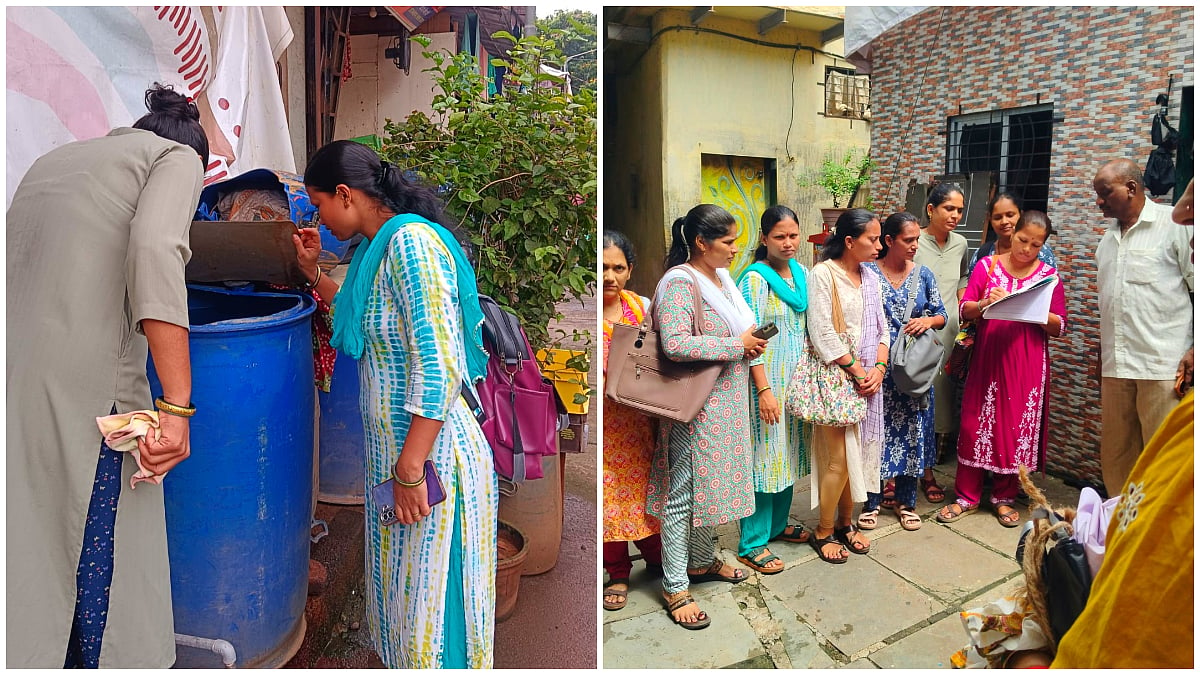
The municipal health department is implementing the campaign through 20 Urban Health Centres, 29 Health and Wellness Centres (HWCs), 10 Hinduhridaysamrat Balasaheb Thackeray (HBT) clinics and one BGP Hospital operating under the municipal corporation. Health workers, Auxiliary Nurse Midwives (ANMs) and Accredited Social Health Activists (ASHA workers) have been deployed to conduct door-to-door surveys to identify suspected cases of dengue, malaria and other seasonal diseases.
The field teams are also educating residents about preventive measures and the importance of maintaining hygiene. As part of mosquito control initiatives, guppy fish breeding centres have been established near municipal health facilities. The fish help control mosquito populations by feeding on mosquito larvae, thereby reducing breeding sites.
The civic body's Health and Sanitation Departments have also intensified fogging operations and insecticide spraying across vulnerable areas. Officials said these activities are being carried out periodically to contain the spread of vector-borne diseases during the monsoon.
To strengthen public awareness, the municipal corporation has launched an extensive information campaign through pamphlets, posters and banners across its jurisdiction. The initiative aims to educate residents about disease prevention and encourage them to adopt precautionary measures.
The Water Supply Department has been directed to regularly collect and send drinking water samples to the Government Laboratory in Thane for quality testing. The move is intended to ensure that water supplied to residents remains safe for consumption during the monsoon season.
The municipal administration is also collaborating with social organisations, local religious leaders, mosque representatives, imams, and elected representatives to spread awareness about disease prevention and community health. Special awareness sessions are being conducted in municipal and private schools to educate students about monsoon-related illnesses.
The civic body has also issued advisories to tyre repair shop owners, instructing them to ensure that their premises do not become breeding grounds for mosquitoes. The BNCMC's efforts are aimed at preventing the spread of diseases and ensuring the health and well-being of its residents during the monsoon season.
The monsoon disease prevention drive is a crucial initiative for the city, as it helps to protect residents from the risk of vector-borne and water-borne diseases. The civic body's proactive approach to disease prevention is a positive step towards maintaining public health and safety in Bhiwandi.
In conclusion, the Bhiwandi-Nizampur City Municipal Corporation's intensified disease prevention drive is a significant effort to prevent the spread of diseases during the monsoon season. The civic body's comprehensive public health campaign, awareness initiatives, and collaborative efforts with social organisations and local leaders are all aimed at protecting the health and well-being of its residents.
Frequently asked questions
What is the Bhiwandi-Nizampur City Municipal Corporation doing to prevent the spread of diseases during the monsoon season?
The civic body has launched a comprehensive public health campaign, intensified fogging operations and insecticide spraying, and established guppy fish breeding centres to control mosquito populations.
How is the civic body spreading awareness about disease prevention?
The municipal corporation is conducting awareness sessions in schools, distributing pamphlets, posters and banners, and collaborating with social organisations and local leaders to educate residents about disease prevention.