Nepal Demands 7,000m Peak Experience for Everest Climbers
Nepal introduces new rules, climbers must summit 7,000m peak first, improving safety
'%3E%3Crect%20width%3D'96'%20height%3D'96'%20fill%3D'%23B3261E'%2F%3E%3Ccircle%20cx%3D'30'%20cy%3D'24'%20r%3D'44'%20fill%3D'%23fff'%20opacity%3D'.12'%2F%3E%3Ccircle%20cx%3D'60'%20cy%3D'74'%20r%3D'40'%20fill%3D'%23000'%20opacity%3D'.10'%2F%3E%3C%2Fg%3E%3Cg%20fill%3D'%23fff'%3E%3Crect%20x%3D'29'%20y%3D'49'%20width%3D'8'%20height%3D'19'%20rx%3D'1'%2F%3E%3Crect%20x%3D'39'%20y%3D'40'%20width%3D'9'%20height%3D'28'%20rx%3D'1'%2F%3E%3Crect%20x%3D'50'%20y%3D'45'%20width%3D'8'%20height%3D'23'%20rx%3D'1'%2F%3E%3Crect%20x%3D'60'%20y%3D'53'%20width%3D'7'%20height%3D'15'%20rx%3D'1'%2F%3E%3Crect%20x%3D'41'%20y%3D'34'%20width%3D'5'%20height%3D'6'%2F%3E%3C%2Fg%3E%3C%2Fsvg%3E)
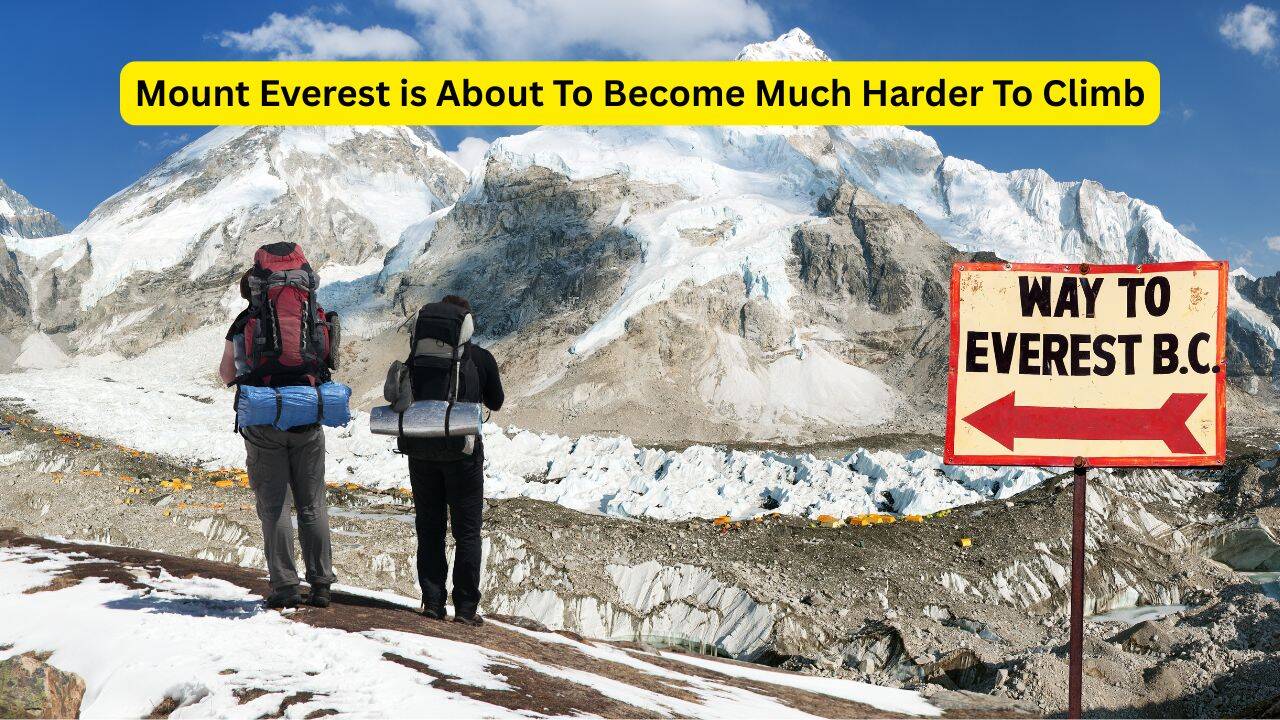
Nepal has introduced new rules for climbing Mount Everest, requiring aspiring climbers to first summit a 7,000-meter peak. This move aims to reduce overcrowding and improve climber safety on the mountain.
The new regulations have been supported by experienced mountaineers, who believe that climbers should have prior experience of high-altitude climbing before attempting to conquer the world's highest peak.
The decision is expected to impact Indian climbers, who will now need to plan multi-year expeditions if they want to achieve their Everest dreams. This will involve climbing a 7,000-meter peak, such as those found in the Himalayas, before being allowed to attempt Everest.
The introduction of these new rules is a response to the increasing number of climbers attempting to climb Everest in recent years, which has led to overcrowding and safety concerns. In 2019, a record number of climbers attempted to reach the summit, resulting in several deaths and highlighting the need for stricter regulations.
The Nepalese government hopes that these new rules will help to reduce the number of inexperienced climbers attempting to climb Everest, and improve overall safety on the mountain. Experienced climbers will be exempt from the new rules, but will still be required to meet certain safety standards.
The new regulations are also expected to have a positive impact on the local economy, as climbers will be required to hire experienced guides and use local services. This will help to support the local community and promote sustainable tourism in the region.
In recent years, there has been a growing concern about the environmental impact of climbing Everest, with many climbers leaving behind trash and human waste. The new regulations may also help to reduce the environmental impact of climbing, as fewer climbers will be attempting to reach the summit.
Overall, the introduction of these new rules is a positive step towards improving safety and reducing overcrowding on Mount Everest. It will require Indian climbers to plan and prepare carefully, but will ultimately help to ensure that their attempts to climb the mountain are successful and safe.
The new rules are a significant development in the world of mountaineering, and will be closely watched by climbers and adventure seekers around the world. As the climbing season approaches, it remains to be seen how the new regulations will be implemented and what impact they will have on the climbing community.
In the long term, the new rules may also lead to an increase in the number of climbers attempting to climb other high-altitude peaks in the Himalayas, as they seek to gain the necessary experience to climb Everest. This could have a positive impact on the local economy and promote sustainable tourism in the region.
The Nepalese government's decision to introduce new rules for climbing Mount Everest is a significant step towards improving safety and reducing overcrowding on the mountain. It will require climbers to be better prepared and more experienced, and will ultimately help to ensure that their attempts to climb the mountain are successful and safe.
For Indian climbers, the new rules will require careful planning and preparation, but will ultimately be worth it for the opportunity to climb the world's highest peak. With the right experience and training, climbers will be able to tackle the challenges of Everest and achieve their dreams.
In conclusion, the introduction of new rules for climbing Mount Everest is a positive development that will improve safety and reduce overcrowding on the mountain. It will require climbers to be better prepared and more experienced, and will ultimately help to ensure that their attempts to climb the mountain are successful and safe.
The new regulations will have a significant impact on the climbing community, and will be closely watched by adventure seekers around the world. As the climbing season approaches, it remains to be seen how the new regulations will be implemented and what impact they will have on the climbing community.
Frequently asked questions
What is the new requirement for climbing Mount Everest in Nepal?
Aspiring climbers must first summit a 7,000-meter peak before attempting to climb Mount Everest.
Why has Nepal introduced these new rules?
To reduce overcrowding and improve climber safety on the mountain.