Cleveland Plans 200 New Homes After Losing 80,000 Residents
Cleveland's near-East Side lost most residents, new plan aims to build homes
'%3E%3Crect%20width%3D'96'%20height%3D'96'%20fill%3D'%23B3261E'%2F%3E%3Ccircle%20cx%3D'30'%20cy%3D'24'%20r%3D'44'%20fill%3D'%23fff'%20opacity%3D'.12'%2F%3E%3Ccircle%20cx%3D'60'%20cy%3D'74'%20r%3D'40'%20fill%3D'%23000'%20opacity%3D'.10'%2F%3E%3C%2Fg%3E%3Cg%20fill%3D'%23fff'%3E%3Crect%20x%3D'29'%20y%3D'49'%20width%3D'8'%20height%3D'19'%20rx%3D'1'%2F%3E%3Crect%20x%3D'39'%20y%3D'40'%20width%3D'9'%20height%3D'28'%20rx%3D'1'%2F%3E%3Crect%20x%3D'50'%20y%3D'45'%20width%3D'8'%20height%3D'23'%20rx%3D'1'%2F%3E%3Crect%20x%3D'60'%20y%3D'53'%20width%3D'7'%20height%3D'15'%20rx%3D'1'%2F%3E%3Crect%20x%3D'41'%20y%3D'34'%20width%3D'5'%20height%3D'6'%2F%3E%3C%2Fg%3E%3C%2Fsvg%3E)
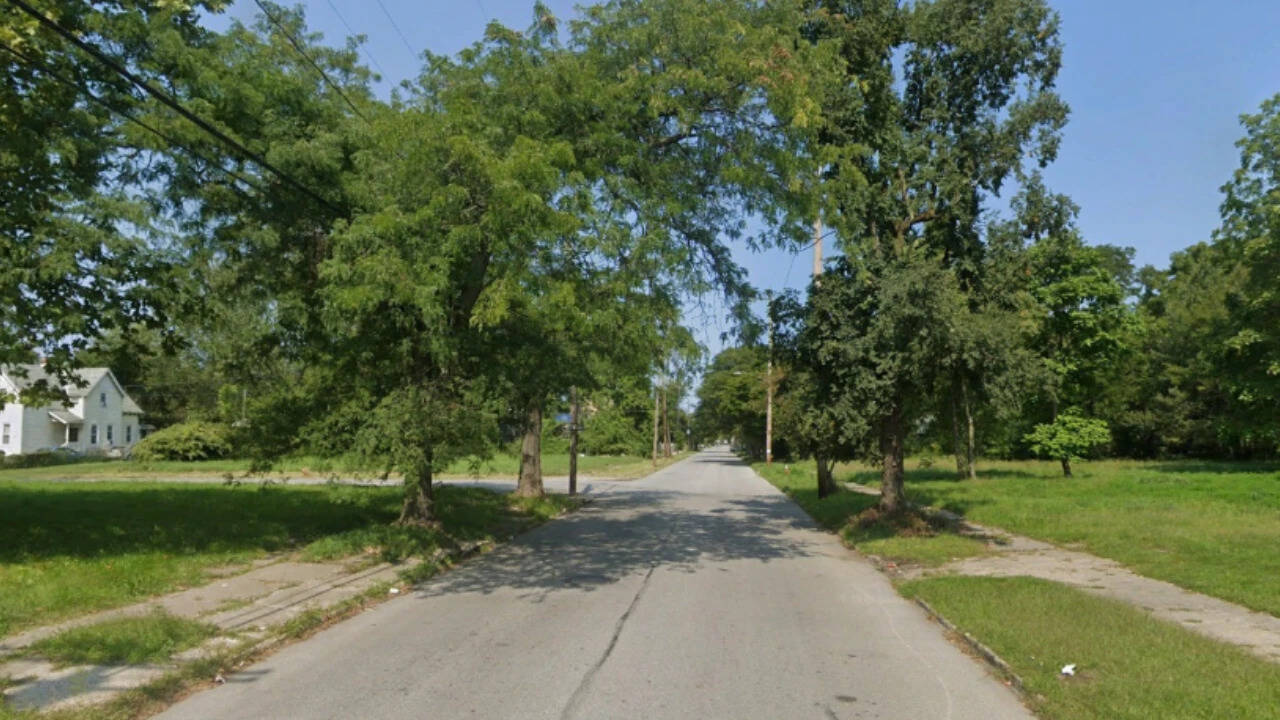
Cleveland's near-East Side has experienced a significant decline in population over the years, falling from nearly 100,000 residents in the 1960s to fewer than 20,000 today. This drastic decrease has led to a need for revitalization and redevelopment in the area.
The city of Cleveland has come up with a plan to address this issue through its Housing Innovation District. The plan involves building 200 new homes in the area, with the goal of attracting new residents and stimulating economic growth.
The project is backed by $2 million in state funding, which will be used to support the development of the new homes. In addition to the state funding, a tax increment financing plan is also being considered. This plan could generate up to $182 million over 30 years, which would be used to fund improvements such as streets, sewers, parks, and other infrastructure.
The decline in population in Cleveland's near-East Side is a result of various factors, including urban decay and a lack of economic opportunities. The area was once a thriving community, but over the years, it has experienced a significant decline in investment and development.
The new plan aims to reverse this trend by providing affordable and attractive housing options, as well as investing in the area's infrastructure. The Housing Innovation District is a key part of this plan, and it is expected to play a major role in the revitalization of the area.
The city of Cleveland is hopeful that the new plan will be successful in attracting new residents and stimulating economic growth in the area. The project is seen as a crucial step towards revitalizing the near-East Side and restoring it to its former glory.
The significance of this project extends beyond the local community, as it has the potential to serve as a model for other cities facing similar challenges. The use of tax increment financing and state funding to support redevelopment efforts is a strategy that could be replicated in other areas, and it will be interesting to see how the project progresses and what lessons can be learned from it.
In terms of what this means for the city of Cleveland and its residents, the new plan offers a glimmer of hope for the future. The decline of the near-East Side has been a long-standing issue, and the new plan provides a potential solution. If successful, the project could lead to increased investment, economic growth, and a improved quality of life for residents in the area.
Overall, the plan to build 200 new homes in Cleveland's near-East Side is a positive step towards revitalizing the area and addressing the decline in population. With the right support and investment, the project has the potential to make a significant impact and serve as a model for other cities facing similar challenges.
Frequently asked questions
What is the main goal of the Housing Innovation District plan?
The main goal of the plan is to build 200 new homes and attract new residents to the area.
How will the project be funded?
The project will be funded through $2 million in state funding and a tax increment financing plan that could generate up to $182 million over 30 years.