Delhi High Court Stays ITC Aashirvaad Atta Licence Cancellation
ITC's Aashirvaad Atta licence cancellation stayed, FSSAI asked to hold off
'%3E%3Crect%20width%3D'96'%20height%3D'96'%20fill%3D'%230B6E4F'%2F%3E%3Ccircle%20cx%3D'30'%20cy%3D'24'%20r%3D'44'%20fill%3D'%23fff'%20opacity%3D'.12'%2F%3E%3Ccircle%20cx%3D'60'%20cy%3D'74'%20r%3D'40'%20fill%3D'%23000'%20opacity%3D'.10'%2F%3E%3C%2Fg%3E%3Cg%20fill%3D'none'%20stroke%3D'%23fff'%20stroke-width%3D'3.2'%20stroke-linecap%3D'round'%20stroke-linejoin%3D'round'%3E%3Cpolyline%20points%3D'31%2C59%2041%2C49%2049%2C54%2063%2C37'%2F%3E%3Cpolyline%20points%3D'55%2C37%2063%2C37%2063%2C45'%2F%3E%3C%2Fg%3E%3C%2Fsvg%3E)
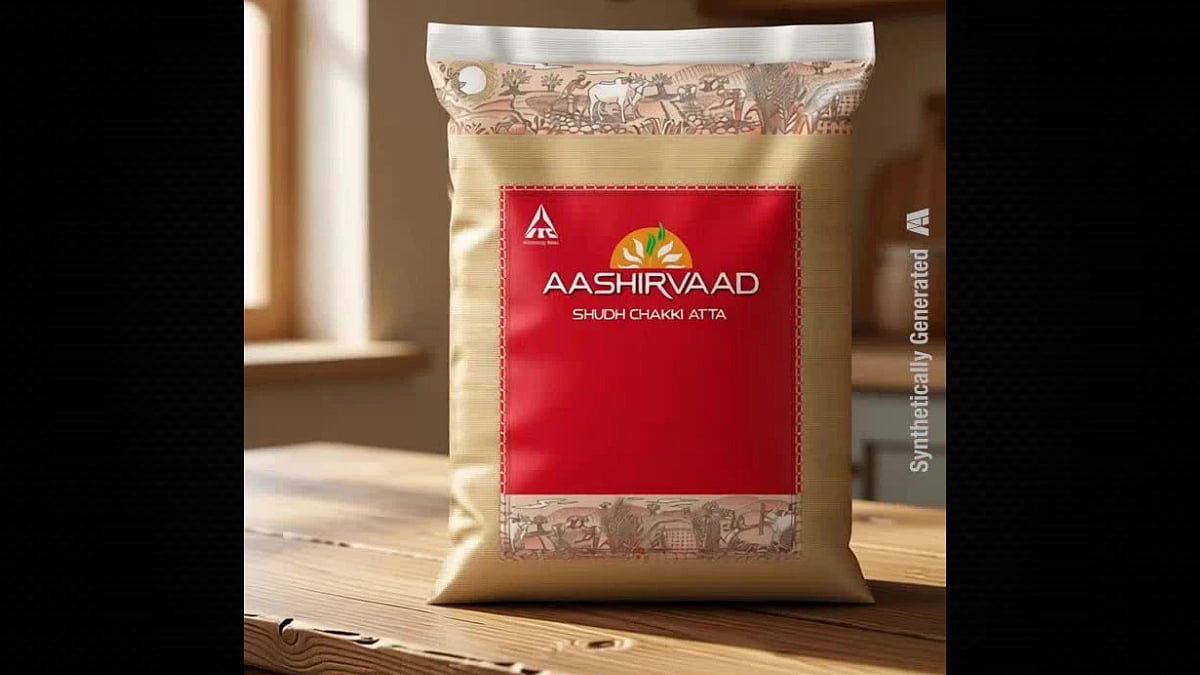
The Delhi High Court has intervened in the dispute between ITC and the Food Safety and Standards Authority of India (FSSAI) over the use of '100%' claims on ITC's Aashirvaad Shudh Chakki Atta product.
Justice Swarana Kanta Sharma has issued notices to FSSAI and other respondents on ITC's petition challenging the regulator's advisory on '100%' claims used on food products. The court has listed the matter for further hearing on September 9.
The court directed FSSAI to refrain from taking any decision to cancel ITC's licence until the next hearing. It has also asked the parties to submit brief notes addressing the question of jurisdiction.
ITC challenges FSSAI advisory, arguing that the regulator's action is arbitrary and beyond its powers under the Food Safety and Standards Act, 2006. The company claims that food businesses are required to comply with the Act, rules and regulations, but are not legally bound by an advisory issued outside that statutory framework.
The dispute centres on '100%' labelling, which FSSAI advised food business operators to stop using on food labels, packaging and promotional material in an advisory dated May 28, 2025. ITC has challenged both the advisory and subsequent regulatory actions, including an August 10 show-cause notice and an August 13 improvement notice.
ITC argues that existing food-labelling regulations do not expressly prohibit '100%' claims. The company has cited Regulation 4(4) of the Food Safety and Standards (Labelling and Display) Regulations, 2020, which permits label information provided it does not conflict with applicable regulations.
The company has also relied on the Food Safety and Standards (Advertising and Claims) Regulations, 2018, arguing that these rules similarly do not prohibit the use of '100%'. FSSAI has opposed ITC's petition, arguing that the High Court does not have jurisdiction to hear the challenge.
The case has significant implications for the food industry, as it raises questions about the regulatory framework governing food labelling and advertising. The outcome of the case will be closely watched by food manufacturers and regulators alike.
In the meantime, ITC's Aashirvaad Atta product will continue to be available in the market, and the company will be able to continue using the '100%' claim on its labels and promotional material. The court's decision to stay the licence cancellation is a temporary reprieve for ITC, but the final outcome of the case remains to be seen.
The Food Safety and Standards Authority of India (FSSAI) is responsible for regulating the food industry in India, and its advisory on '100%' claims has sparked a heated debate about the use of such claims on food labels. The Delhi High Court's decision to intervene in the dispute highlights the importance of clarity and consistency in food labelling regulations.
As the case progresses, it is likely that other food manufacturers will be watching closely to see how the court rules on the use of '100%' claims. The outcome of the case will have significant implications for the food industry, and could potentially lead to changes in the way that food labels are regulated in India.
In conclusion, the Delhi High Court's decision to stay the licence cancellation of ITC's Aashirvaad Atta product is a significant development in the dispute between ITC and FSSAI. The case raises important questions about the regulatory framework governing food labelling and advertising, and the outcome will be closely watched by food manufacturers and regulators alike.
The court's decision to intervene in the dispute highlights the importance of clarity and consistency in food labelling regulations, and the need for a clear and consistent approach to regulating the use of '100%' claims on food labels. As the case progresses, it is likely that other food manufacturers will be watching closely to see how the court rules on the use of '100%' claims, and the potential implications for the food industry as a whole.
The final outcome of the case will depend on the court's interpretation of the relevant regulations and the evidence presented by both parties. However, one thing is clear: the use of '100%' claims on food labels is a complex issue that requires careful consideration and regulation. The Delhi High Court's decision to intervene in the dispute is a step in the right direction, and will help to provide clarity and consistency in the regulation of food labelling in India.
The case is a reminder that the regulation of food labelling is an important issue that affects not just food manufacturers, but also consumers. The use of '100%' claims on food labels can have a significant impact on consumer choice and behaviour, and it is therefore essential that such claims are regulated in a clear and consistent manner.
In the end, the outcome of the case will depend on the court's ability to balance the competing interests of food manufacturers and consumers. The court must consider the evidence presented by both parties, and make a decision that is fair and reasonable. The decision will have significant implications for the food industry, and will help to shape the regulation of food labelling in India for years to come.
The Delhi High Court's decision to stay the licence cancellation of ITC's Aashirvaad Atta product is a significant development in the dispute between ITC and FSSAI. The case raises important questions about the regulatory framework governing food labelling and advertising, and the outcome will be closely watched by food manufacturers and regulators alike.
The court's decision to intervene in the dispute highlights the importance of clarity and consistency in food labelling regulations, and the need for a clear and consistent approach to regulating the use of '100%' claims on food labels. As the case progresses, it is likely that other food manufacturers will be watching closely to see how the court rules on the use of '100%' claims, and the potential implications for the food industry as a whole.
The final outcome of the case will depend on the court's interpretation of the relevant regulations and the evidence presented by both parties. However, one thing is clear: the use of '100%' claims on food labels is a complex issue that requires careful consideration and regulation. The Delhi High Court's decision to intervene in the dispute is a step in the right direction, and will help to provide clarity and consistency in the regulation of food labelling in India.
For now, ITC's Aashirvaad Atta product will continue to be available in the market, and the company will be able to continue using the '100%' claim on its labels and promotional material. The court's decision to stay the licence cancellation is a temporary reprieve for ITC, but the final outcome of the case remains to be seen.
The case is a reminder that the regulation of food labelling is an important issue that affects not just food manufacturers, but also consumers. The use of '100%' claims on food labels can have a significant impact on consumer choice and behaviour, and it is therefore essential that such claims are regulated in a clear and consistent manner.
In conclusion, the Delhi High Court's decision to stay the licence cancellation of ITC's Aashirvaad Atta product is a significant development in the dispute between ITC and FSSAI. The case raises important questions about the regulatory framework governing food labelling and advertising, and the outcome will be closely watched by food manufacturers and regulators alike.
The court's decision to intervene in the dispute highlights the importance of clarity and consistency in food labelling regulations, and the need for a clear and consistent approach to regulating the use of '100%' claims on food labels. As the case progresses, it is likely that other food manufacturers will be watching closely to see how the court rules on the use of '100%' claims, and the potential implications for the food industry as a whole.
The final outcome of the case will depend on the court's interpretation of the relevant regulations and the evidence presented by both parties. However, one thing is clear: the use of '100%' claims on food labels is a complex issue that requires careful consideration and regulation. The Delhi High Court's decision to intervene in the dispute is a step in the right direction, and will help to provide clarity and consistency in the regulation of food labelling in India.
What it means for Mumbai or India is that the court's decision will have significant implications for the food industry, and will help to shape the regulation of food labelling in India for years to come. The case raises important questions about the regulatory framework governing food labelling and advertising, and the outcome will be closely watched by food manufacturers and regulators alike.
The court's decision to intervene in the dispute highlights the importance of clarity and consistency in food labelling regulations, and the need for a clear and consistent approach to regulating the use of '100%' claims on food labels. As the case progresses, it is likely that other food manufacturers will be watching closely to see how the court rules on the use of '100%' claims, and the potential implications for the food industry as a whole.
The final outcome of the case will depend on the court's interpretation of the relevant regulations and the evidence presented by both parties. However, one thing is clear: the use of '100%' claims on food labels is a complex issue that requires careful consideration and regulation. The Delhi High Court's decision to intervene in the dispute is a step in the right direction, and will help to provide clarity and consistency in the regulation of food labelling in India.
In the end, the outcome of the case will depend on the court's ability to balance the competing interests of food manufacturers and consumers. The court must consider the evidence presented by both parties, and make a decision that is fair and reasonable. The decision will have significant implications for the food industry, and will help to shape the regulation of food labelling in India for years to come.
Frequently asked questions
What is the dispute between ITC and FSSAI about?
The dispute is about the use of '100%' claims on ITC's Aashirvaad Shudh Chakki Atta product, which FSSAI has advised food business operators to stop using.
What is the current status of the case?
The Delhi High Court has stayed the licence cancellation of ITC's Aashirvaad Atta product and has asked FSSAI to hold off on any decision to cancel the licence until the next hearing on September 9.