MSRTC Bus Fares Rise 13.56% in Maharashtra
Fare hike approved, effective July 18. MSRTC buses to cost more.
'%3E%3Crect%20width%3D'96'%20height%3D'96'%20fill%3D'%23B3261E'%2F%3E%3Ccircle%20cx%3D'30'%20cy%3D'24'%20r%3D'44'%20fill%3D'%23fff'%20opacity%3D'.12'%2F%3E%3Ccircle%20cx%3D'60'%20cy%3D'74'%20r%3D'40'%20fill%3D'%23000'%20opacity%3D'.10'%2F%3E%3C%2Fg%3E%3Cg%20fill%3D'%23fff'%3E%3Crect%20x%3D'29'%20y%3D'49'%20width%3D'8'%20height%3D'19'%20rx%3D'1'%2F%3E%3Crect%20x%3D'39'%20y%3D'40'%20width%3D'9'%20height%3D'28'%20rx%3D'1'%2F%3E%3Crect%20x%3D'50'%20y%3D'45'%20width%3D'8'%20height%3D'23'%20rx%3D'1'%2F%3E%3Crect%20x%3D'60'%20y%3D'53'%20width%3D'7'%20height%3D'15'%20rx%3D'1'%2F%3E%3Crect%20x%3D'41'%20y%3D'34'%20width%3D'5'%20height%3D'6'%2F%3E%3C%2Fg%3E%3C%2Fsvg%3E)
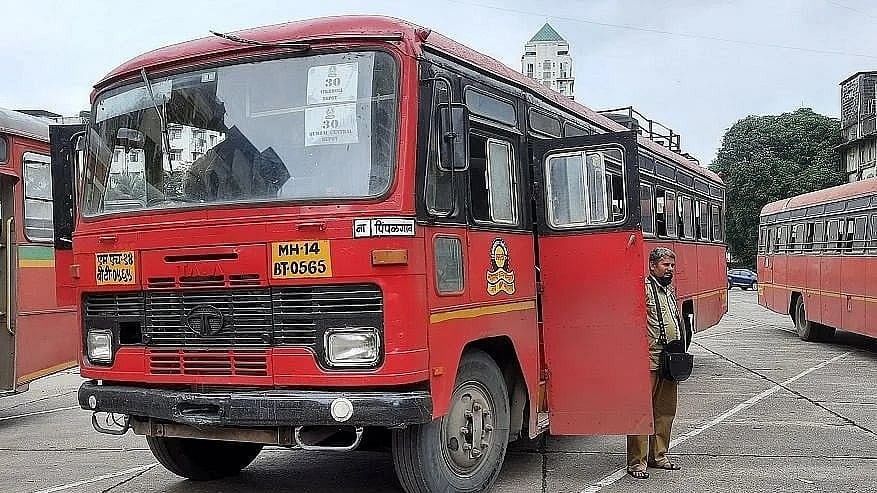
The Maharashtra State Transport Authority has approved a 13.56% fare hike for MSRTC buses, effective from midnight between July 17 and July 18. This decision affects over 55 lakh daily passengers who use the service.
The fare hike is attributed to rising diesel prices, increased expenditure on employee allowances, and higher costs of spare parts, tyres, and vehicle maintenance. The MSRTC, one of the largest public bus service corporations in the country, operates a fleet of over 14,000 buses.
The existing 10% seasonal fare hike for ordinary buses will be withdrawn, according to a release by the corporation. On July 15, the seasonal fare hike was extended until the end of the month. However, with the new fare revision, the seasonal hike will no longer be applicable.
The fare revision was deemed necessary to ensure the financial sustainability of the MSRTC. Rising diesel prices, largely due to the geopolitical situation in the Gulf region, have significantly impacted the corporation's expenses. Additionally, increased costs of employee allowances, spare parts, tyres, and vehicle maintenance have contributed to the need for a fare hike.
The MSRTC is a vital mode of transportation for many in Maharashtra, providing an essential service to commuters across the state. The fare hike may impact the daily commute for many, particularly those who rely heavily on the MSRTC bus service.
In recent times, the MSRTC has faced challenges in maintaining its services due to rising operational costs. The fare hike is expected to help the corporation offset some of these costs and ensure the continuation of its services.
The decision to approve the fare hike was made after considering the various factors affecting the MSRTC's finances. The corporation aims to strike a balance between providing affordable services to commuters and ensuring its own financial sustainability.
As the fare hike comes into effect, commuters can expect to pay more for their daily travel. The MSRTC has stated that the fare revision is necessary to ensure the long-term viability of the corporation.
In conclusion, the 13.56% fare hike for MSRTC buses is a significant development that will impact commuters across Maharashtra. While the hike may cause inconvenience to some, it is intended to help the corporation maintain its services and ensure its financial sustainability.
The MSRTC's decision to revise fares highlights the challenges faced by public transportation services in maintaining affordable prices while coping with rising operational costs. As the corporation moves forward, it will be essential to balance the needs of commuters with the need to ensure financial sustainability.
The fare hike is a reminder of the importance of efficient and affordable public transportation in Maharashtra. The MSRTC plays a vital role in providing transportation services to millions of people across the state, and its continued operation is crucial for the state's economy and development.
In the coming days, commuters can expect to see the revised fares in effect. The MSRTC has stated that the fare hike is necessary to ensure the continuation of its services, and it is hoped that the corporation will be able to maintain its operations while keeping fares affordable for commuters.
The decision to approve the fare hike has significant implications for commuters and the state's economy. As the MSRTC moves forward, it will be essential to monitor the impact of the fare hike and ensure that the corporation continues to provide affordable and efficient services to commuters.
The MSRTC's fare hike is a significant development in the state's transportation sector. As the corporation navigates the challenges of rising operational costs, it is essential to prioritize the needs of commuters while ensuring financial sustainability.
The fare hike will undoubtedly have an impact on commuters, particularly those who rely heavily on the MSRTC bus service. However, the corporation's decision to revise fares is intended to ensure the long-term viability of the service and maintain its operations.
In the context of Maharashtra's transportation sector, the MSRTC's fare hike is a significant development. The corporation's decision to revise fares highlights the challenges faced by public transportation services in maintaining affordable prices while coping with rising operational costs.
The MSRTC's fare hike is expected to have a significant impact on the state's economy and development. As the corporation moves forward, it will be essential to balance the needs of commuters with the need to ensure financial sustainability.
In conclusion, the 13.56% fare hike for MSRTC buses is a significant development that will impact commuters across Maharashtra. While the hike may cause inconvenience to some, it is intended to help the corporation maintain its services and ensure its financial sustainability. The decision to approve the fare hike has significant implications for commuters and the state's economy, and it is hoped that the corporation will be able to maintain its operations while keeping fares affordable for commuters.
The MSRTC's fare hike is a reminder of the importance of efficient and affordable public transportation in Maharashtra. The corporation plays a vital role in providing transportation services to millions of people across the state, and its continued operation is crucial for the state's economy and development. As the MSRTC navigates the challenges of rising operational costs, it is essential to prioritize the needs of commuters while ensuring financial sustainability.
For commuters in Maharashtra, the MSRTC's fare hike may cause some inconvenience. However, the corporation's decision to revise fares is intended to ensure the long-term viability of the service and maintain its operations. As the fare hike comes into effect, commuters can expect to pay more for their daily travel.
The MSRTC's fare hike has significant implications for the state's economy and development. The corporation's decision to revise fares highlights the challenges faced by public transportation services in maintaining affordable prices while coping with rising operational costs. As the MSRTC moves forward, it will be essential to balance the needs of commuters with the need to ensure financial sustainability.
In the coming days, the MSRTC's fare hike will undoubtedly have an impact on commuters. However, the corporation's decision to revise fares is intended to ensure the continuation of its services and maintain its operations. The fare hike is a significant development in the state's transportation sector, and it is hoped that the corporation will be able to maintain its operations while keeping fares affordable for commuters.
The MSRTC's fare hike is a significant development that will impact commuters across Maharashtra. The corporation's decision to revise fares is intended to help the corporation maintain its services and ensure its financial sustainability. As the fare hike comes into effect, commuters can expect to pay more for their daily travel.
The decision to approve the fare hike has significant implications for commuters and the state's economy. The MSRTC's fare hike is a reminder of the importance of efficient and affordable public transportation in Maharashtra. The corporation plays a vital role in providing transportation services to millions of people across the state, and its continued operation is crucial for the state's economy and development.
In conclusion, the 13.56% fare hike for MSRTC buses is a significant development that will impact commuters across Maharashtra. While the hike may cause inconvenience to some, it is intended to help the corporation maintain its services and ensure its financial sustainability. The MSRTC's decision to revise fares highlights the challenges faced by public transportation services in maintaining affordable prices while coping with rising operational costs. As the corporation moves forward, it will be essential to prioritize the needs of commuters while ensuring financial sustainability.
The MSRTC's fare hike is expected to have a significant impact on the state's economy and development. The corporation's decision to revise fares is intended to ensure the long-term viability of the service and maintain its operations. As the fare hike comes into effect, commuters can expect to pay more for their daily travel.
For commuters in Maharashtra, the MSRTC's fare hike may cause some inconvenience. However, the corporation's decision to revise fares is intended to ensure the continuation of its services and maintain its operations. The fare hike is a significant development in the state's transportation sector, and it is hoped that the corporation will be able to maintain its operations while keeping fares affordable for commuters.
The MSRTC's fare hike has significant implications for the state's economy and development. The corporation's decision to revise fares highlights the challenges faced by public transportation services in maintaining affordable prices while coping with rising operational costs. As the MSRTC moves forward, it will be essential to balance the needs of commuters with the need to ensure financial sustainability.
The MSRTC's fare hike is a significant development that will impact commuters across Maharashtra. The corporation's decision to revise fares is intended to help the corporation maintain its services and ensure its financial sustainability. As the fare hike comes into effect, commuters can expect to pay more for their daily travel.
The decision to approve the fare hike has significant implications for commuters and the state's economy. The MSRTC's fare hike is a reminder of the importance of efficient and affordable public transportation in Maharashtra. The corporation plays a vital role in providing transportation services to millions of people across the state, and its continued operation is crucial for the state's economy and development.
In the context of Maharashtra's transportation sector, the MSRTC's fare hike is a significant development. The corporation's decision to revise fares highlights the challenges faced by public transportation services in maintaining affordable prices while coping with rising operational costs. As the MSRTC navigates the challenges of rising operational costs, it is essential to prioritize the needs of commuters while ensuring financial sustainability.
The MSRTC's fare hike is expected to have a significant impact on the state's economy and development. As the corporation moves forward, it will be essential to balance the needs of commuters with the need to ensure financial sustainability. The fare hike is a significant development in the state's transportation sector, and it is hoped that the corporation will be able to maintain its operations while keeping fares affordable for commuters.
In conclusion, the 13.56% fare hike for MSRTC buses is a significant development that will impact commuters across Maharashtra. While the hike may cause inconvenience to some, it is intended to help the corporation maintain its services and ensure its financial sustainability. The MSRTC's decision to revise fares highlights the challenges faced by public transportation services in maintaining affordable prices while coping with rising operational costs. As the corporation moves forward, it will be essential to prioritize the needs of commuters while ensuring financial sustainability.
What the fare hike means for Mumbai and Maharashtra is that commuters will have to pay more for their daily travel. However, the MSRTC's decision to revise fares is intended to ensure the continuation of its services and maintain its operations. The fare hike is a significant development in the state's transportation sector, and it is hoped that the corporation will be able to maintain its operations while keeping fares affordable for commuters. The MSRTC plays a vital role in providing transportation services to millions of people across the state, and its continued operation is crucial for the state's economy and development. As the MSRTC navigates the challenges of rising operational costs, it is essential to prioritize the needs of commuters while ensuring financial sustainability.