Fadnavis Gets Power to Override Ministers' Decisions
Maharashtra CM Devendra Fadnavis now has legal authority to override ministerial decisions.
'%3E%3Crect%20width%3D'96'%20height%3D'96'%20fill%3D'%231A5276'%2F%3E%3Ccircle%20cx%3D'30'%20cy%3D'24'%20r%3D'44'%20fill%3D'%23fff'%20opacity%3D'.12'%2F%3E%3Ccircle%20cx%3D'60'%20cy%3D'74'%20r%3D'40'%20fill%3D'%23000'%20opacity%3D'.10'%2F%3E%3C%2Fg%3E%3Cg%20fill%3D'%23fff'%3E%3Cpath%20d%3D'M31%2041%20L48%2031%20L65%2041%20Z'%2F%3E%3Crect%20x%3D'33'%20y%3D'43'%20width%3D'4'%20height%3D'17'%2F%3E%3Crect%20x%3D'41'%20y%3D'43'%20width%3D'4'%20height%3D'17'%2F%3E%3Crect%20x%3D'51'%20y%3D'43'%20width%3D'4'%20height%3D'17'%2F%3E%3Crect%20x%3D'59'%20y%3D'43'%20width%3D'4'%20height%3D'17'%2F%3E%3Crect%20x%3D'30'%20y%3D'62'%20width%3D'36'%20height%3D'4'%20rx%3D'1'%2F%3E%3C%2Fg%3E%3C%2Fsvg%3E)
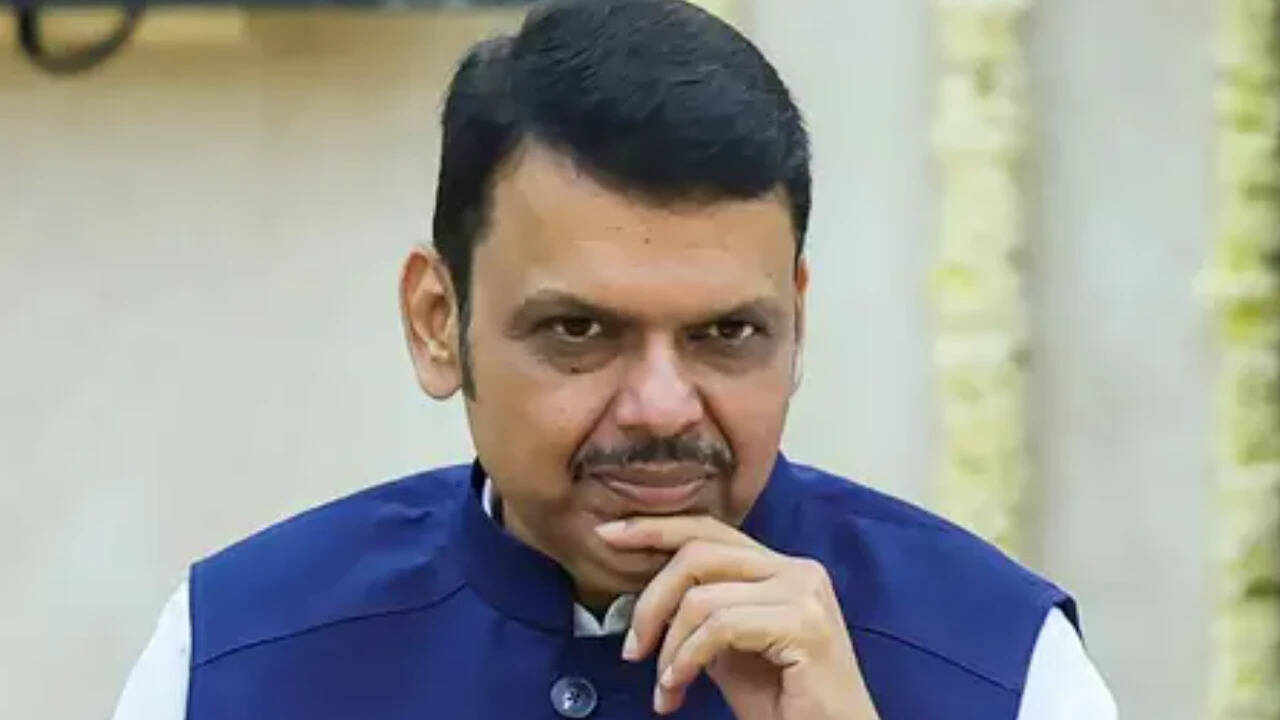
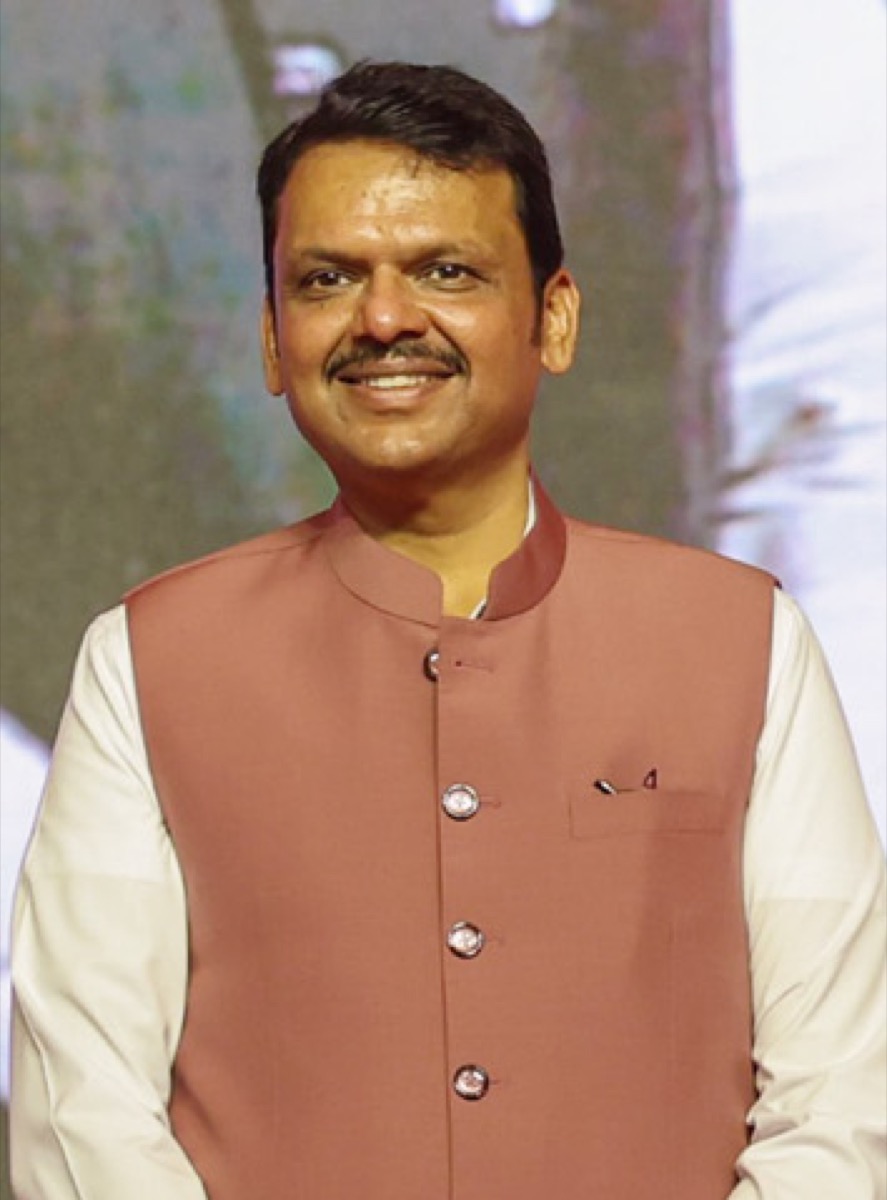
Maharashtra Chief Minister Devendra Fadnavis has been granted the legal power to override any decision made by his ministers, with the exception of quasi-judicial cases. This new rule is aimed at streamlining administrative work and departmental responsibilities within the state government.
The notification issued by the government clarifies the procedures for administrative work, including financial concurrence and legal vetting requirements for government actions. According to the new rule, the Chief Minister's decision will be final when interpreting any rule, giving him significant authority over the state's administrative decisions.
This move is seen as a way to ensure that the Chief Minister has the final say in important decisions, and to prevent any potential delays or disputes between ministers. The new rule also outlines the responsibilities of each department, ensuring that each minister is aware of their role and the procedures to be followed.
The Maharashtra government has been working to improve its administrative efficiency, and this new rule is a step in that direction. By giving the Chief Minister the power to override ministerial decisions, the government aims to ensure that decisions are made quickly and effectively, without any unnecessary delays.
The exception for quasi-judicial cases is significant, as it ensures that the Chief Minister's powers do not extend to cases that are already under judicial consideration. This will help to maintain the independence of the judiciary and prevent any potential conflicts of interest.
Overall, the new rule is a significant development in the Maharashtra government's efforts to improve its administrative efficiency. By giving the Chief Minister the power to override ministerial decisions, the government aims to ensure that decisions are made quickly and effectively, and that the state's administrative work is carried out smoothly.
The implications of this new rule are far-reaching, and it will be interesting to see how it plays out in practice. With the Chief Minister now having the final say in important decisions, it is likely that the state's administrative work will become more streamlined and efficient. However, it also raises questions about the potential for abuse of power, and the need for checks and balances to ensure that the Chief Minister's decisions are fair and reasonable.
In conclusion, the new rule granting the Chief Minister the power to override ministerial decisions is a significant development in the Maharashtra government's efforts to improve its administrative efficiency. While it has the potential to streamline decision-making and improve the state's administrative work, it also raises important questions about the potential for abuse of power and the need for checks and balances.
The Maharashtra government's decision to grant the Chief Minister this power is a reflection of its commitment to improving its administrative efficiency and ensuring that decisions are made quickly and effectively. As the state continues to evolve and grow, it is likely that this new rule will play an important role in shaping its administrative landscape.
What this means for Mumbai and the rest of Maharashtra is that the state's administrative work is likely to become more streamlined and efficient, with decisions being made quickly and effectively. This could have a positive impact on the state's economy and infrastructure, as well as its social and cultural development. However, it also raises important questions about the potential for abuse of power, and the need for checks and balances to ensure that the Chief Minister's decisions are fair and reasonable.
In the end, the success of this new rule will depend on how it is implemented and the checks and balances that are put in place to prevent abuse of power. If implemented effectively, it has the potential to improve the state's administrative efficiency and ensure that decisions are made quickly and effectively. However, if not implemented carefully, it could raise important questions about the potential for abuse of power and the need for greater transparency and accountability in the state's administrative decision-making process.
Frequently asked questions
What is the new rule about the Chief Minister's power?
The new rule allows the Chief Minister to override any decision made by his ministers, except in quasi-judicial cases.
What is the purpose of the new rule?
The purpose of the new rule is to streamline administrative work and departmental responsibilities within the state government, and to ensure that decisions are made quickly and effectively.