Railways Expands 7 High-Density Routes to 4 Tracks
India's railways to get a boost, 7 key routes to be expanded, handling more traffic
'%3E%3Crect%20width%3D'96'%20height%3D'96'%20fill%3D'%23B3261E'%2F%3E%3Ccircle%20cx%3D'30'%20cy%3D'24'%20r%3D'44'%20fill%3D'%23fff'%20opacity%3D'.12'%2F%3E%3Ccircle%20cx%3D'60'%20cy%3D'74'%20r%3D'40'%20fill%3D'%23000'%20opacity%3D'.10'%2F%3E%3C%2Fg%3E%3Cg%20fill%3D'%23fff'%3E%3Crect%20x%3D'29'%20y%3D'49'%20width%3D'8'%20height%3D'19'%20rx%3D'1'%2F%3E%3Crect%20x%3D'39'%20y%3D'40'%20width%3D'9'%20height%3D'28'%20rx%3D'1'%2F%3E%3Crect%20x%3D'50'%20y%3D'45'%20width%3D'8'%20height%3D'23'%20rx%3D'1'%2F%3E%3Crect%20x%3D'60'%20y%3D'53'%20width%3D'7'%20height%3D'15'%20rx%3D'1'%2F%3E%3Crect%20x%3D'41'%20y%3D'34'%20width%3D'5'%20height%3D'6'%2F%3E%3C%2Fg%3E%3C%2Fsvg%3E)

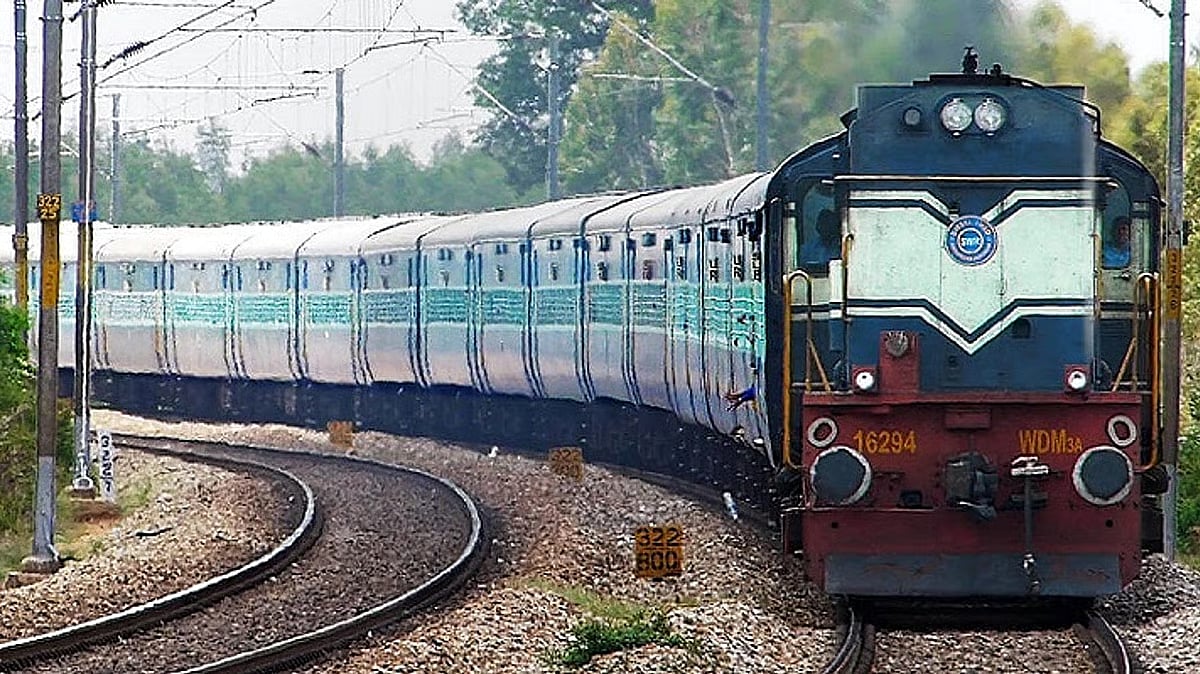
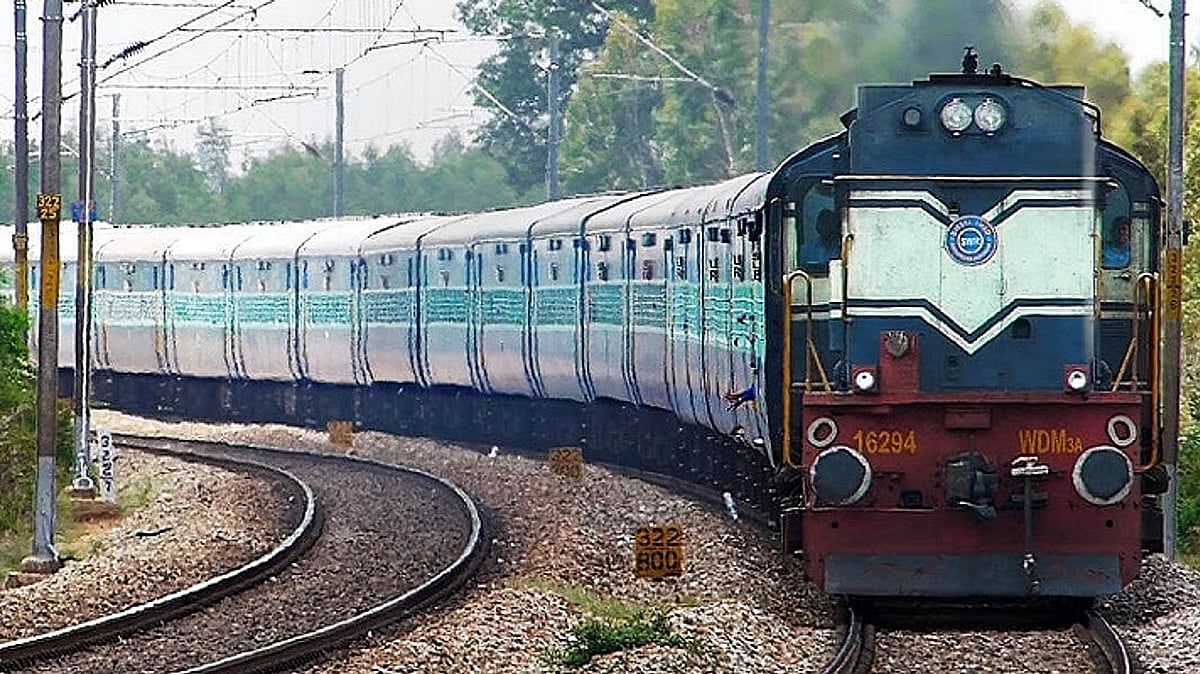
India's railway network is set to undergo a significant expansion, with seven high-density routes being upgraded to four tracks. This development, announced by Vaishnaw, aims to enhance the country's passenger and freight transportation capabilities. The expansion will cover approximately 11,000 km of railway lines, playing a crucial role in streamlining the movement of goods and people across the nation.
The decision to expand these routes is a response to the growing demand for efficient transportation in India. As the country's economy continues to grow, the need for reliable and swift movement of goods and people has become increasingly important. The expansion of these high-density routes will help to reduce congestion, increase the speed of trains, and provide a more comfortable journey for passengers.
The seven high-density routes that have been identified for expansion are critical to India's transportation network. These routes connect major cities, industrial hubs, and ports, facilitating the movement of goods and people. By upgrading these routes to four tracks, the railways will be able to handle a significant increase in traffic, reducing the pressure on existing infrastructure.
The expansion of these routes is also expected to have a positive impact on the economy. By improving the efficiency of the transportation network, businesses will be able to move goods more quickly and reliably, reducing costs and increasing productivity. This, in turn, is expected to boost economic growth and create new opportunities for trade and commerce.
The Indian Railways has been working to modernize its infrastructure in recent years, with a focus on improving safety, efficiency, and passenger comfort. The expansion of these high-density routes is a key part of this effort, and is expected to have a significant impact on the country's transportation network.
In terms of the benefits for passengers, the expansion of these routes will provide a more comfortable and convenient journey. With the increased capacity, trains will be able to run more frequently, reducing waiting times and making it easier for people to travel. Additionally, the improved infrastructure will enable trains to run at higher speeds, reducing journey times and making rail travel a more attractive option.
The expansion of India's high-density railway routes is a significant development that is expected to have far-reaching benefits for the country's transportation network and economy. As the project moves forward, it will be important to monitor progress and ensure that the expansion is completed efficiently and effectively.
In conclusion, the expansion of India's seven high-density railway routes to four tracks is a major boost to the country's transportation network. With the potential to increase efficiency, reduce congestion, and improve passenger comfort, this development is expected to have a significant impact on the country's economy and trade. As India continues to grow and develop, the importance of a reliable and efficient transportation network will only continue to increase, making this expansion a critical step forward.
Frequently asked questions
Which railway routes are being expanded to 4 tracks?
India's 7 high-density railway routes, covering about 11,000 km, are being expanded to 4 tracks.
Why is the expansion of railway routes necessary?
The expansion is necessary to handle more passenger and freight traffic across the country, reducing congestion and increasing efficiency.