MP High Court Grants Protection to 20-Year-Old Woman
Woman seeks protection from family, alleges harassment and exploitation. Court directs police to take action.
'%3E%3Crect%20width%3D'96'%20height%3D'96'%20fill%3D'%23B3261E'%2F%3E%3Ccircle%20cx%3D'30'%20cy%3D'24'%20r%3D'44'%20fill%3D'%23fff'%20opacity%3D'.12'%2F%3E%3Ccircle%20cx%3D'60'%20cy%3D'74'%20r%3D'40'%20fill%3D'%23000'%20opacity%3D'.10'%2F%3E%3C%2Fg%3E%3Cg%20fill%3D'%23fff'%3E%3Crect%20x%3D'29'%20y%3D'49'%20width%3D'8'%20height%3D'19'%20rx%3D'1'%2F%3E%3Crect%20x%3D'39'%20y%3D'40'%20width%3D'9'%20height%3D'28'%20rx%3D'1'%2F%3E%3Crect%20x%3D'50'%20y%3D'45'%20width%3D'8'%20height%3D'23'%20rx%3D'1'%2F%3E%3Crect%20x%3D'60'%20y%3D'53'%20width%3D'7'%20height%3D'15'%20rx%3D'1'%2F%3E%3Crect%20x%3D'41'%20y%3D'34'%20width%3D'5'%20height%3D'6'%2F%3E%3C%2Fg%3E%3C%2Fsvg%3E)
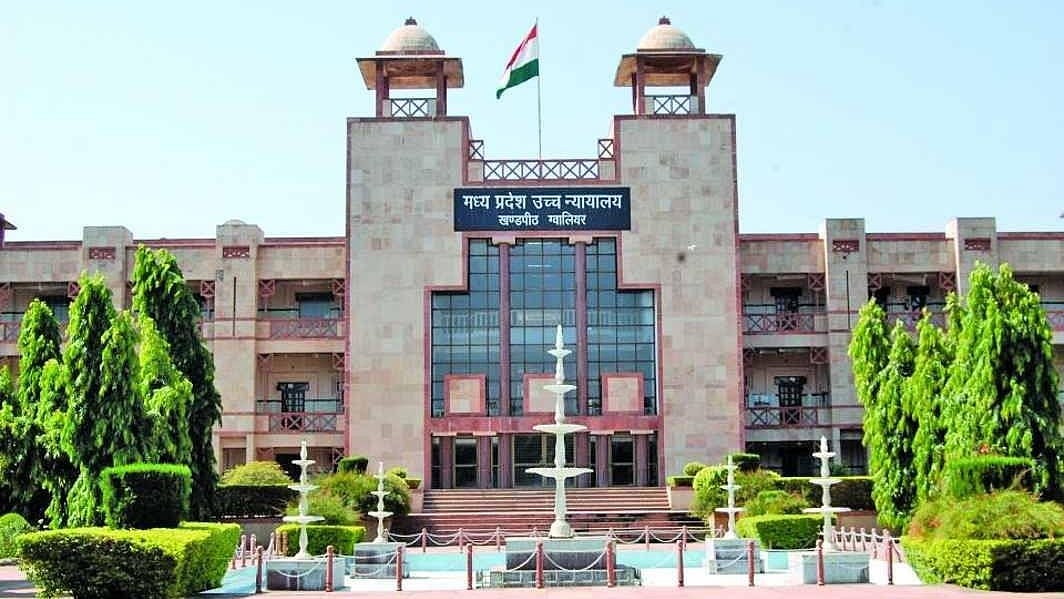
A 20-year-old woman from Ujjain has approached the Madhya Pradesh High Court seeking protection from her family members, who she alleges have been mentally and physically harassing her. The woman, currently residing in Indore, claims that her family is pressuring her to marry and is hindering her ability to pursue her studies and career.
The woman has made serious allegations against her family, including threats to her life and sexual exploitation by her father. She has requested the court to provide her with police protection, citing her right to personal liberty and dignity under Article 21 of the Constitution.
Justice Sandeep N Bhatt, who heard the woman's petition, observed that an adult woman cannot be harassed by her family simply because they disagree with her choices. The court noted that the woman's right to make her own decisions cannot be ignored and that she is entitled to police protection to prevent any harassment.
The High Court referred to the Supreme Court's judgment in Lata Singh vs State of Uttar Pradesh, which emphasizes the importance of an individual's right to make their own choices. The court directed the woman to approach the Ujjain Superintendent of Police and record her statement, including the names of those who have allegedly threatened her.
In the event of an emergency or if the woman is unable to approach the SP, she may contact the nearest police station. The court has instructed the police to take immediate action if they find that the woman's life is under threat, in accordance with the Supreme Court's directions in Shakti Vahini vs Union of India.
The woman had previously submitted complaints to the Ujjain and Indore SPs on August 12 and 13, respectively. The High Court has disposed of her petition and directed the Advocate General to communicate the order to the Ujjain SP, ensuring prompt compliance.
This case highlights the importance of protecting an individual's right to make their own choices and live their life with dignity. The court's decision serves as a reminder that no one, including family members, can harass or exploit an adult individual simply because they disagree with their decisions.
The Madhya Pradesh High Court's ruling is significant, as it emphasizes the need to protect women from harassment and exploitation, particularly in cases where they are seeking to pursue their education and career. The court's decision is a step towards ensuring that women are able to exercise their rights and live their lives without fear of harassment or intimidation.
In conclusion, the MP High Court's decision to grant protection to the 20-year-old woman is a significant step towards upholding her rights and ensuring her safety. The court's ruling serves as a reminder that every individual has the right to make their own choices and live their life with dignity, free from harassment and exploitation.
The case also underscores the importance of the judiciary in protecting the rights of individuals, particularly women, who are vulnerable to harassment and exploitation. The court's decision is a testament to the commitment of the Indian judiciary to upholding the rights of all citizens, regardless of their gender or background.
The woman's courage in approaching the court and seeking protection is commendable, and her case serves as an inspiration to others who may be facing similar challenges. The MP High Court's decision is a significant milestone in the ongoing efforts to protect women's rights and promote gender equality in India.
The court's ruling is also a reminder that the Indian Constitution guarantees the right to life and personal liberty, and that this right cannot be taken away by anyone, including family members. The decision is a significant step towards ensuring that women are able to exercise their rights and live their lives without fear of harassment or intimidation.
In the end, the MP High Court's decision to grant protection to the 20-year-old woman is a victory for women's rights and a testament to the commitment of the Indian judiciary to upholding the rights of all citizens. The case serves as a reminder that every individual has the right to make their own choices and live their life with dignity, free from harassment and exploitation.
Frequently asked questions
What is the main issue in this case?
A 20-year-old woman is seeking protection from her family, alleging mental and physical harassment, and exploitation.
What has the court decided in this case?
The court has granted the woman police protection, citing her right to personal liberty and dignity under Article 21 of the Constitution.