Tennessee Farmer Loses Land to National Park
Farmer refuses $20/acre, loses court battle.
'%3E%3Crect%20width%3D'96'%20height%3D'96'%20fill%3D'%23B3261E'%2F%3E%3Ccircle%20cx%3D'30'%20cy%3D'24'%20r%3D'44'%20fill%3D'%23fff'%20opacity%3D'.12'%2F%3E%3Ccircle%20cx%3D'60'%20cy%3D'74'%20r%3D'40'%20fill%3D'%23000'%20opacity%3D'.10'%2F%3E%3C%2Fg%3E%3Cg%20fill%3D'%23fff'%3E%3Crect%20x%3D'29'%20y%3D'49'%20width%3D'8'%20height%3D'19'%20rx%3D'1'%2F%3E%3Crect%20x%3D'39'%20y%3D'40'%20width%3D'9'%20height%3D'28'%20rx%3D'1'%2F%3E%3Crect%20x%3D'50'%20y%3D'45'%20width%3D'8'%20height%3D'23'%20rx%3D'1'%2F%3E%3Crect%20x%3D'60'%20y%3D'53'%20width%3D'7'%20height%3D'15'%20rx%3D'1'%2F%3E%3Crect%20x%3D'41'%20y%3D'34'%20width%3D'5'%20height%3D'6'%2F%3E%3C%2Fg%3E%3C%2Fsvg%3E)
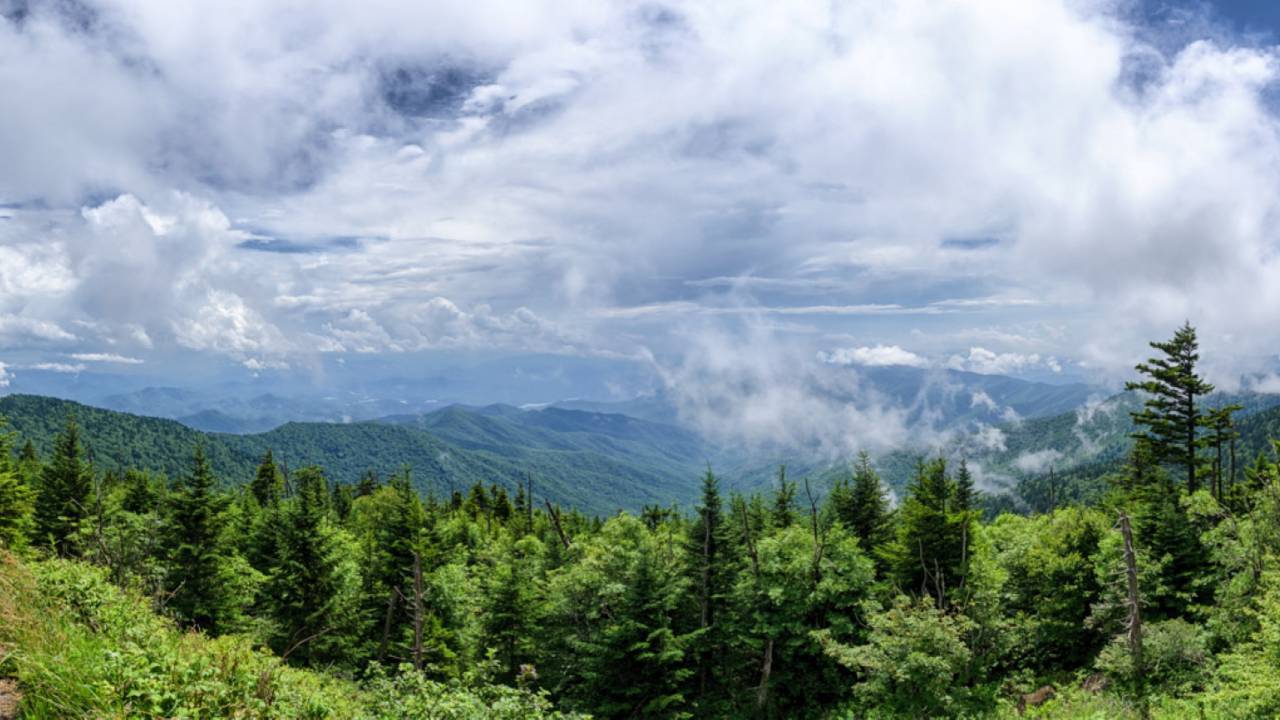
A Tennessee farmer, John W. Oliver, refused to sell his 375-acre farm in Cades Cove for $20 an acre in 1929. The land was wanted for the Great Smoky Mountains National Park.
The refusal led to a lengthy court battle between Oliver and the authorities. The case eventually reached the Tennessee Supreme Court, which ruled against the farmer.
Despite his initial refusal, Oliver ultimately lost his property. He received $17,000 in 1935 as compensation for his land.
The Great Smoky Mountains National Park is a prominent national park in the United States, known for its natural beauty and diverse wildlife. The park was established in 1934 and has since become a popular tourist destination.
The story of John W. Oliver's refusal to sell his land is a significant part of the park's history. It highlights the challenges faced by the authorities in acquiring land for the park.
The acquisition of land for national parks is often a complex process, involving negotiations with landowners and court battles. In this case, the authorities were able to acquire the land, but not without a lengthy and costly legal battle.
The Great Smoky Mountains National Park is now one of the most visited national parks in the United States, attracting millions of visitors each year. The park's natural beauty and diverse wildlife make it a unique and valuable resource.
The story of John W. Oliver's farm serves as a reminder of the importance of preserving natural areas for future generations. The establishment of the Great Smoky Mountains National Park has helped to protect the region's natural beauty and provide a habitat for diverse wildlife.
In conclusion, the refusal of John W. Oliver to sell his land for $20 an acre led to a significant court battle and ultimately resulted in the loss of his property. The story is an important part of the history of the Great Smoky Mountains National Park and highlights the challenges faced by authorities in acquiring land for national parks.
The establishment of the park has had a lasting impact on the region, providing a unique and valuable resource for visitors and helping to preserve the natural beauty of the area.
Frequently asked questions
What was the price offered to the farmer per acre?
The farmer was offered $20 per acre.
How much did the farmer ultimately receive for his land?
The farmer received $17,000 in 1935.