Monsoon Pauses, Rain Deficit Hits 18%
India's monsoon pauses, widening rain deficit. Uttarakhand, Himachal face severe weather impacts.
'%3E%3Crect%20width%3D'96'%20height%3D'96'%20fill%3D'%23B3261E'%2F%3E%3Ccircle%20cx%3D'30'%20cy%3D'24'%20r%3D'44'%20fill%3D'%23fff'%20opacity%3D'.12'%2F%3E%3Ccircle%20cx%3D'60'%20cy%3D'74'%20r%3D'40'%20fill%3D'%23000'%20opacity%3D'.10'%2F%3E%3C%2Fg%3E%3Cg%20fill%3D'%23fff'%3E%3Crect%20x%3D'29'%20y%3D'49'%20width%3D'8'%20height%3D'19'%20rx%3D'1'%2F%3E%3Crect%20x%3D'39'%20y%3D'40'%20width%3D'9'%20height%3D'28'%20rx%3D'1'%2F%3E%3Crect%20x%3D'50'%20y%3D'45'%20width%3D'8'%20height%3D'23'%20rx%3D'1'%2F%3E%3Crect%20x%3D'60'%20y%3D'53'%20width%3D'7'%20height%3D'15'%20rx%3D'1'%2F%3E%3Crect%20x%3D'41'%20y%3D'34'%20width%3D'5'%20height%3D'6'%2F%3E%3C%2Fg%3E%3C%2Fsvg%3E)
India's monsoon has come to a pause after over a week of intense rainfall, causing the country's overall seasonal rain deficit to widen to 18%. As of July 12, the nation recorded 219.4 mm of rainfall, which is significantly lower than the normal 266.9 mm.
The pause in monsoon activity has led to a widening of the rain deficit, which had earlier reduced from nearly 30% at the end of June to 14% by July 9. The India Meteorological Department (IMD) has issued a yellow alert for Uttarakhand until Thursday, July 16, due to severe weather impacts in the state.
Uttarakhand has been severely affected by landslides triggered by heavy rain, with 126 roads, including two national highways, blocked. Similarly, Himachal Pradesh has seen disrupted normal life due to ongoing rains, which have caused landslides, road blockages, damage to bridges, and uprooting of trees. The IMD has forecast widespread rainfall in Himachal Pradesh during July 17-18.
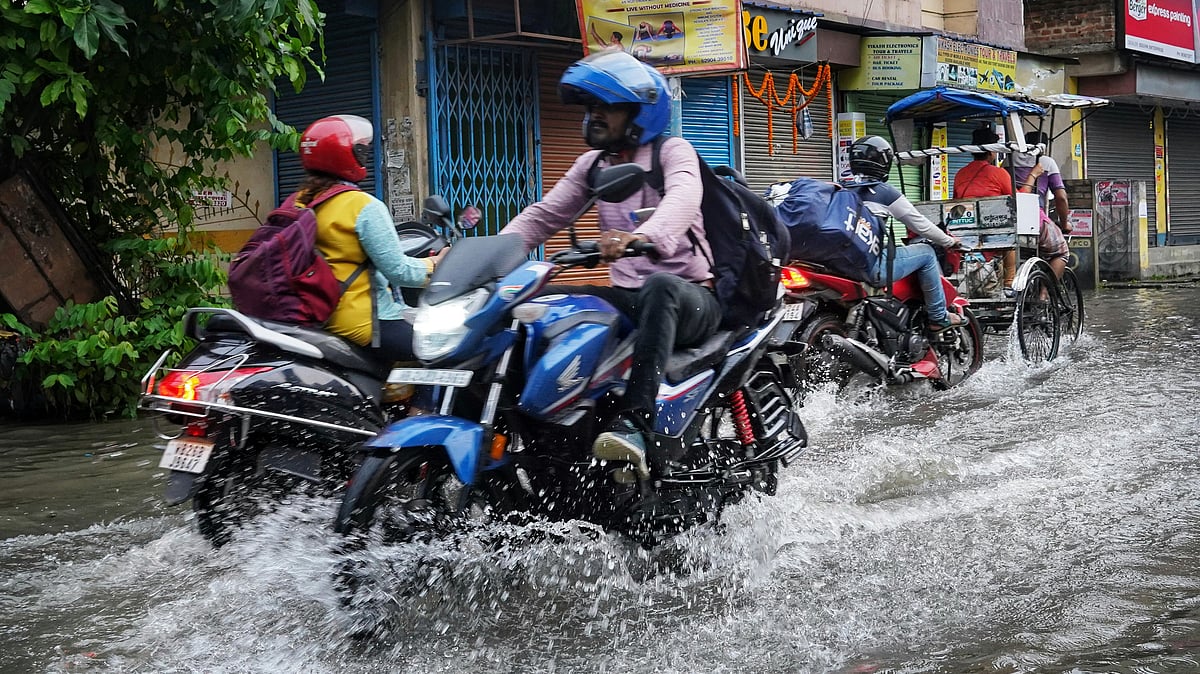
In Mumbai, the water stock has neared 50% as lake levels rise after monsoon showers. However, no rainfall has been recorded in the catchment areas in the last 24 hours. The IMD has warned of flash floods in Assam and Meghalaya, anticipating heavy rains on Monday.
West Bengal and Bihar are expected to experience heavy to very heavy rainfall over the next two to three days, while eastern Uttar Pradesh may witness isolated heavy showers in the coming four to five days. In the northwest, scattered rain is forecast for Delhi, Haryana, Punjab, Uttar Pradesh, and Rajasthan through the week, with isolated showers likely.
The southern peninsular regions are expected to remain mostly dry in the near term. The sudden halt in the monsoon after days of relentless rain underscores the uneven nature of this year's seasonal patterns, with certain states facing excessive precipitation and the risk of floods, while others experience a growing shortfall.
Authorities continue to monitor vulnerable areas, issue weather alerts, and prepare for potential localized flooding or landslides in affected regions. The IMD's guidance aims to alert citizens and local administrations to take precautionary measures, especially in mountainous and flood-prone areas, while also tracking the shifting dynamics of the ongoing southwest monsoon.
The monsoon's uneven pattern has significant implications for India's agriculture, economy, and daily life. The country's agricultural sector, which accounts for a significant portion of the GDP, is heavily reliant on the monsoon rains. A deficit in rainfall can lead to reduced crop yields, affecting the livelihoods of farmers and the overall economy.
In conclusion, the pause in India's monsoon has widened the rain deficit to 18%, with certain states facing severe weather impacts. Authorities are taking precautionary measures to mitigate the effects of potential flooding or landslides, and citizens are advised to stay alert and follow weather updates closely.
The situation highlights the importance of accurate weather forecasting and preparedness in mitigating the effects of extreme weather events. As the monsoon season continues, it is essential for authorities and citizens to remain vigilant and take necessary precautions to ensure public safety and minimize damage to infrastructure and property.
Overall, the monsoon's uneven pattern has significant implications for India, and it is crucial to closely monitor the situation and take proactive measures to address the challenges posed by the changing weather patterns.