Butterflies Remember Humans After Metamorphosis
Japanese student's experiment reveals butterflies can recall humans. Groundbreaking research shocks scientists.

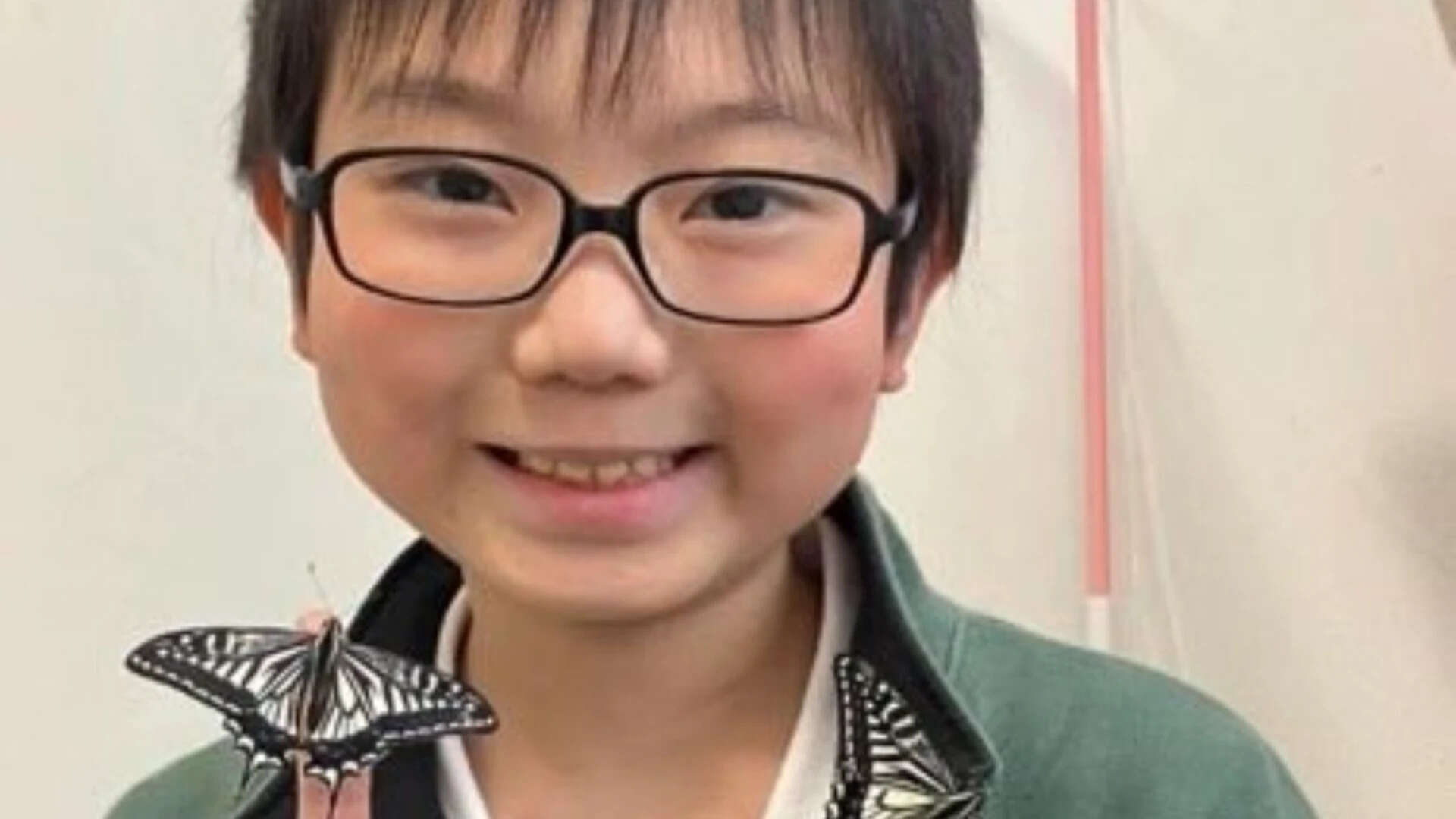
A remarkable discovery by a 10-year-old Japanese student, Jo Nagai, has suggested that butterflies may be able to remember humans even after undergoing metamorphosis. Nagai's experiment involved hand-raising swallowtail butterflies and training them to associate certain stimuli with humans.
The young researcher found that the butterflies were able to recall and recognize him even after they had transformed from caterpillars into fully formed butterflies. This was a surprising discovery, as it was previously thought that the caterpillar's complete body transformation during metamorphosis would erase any memories it had formed.
Nagai's experiment also showed that the butterflies were able to pass on their learned avoidance of humans to their offspring and even their grandchildren. This suggests that the butterflies may have a more complex system of memory and learning than was previously thought.
The discovery was presented at an international congress and has shocked the scientific community. The idea that butterflies may be able to remember humans and pass on this knowledge to future generations has significant implications for our understanding of these insects and their behavior.
Butterflies have long been a source of fascination for scientists and researchers, who have studied their behavior, migration patterns, and social interactions. However, this new discovery suggests that there may be even more to these insects than was previously thought.
The study of butterfly behavior and memory is an important area of research, as it can provide insights into the complex social interactions and behaviors of these insects. By studying how butterflies learn and remember, scientists can gain a better understanding of how they interact with their environment and with other animals.
Nagai's discovery is also a testament to the importance of encouraging young people to pursue careers in science and research. The fact that a 10-year-old student was able to make such a significant discovery highlights the potential for young people to make a real impact in the scientific community.
In conclusion, the discovery that butterflies may be able to remember humans after metamorphosis is a groundbreaking finding that has significant implications for our understanding of these insects. Further research is needed to fully understand the complexities of butterfly memory and behavior, but this discovery is an exciting step forward in our understanding of these fascinating creatures.
The implications of this research are far-reaching and could potentially lead to new insights into the behavior and ecology of butterflies. As scientists continue to study these insects, they may uncover even more surprising facts about their behavior and biology. For now, Nagai's discovery remains an exciting and intriguing finding that is sure to capture the imagination of scientists and non-scientists alike.
This discovery is a reminder that there is still much to be learned about the natural world and that even the most unexpected creatures can hold surprises and secrets. As we continue to explore and study the world around us, we may uncover even more remarkable discoveries that challenge our understanding of the world and its many wonders.