SC Hears PIL for Alternative Protest Site to Jantar Mantar
Jantar Mantar's suitability as a protest venue is questioned. SC considers alternatives.
'%3E%3Crect%20width%3D'96'%20height%3D'96'%20fill%3D'%231A5276'%2F%3E%3Ccircle%20cx%3D'30'%20cy%3D'24'%20r%3D'44'%20fill%3D'%23fff'%20opacity%3D'.12'%2F%3E%3Ccircle%20cx%3D'60'%20cy%3D'74'%20r%3D'40'%20fill%3D'%23000'%20opacity%3D'.10'%2F%3E%3C%2Fg%3E%3Cg%20fill%3D'%23fff'%3E%3Cpath%20d%3D'M31%2041%20L48%2031%20L65%2041%20Z'%2F%3E%3Crect%20x%3D'33'%20y%3D'43'%20width%3D'4'%20height%3D'17'%2F%3E%3Crect%20x%3D'41'%20y%3D'43'%20width%3D'4'%20height%3D'17'%2F%3E%3Crect%20x%3D'51'%20y%3D'43'%20width%3D'4'%20height%3D'17'%2F%3E%3Crect%20x%3D'59'%20y%3D'43'%20width%3D'4'%20height%3D'17'%2F%3E%3Crect%20x%3D'30'%20y%3D'62'%20width%3D'36'%20height%3D'4'%20rx%3D'1'%2F%3E%3C%2Fg%3E%3C%2Fsvg%3E)
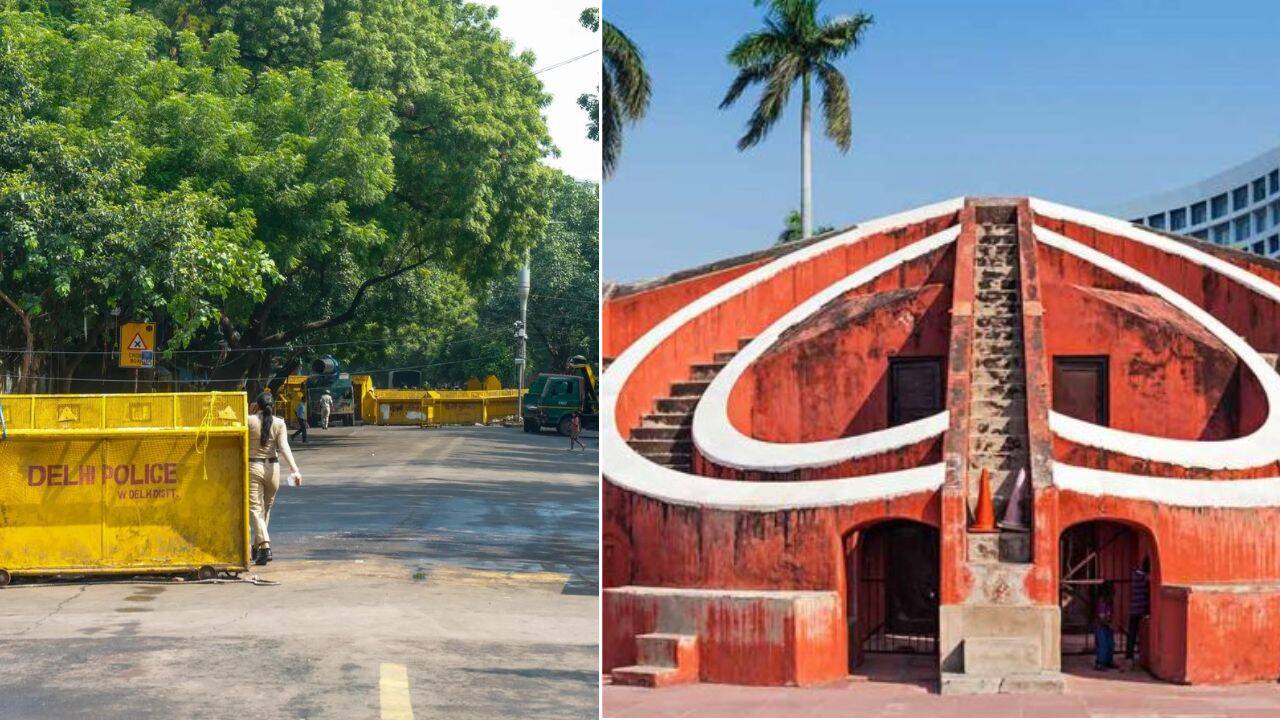
The Supreme Court of India is currently hearing a Public Interest Litigation (PIL) that seeks an alternative site for protests in the national capital, potentially replacing Jantar Mantar as the go-to venue for demonstrations.
The PIL, which was filed recently, argues that Jantar Mantar is no longer an ideal location for protests due to various reasons. The court's consideration of this petition marks a significant development in the ongoing debate about the suitability of Jantar Mantar as a protest venue.
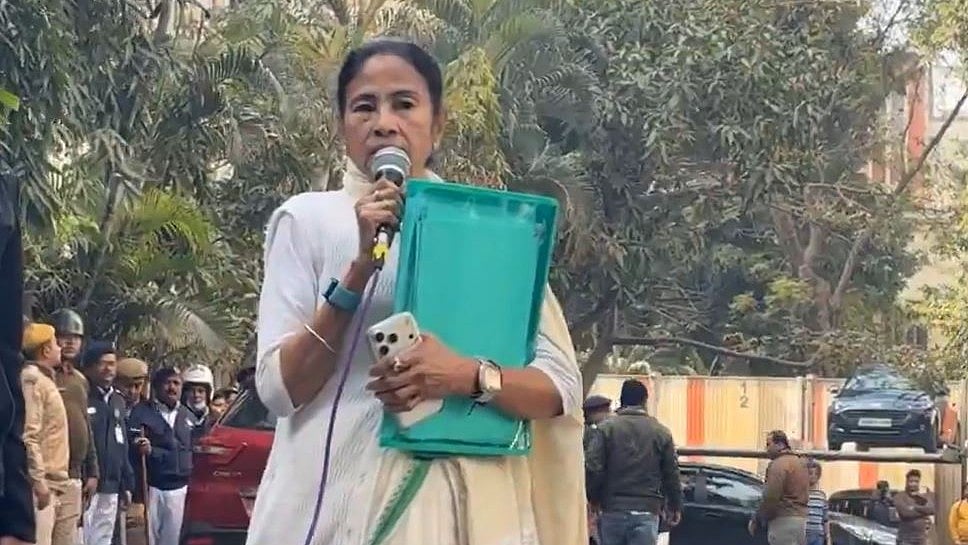
Jantar Mantar has been a prominent site for protests and demonstrations in Delhi for many years, with various groups and individuals gathering there to express their grievances and demands. However, the area has also faced criticism for the disruptions caused by protests, including traffic congestion and noise pollution.
The PIL suggests that an alternative site be designated for protests, which would help minimize the impact on the surrounding area and ensure that the rights of protesters are balanced with the rights of other citizens. The court's decision on this matter is likely to have significant implications for the way protests are organized and managed in the national capital.
The use of Jantar Mantar as a protest venue has been a subject of controversy in the past, with some arguing that it is an essential space for democratic expression and others claiming that it is a source of disturbance and disruption. The Supreme Court's consideration of the PIL provides an opportunity for a nuanced discussion about the role of protest venues in a democratic society.
In recent years, there have been several instances of protests at Jantar Mantar, including demonstrations against government policies, social injustices, and environmental issues. The site has also been used by various groups to raise awareness about their causes and to mobilize public support.
As the Supreme Court hears the PIL, it is likely to consider a range of factors, including the importance of free speech and assembly, the need to maintain public order, and the impact of protests on the surrounding community. The court's decision will be closely watched by civil society groups, protesters, and citizens, as it will have significant implications for the way protests are organized and managed in the national capital.
The PIL has sparked a debate about the need for designated protest venues in cities, where citizens can express their grievances without causing disruptions to the surrounding area. As the Supreme Court considers the petition, it is likely to weigh the competing interests of protesters, citizens, and the government, and to provide a nuanced judgment that balances the rights of all stakeholders.
In conclusion, the Supreme Court's consideration of the PIL seeking an alternative protest site to Jantar Mantar marks a significant development in the ongoing debate about the suitability of protest venues in the national capital. The court's decision will have significant implications for the way protests are organized and managed, and will be closely watched by civil society groups, protesters, and citizens.
Frequently asked questions
Why is Jantar Mantar's suitability as a protest venue being questioned?
Jantar Mantar's suitability is being questioned due to disruptions caused by protests, including traffic congestion and noise pollution.
What is the Supreme Court considering in the PIL?
The Supreme Court is considering the need for an alternative protest site to Jantar Mantar, which would help minimize the impact on the surrounding area and ensure that the rights of protesters are balanced with the rights of other citizens.