Fishing Alters Pearly Razorfish at Molecular Level
Pearly razorfish change sex, fishing impacts them. Study reveals molecular changes.
'%3E%3Crect%20width%3D'96'%20height%3D'96'%20fill%3D'%23B3261E'%2F%3E%3Ccircle%20cx%3D'30'%20cy%3D'24'%20r%3D'44'%20fill%3D'%23fff'%20opacity%3D'.12'%2F%3E%3Ccircle%20cx%3D'60'%20cy%3D'74'%20r%3D'40'%20fill%3D'%23000'%20opacity%3D'.10'%2F%3E%3C%2Fg%3E%3Cg%20fill%3D'%23fff'%3E%3Crect%20x%3D'29'%20y%3D'49'%20width%3D'8'%20height%3D'19'%20rx%3D'1'%2F%3E%3Crect%20x%3D'39'%20y%3D'40'%20width%3D'9'%20height%3D'28'%20rx%3D'1'%2F%3E%3Crect%20x%3D'50'%20y%3D'45'%20width%3D'8'%20height%3D'23'%20rx%3D'1'%2F%3E%3Crect%20x%3D'60'%20y%3D'53'%20width%3D'7'%20height%3D'15'%20rx%3D'1'%2F%3E%3Crect%20x%3D'41'%20y%3D'34'%20width%3D'5'%20height%3D'6'%2F%3E%3C%2Fg%3E%3C%2Fsvg%3E)
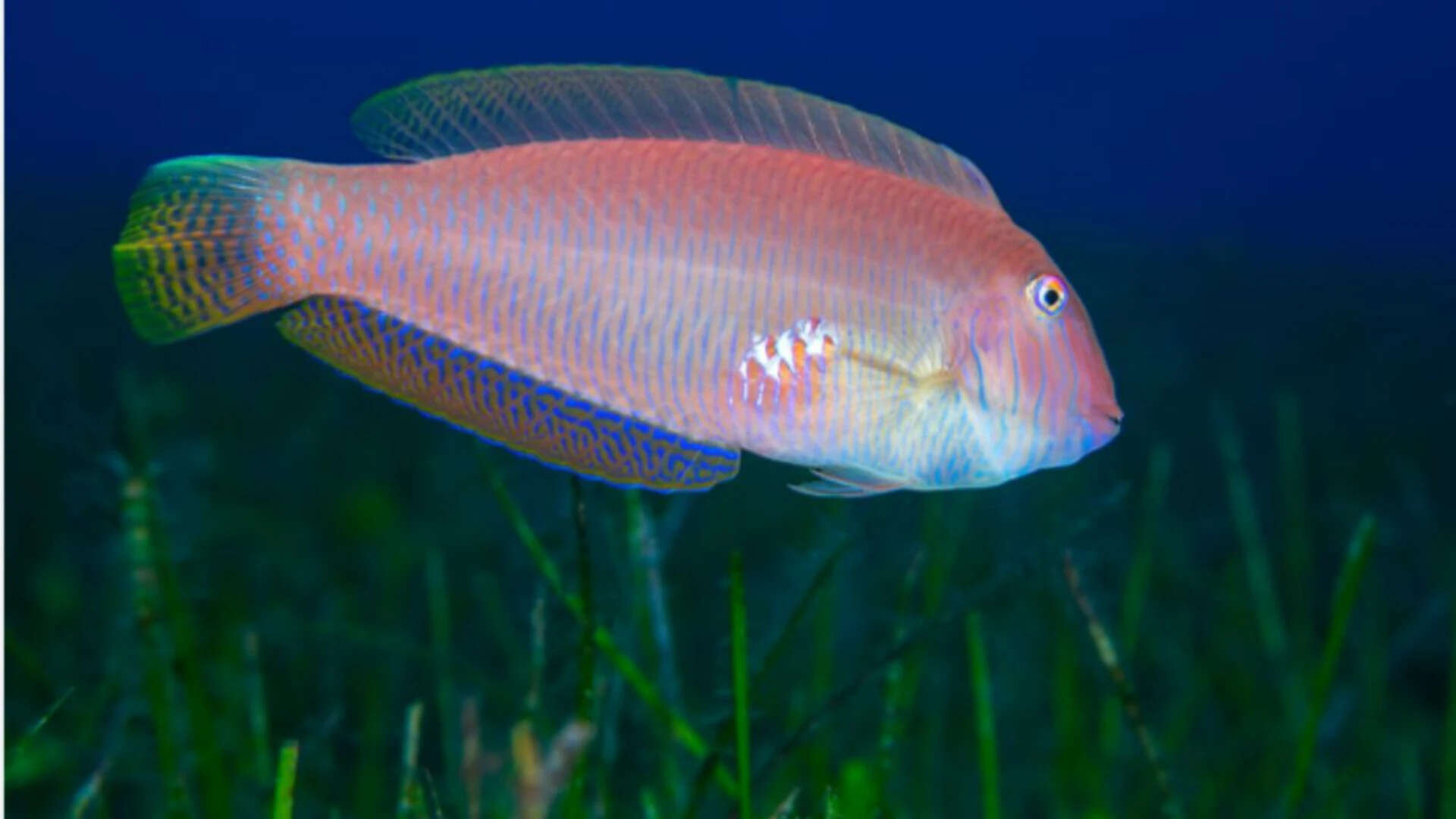
A recent study has discovered that heavy fishing is causing molecular changes in pearly razorfish. These fish, which are born female and later become male, are being impacted by fishing at a fundamental level.
The researchers found that while there were no significant changes in the fish's DNA, there were differences in DNA methylation. This epigenetic process affects how genes work and can have a significant impact on the fish's development and behavior.
The study also examined the impact of marine reserves on pearly razorfish. It found that these reserves help preserve larger, older fish and maintain higher genetic diversity. This is important for the long-term health of the species, as genetic diversity allows populations to adapt to changing environments.
Pearly razorfish are a fascinating species, with their ability to change sex from female to male. This process, known as sequential hermaphroditism, is not unique to pearly razorfish, but it is an interesting aspect of their biology.
The study's findings have significant implications for the management of pearly razorfish populations. It suggests that heavy fishing can have unintended consequences, not just for the fish themselves, but also for the ecosystem as a whole.
Marine reserves have been shown to be an effective way to protect marine species and preserve genetic diversity. By setting aside areas where fishing is not allowed, these reserves can help maintain healthy populations of fish and other marine animals.
The impact of fishing on pearly razorfish is just one example of the ways in which human activities can affect marine ecosystems. As the world's oceans face increasing pressure from human activities, it is essential to understand the impacts of these activities and to take steps to mitigate them.
In conclusion, the study's findings highlight the need for sustainable fishing practices and the importance of preserving genetic diversity in marine species. By taking a more holistic approach to managing marine ecosystems, we can help ensure the long-term health of these ecosystems and the species that depend on them.
The study's results are a reminder that even small changes can have significant impacts on marine ecosystems. As we continue to learn more about the complex relationships between species and their environments, we can work towards creating more effective conservation strategies.
Overall, the study provides valuable insights into the impact of fishing on pearly razorfish and highlights the importance of preserving genetic diversity in marine species. It also underscores the need for continued research into the complex relationships between human activities and marine ecosystems.
The findings of this study have significant implications for the conservation of pearly razorfish and other marine species. By understanding the impacts of human activities on these species, we can work towards creating more effective conservation strategies and preserving the health of marine ecosystems.
In the end, the study's results emphasize the importance of responsible fishing practices and the need to protect marine reserves. These reserves are essential for preserving genetic diversity and maintaining healthy populations of fish and other marine animals.
Frequently asked questions
What is happening to pearly razorfish due to fishing?
Fishing is causing molecular changes in pearly razorfish, affecting their development and behavior.
How do marine reserves help pearly razorfish?
Marine reserves help preserve larger, older fish and maintain higher genetic diversity, which is essential for the long-term health of the species.