Maharashtra Allows Ayurveda Practitioners to Prescribe Allopathy Meds
Ayurveda practitioners can prescribe allopathy meds, thanks to a 30-year-old curriculum tweak.
'%3E%3Crect%20width%3D'96'%20height%3D'96'%20fill%3D'%23B3261E'%2F%3E%3Ccircle%20cx%3D'30'%20cy%3D'24'%20r%3D'44'%20fill%3D'%23fff'%20opacity%3D'.12'%2F%3E%3Ccircle%20cx%3D'60'%20cy%3D'74'%20r%3D'40'%20fill%3D'%23000'%20opacity%3D'.10'%2F%3E%3C%2Fg%3E%3Cg%20fill%3D'%23fff'%3E%3Crect%20x%3D'29'%20y%3D'49'%20width%3D'8'%20height%3D'19'%20rx%3D'1'%2F%3E%3Crect%20x%3D'39'%20y%3D'40'%20width%3D'9'%20height%3D'28'%20rx%3D'1'%2F%3E%3Crect%20x%3D'50'%20y%3D'45'%20width%3D'8'%20height%3D'23'%20rx%3D'1'%2F%3E%3Crect%20x%3D'60'%20y%3D'53'%20width%3D'7'%20height%3D'15'%20rx%3D'1'%2F%3E%3Crect%20x%3D'41'%20y%3D'34'%20width%3D'5'%20height%3D'6'%2F%3E%3C%2Fg%3E%3C%2Fsvg%3E)
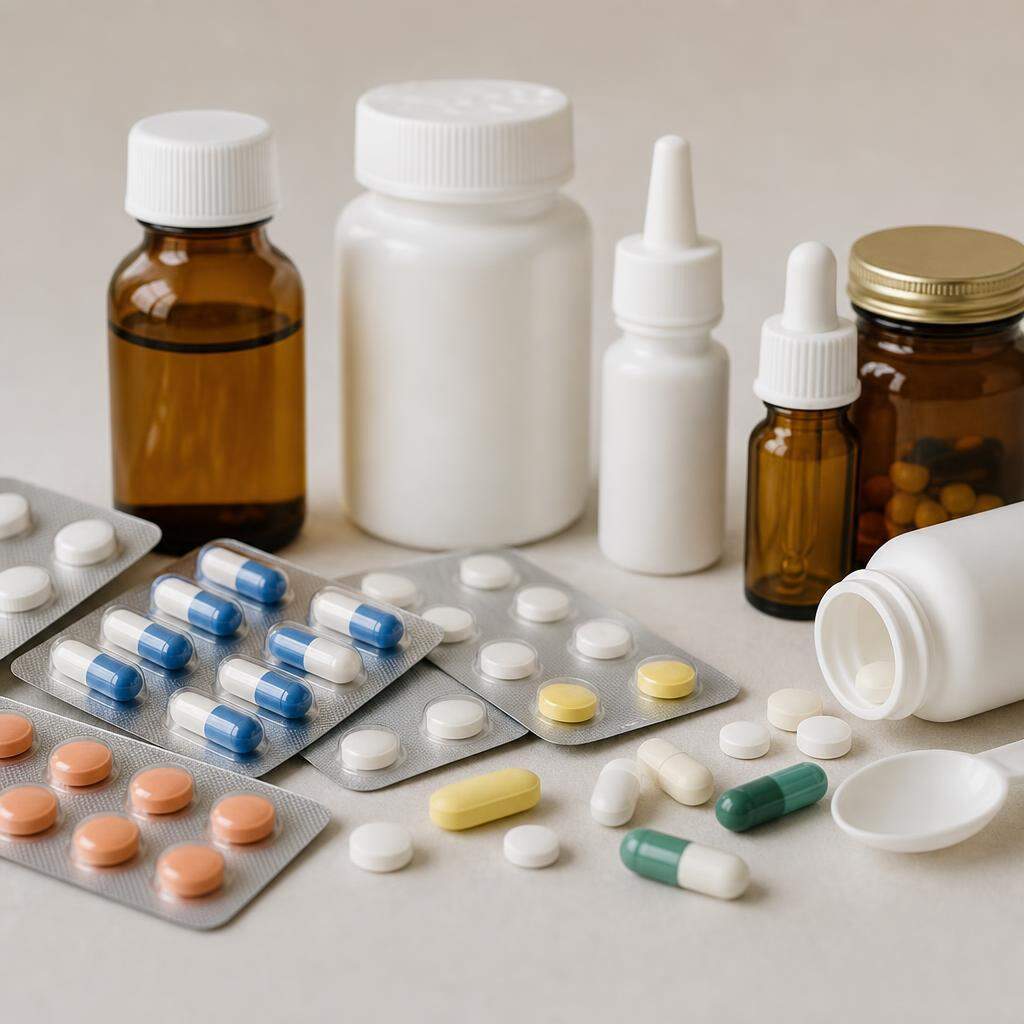
A significant change in the curriculum of ayurveda courses in Maharashtra 30 years ago has enabled practitioners of traditional Indian medicine to prescribe allopathy medicines.
This development has been crucial in enhancing the scope of ayurveda practitioners in the state. The modification, which was introduced several decades ago, has played a pivotal role in shaping the healthcare landscape of Maharashtra.
The decision to incorporate allopathy into the ayurveda curriculum was made with the intention of providing more comprehensive healthcare services to patients. By doing so, ayurveda practitioners have been able to offer a broader range of treatment options, combining the benefits of traditional Indian medicine with those of modern allopathy.
The integration of allopathy into ayurveda education has been well-received by practitioners and patients alike. It has not only expanded the capabilities of ayurveda practitioners but also increased the accessibility of healthcare services in Maharashtra.
Maharashtra has been at the forefront of promoting traditional Indian systems of medicine, including ayurveda. The state has a long history of supporting and regulating the practice of ayurveda, ensuring that it is practiced in a safe and effective manner.
The curriculum tweak has had a lasting impact on the healthcare sector in Maharashtra. It has paved the way for the development of more holistic and integrated approaches to healthcare, where traditional and modern systems of medicine coexist and complement each other.
In recent years, there has been a growing recognition of the importance of traditional Indian systems of medicine, including ayurveda. The government has launched several initiatives to promote and support the development of these systems, including the establishment of research institutions and training programs.
The ability of ayurveda practitioners to prescribe allopathy medicines has been a significant factor in the growth and development of the healthcare sector in Maharashtra. It has enabled the state to provide more comprehensive and integrated healthcare services, catering to the diverse needs of its population.
The success of this initiative has far-reaching implications for the healthcare sector in India. It highlights the potential benefits of integrating traditional and modern systems of medicine, and demonstrates the importance of promoting and supporting the development of traditional Indian systems of medicine.
In conclusion, the curriculum tweak 30 years ago has had a profound impact on the healthcare landscape of Maharashtra. It has enabled ayurveda practitioners to prescribe allopathy medicines, providing more comprehensive and integrated healthcare services to patients. This development has been crucial in shaping the state's healthcare sector and has paved the way for the growth and development of traditional Indian systems of medicine.
Frequently asked questions
Can ayurveda practitioners prescribe allopathy medicines in Maharashtra?
Yes, ayurveda practitioners can prescribe allopathy medicines in Maharashtra, thanks to a curriculum tweak made 30 years ago.
What was the intention behind incorporating allopathy into the ayurveda curriculum?
The intention was to provide more comprehensive healthcare services to patients by combining traditional Indian medicine with modern allopathy.