Typhoon Bavi Kills 15 in Philippines
Typhoon Bavi causes landslides, evacuations and transport disruptions. Philippines and Taiwan affected.

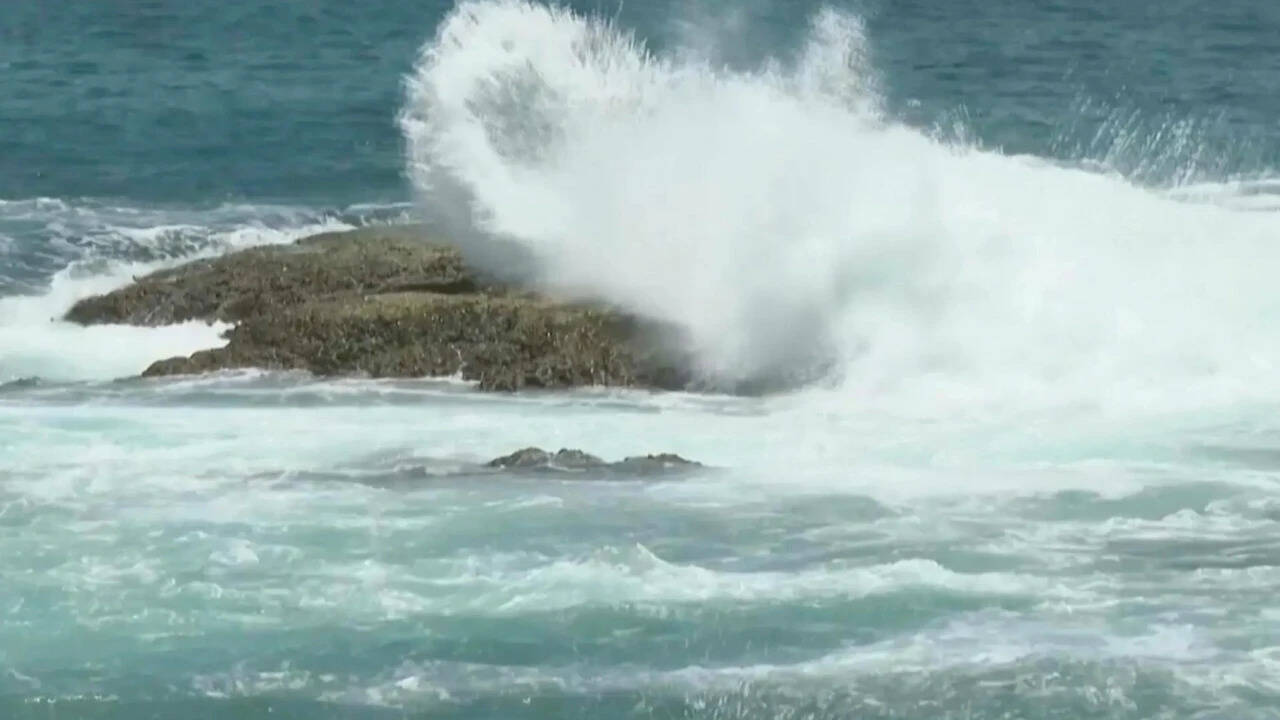
A devastating typhoon has struck the Philippines, resulting in the loss of at least 15 lives due to landslides. Typhoon Bavi brought severe weather conditions, prompting significant evacuations and disrupting transportation services.
The typhoon's approach led to widespread disruptions, with many schools and businesses forced to close in Taiwan as the country braced for severe flooding and landslides.
The Philippines has been severely affected by the typhoon, with the landslides causing the most damage. The country's geography, with its mountainous regions, makes it prone to such disasters.
Typhoon Bavi, although weakening, is still expected to have a significant impact on northern and eastern Taiwan. After affecting these regions, the typhoon is forecasted to head towards eastern China.
Japan is also expected to be affected by the typhoon, although the extent of the damage is still unclear. The typhoon's trajectory has been closely monitored by weather agencies, who have issued warnings and advisories to affected areas.
The Philippines and Taiwan have taken measures to mitigate the effects of the typhoon, including evacuations and closures of schools and businesses. However, the typhoon's impact is still being felt, with many areas experiencing severe weather conditions.
In recent years, the Philippines has been hit by several devastating typhoons, resulting in significant loss of life and property. The country's location in a region prone to typhoons makes it vulnerable to such disasters.
The impact of Typhoon Bavi serves as a reminder of the importance of disaster preparedness and mitigation measures. As the typhoon continues to affect regions in Asia, the international community is closely monitoring the situation and offering support to affected areas.
The severity of the typhoon's impact highlights the need for countries to work together to address the challenges posed by natural disasters. By sharing knowledge, resources, and expertise, countries can reduce the risk of such disasters and minimize their impact on communities.