Japan Restores Abandoned Rice Fields Into Wetlands
Japan's Aso region sees community-led project to restore abandoned rice fields. Wetlands to support biodiversity and refill groundwater.
'%3E%3Crect%20width%3D'96'%20height%3D'96'%20fill%3D'%23B3261E'%2F%3E%3Ccircle%20cx%3D'30'%20cy%3D'24'%20r%3D'44'%20fill%3D'%23fff'%20opacity%3D'.12'%2F%3E%3Ccircle%20cx%3D'60'%20cy%3D'74'%20r%3D'40'%20fill%3D'%23000'%20opacity%3D'.10'%2F%3E%3C%2Fg%3E%3Cg%20fill%3D'%23fff'%3E%3Crect%20x%3D'29'%20y%3D'49'%20width%3D'8'%20height%3D'19'%20rx%3D'1'%2F%3E%3Crect%20x%3D'39'%20y%3D'40'%20width%3D'9'%20height%3D'28'%20rx%3D'1'%2F%3E%3Crect%20x%3D'50'%20y%3D'45'%20width%3D'8'%20height%3D'23'%20rx%3D'1'%2F%3E%3Crect%20x%3D'60'%20y%3D'53'%20width%3D'7'%20height%3D'15'%20rx%3D'1'%2F%3E%3Crect%20x%3D'41'%20y%3D'34'%20width%3D'5'%20height%3D'6'%2F%3E%3C%2Fg%3E%3C%2Fsvg%3E)
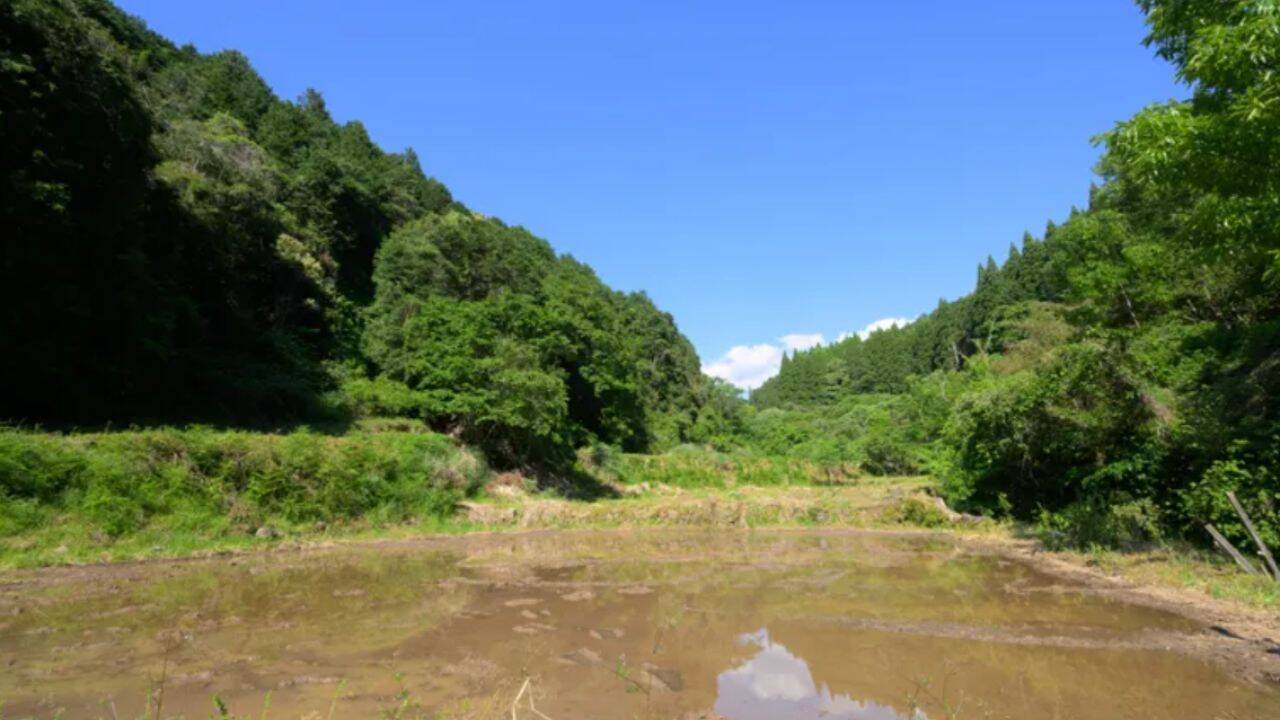
In a unique initiative, abandoned rice fields in Japan's Aso region are being transformed into permanent wetlands. This community-led project aims to restore the region's ecosystem by providing a safe habitat for various freshwater wildlife, including frogs and dragonflies.
The project brings together local residents and researchers, demonstrating the potential of unused farmland to support biodiversity. By restoring these wetlands, the community hopes to refill groundwater and ensure a sustainable water supply for the future.
The Aso region, known for its fertile soil and abundant water resources, has seen a decline in rice cultivation in recent years. Many rice fields have been left abandoned, leading to a decrease in groundwater levels and a loss of biodiversity. The restoration project seeks to address these issues by converting the abandoned fields into thriving wetlands.
Local residents are working closely with researchers to design and implement the restoration plan. The project involves the creation of permanent wetlands, which will provide a habitat for various species of plants and animals. The wetlands will also help to recharge groundwater, reducing the risk of droughts and water shortages.
The community-led approach has been instrumental in the project's success. Local residents have been actively involved in the restoration process, from designing the wetlands to planting native species. This approach has not only helped to build a sense of community but also ensured that the project is tailored to the region's specific needs.
The restoration of abandoned rice fields into wetlands is a significant step towards promoting biodiversity and sustainable water management. The project serves as a model for other regions, demonstrating the potential of community-led initiatives to drive positive change.
The Aso region's wetland restoration project has far-reaching implications for the environment and local communities. By providing a safe habitat for wildlife and replenishing groundwater, the project is helping to ensure a sustainable future for the region.
In conclusion, the restoration of abandoned rice fields into wetlands in Japan's Aso region is a groundbreaking initiative that highlights the importance of community-led conservation efforts. The project's success demonstrates the potential for unused farmland to support biodiversity and promote sustainable water management, serving as a model for other regions to follow.
The initiative also underscores the need for sustainable water management practices, particularly in regions where groundwater levels are declining. By adopting a community-led approach, the Aso region is taking a significant step towards ensuring a sustainable water supply for future generations.
As the world grapples with the challenges of climate change, biodiversity loss, and water scarcity, the Aso region's wetland restoration project offers a beacon of hope. The project's success demonstrates that, with collective effort and community-led initiatives, it is possible to restore degraded ecosystems and promote sustainable development.
The restoration of abandoned rice fields into wetlands is a significant achievement, and its impact will be felt for generations to come. The project's success serves as a reminder of the importance of preserving our natural resources and promoting sustainable practices to ensure a healthy and thriving environment for all.