Maharashtra Deputy CM Eknath Shinde Stresses Cleanliness, Quality Healthcare
Eknath Shinde directs Health Dept to maintain cleanliness, food quality and medicine standards
'%3E%3Crect%20width%3D'96'%20height%3D'96'%20fill%3D'%23B3261E'%2F%3E%3Ccircle%20cx%3D'30'%20cy%3D'24'%20r%3D'44'%20fill%3D'%23fff'%20opacity%3D'.12'%2F%3E%3Ccircle%20cx%3D'60'%20cy%3D'74'%20r%3D'40'%20fill%3D'%23000'%20opacity%3D'.10'%2F%3E%3C%2Fg%3E%3Cg%20fill%3D'%23fff'%3E%3Crect%20x%3D'29'%20y%3D'49'%20width%3D'8'%20height%3D'19'%20rx%3D'1'%2F%3E%3Crect%20x%3D'39'%20y%3D'40'%20width%3D'9'%20height%3D'28'%20rx%3D'1'%2F%3E%3Crect%20x%3D'50'%20y%3D'45'%20width%3D'8'%20height%3D'23'%20rx%3D'1'%2F%3E%3Crect%20x%3D'60'%20y%3D'53'%20width%3D'7'%20height%3D'15'%20rx%3D'1'%2F%3E%3Crect%20x%3D'41'%20y%3D'34'%20width%3D'5'%20height%3D'6'%2F%3E%3C%2Fg%3E%3C%2Fsvg%3E)
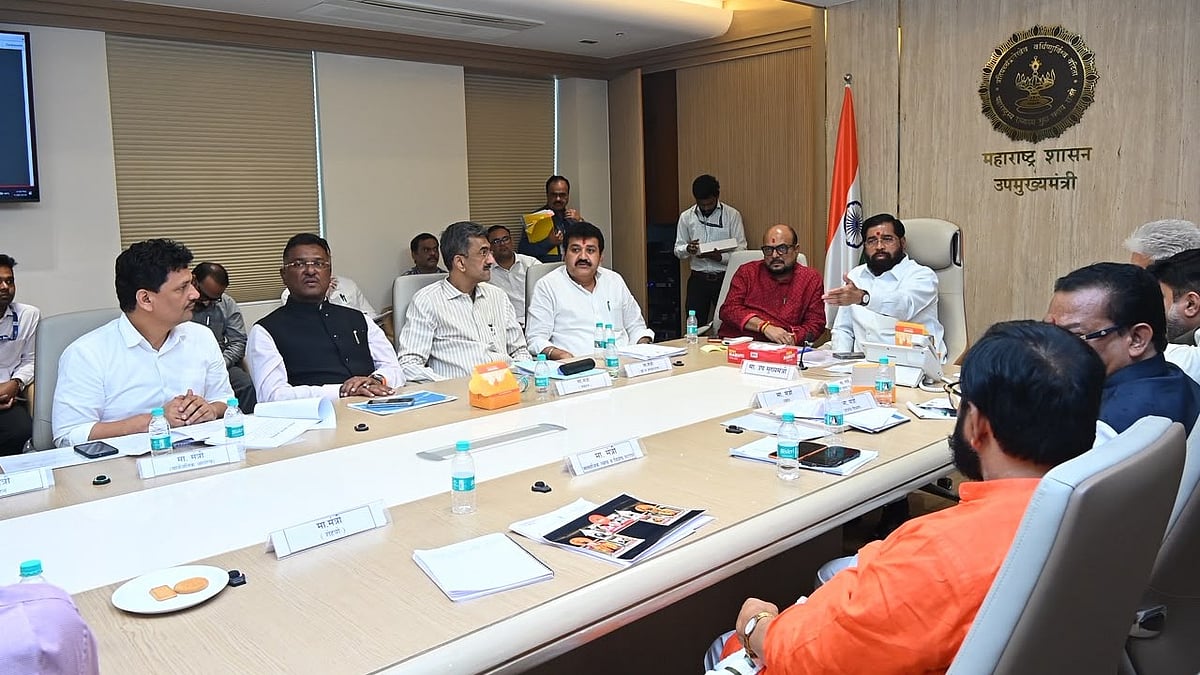
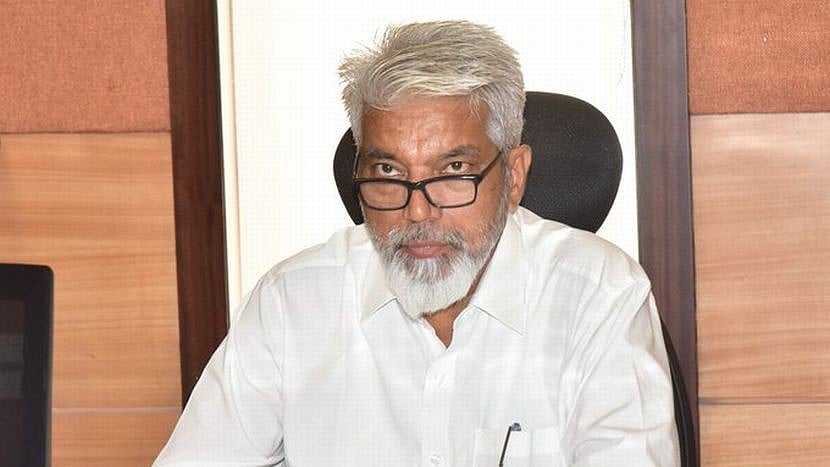
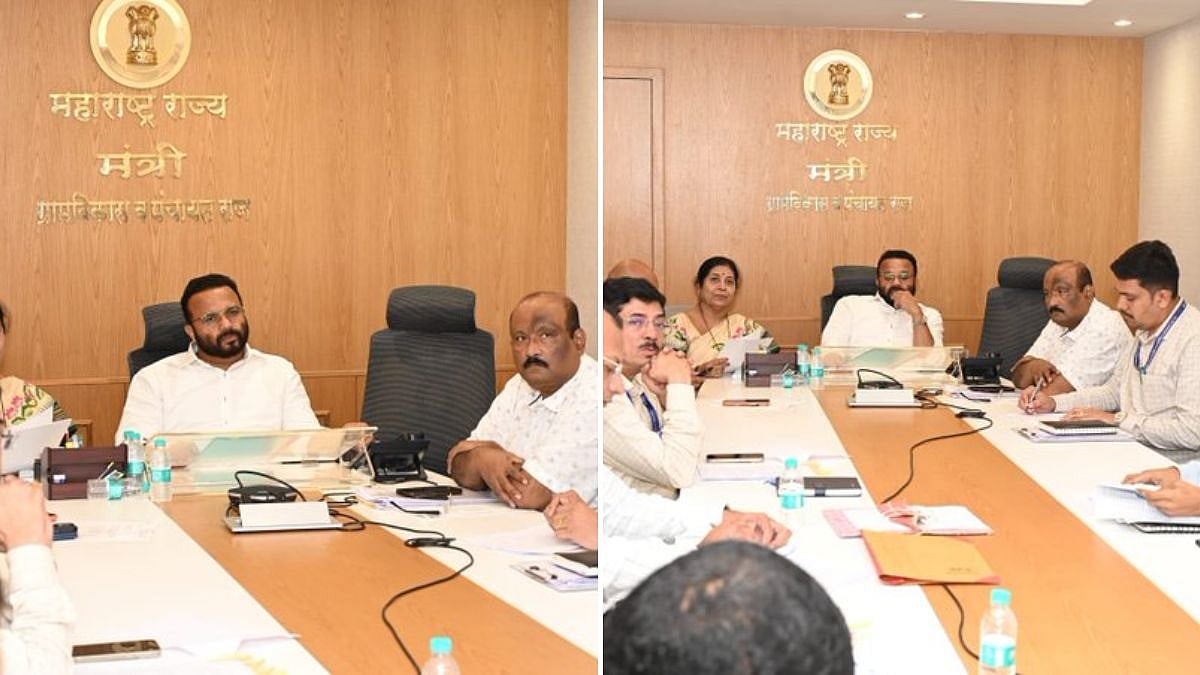
Maharashtra Deputy Chief Minister Eknath Shinde on Tuesday emphasized the importance of maintaining high standards of cleanliness, patient food, and medicines in government hospitals. He issued these directions during a review meeting of the Public Health Department at Mantralaya, where Public Health Minister Prakash Abitkar made a presentation.
Shinde stressed that there would be no compromise on these three aspects and directed officials to ensure their strict maintenance. He also instructed officials to expedite the completion of incomplete hospital and health centre projects, particularly in rural areas, to provide quality healthcare closer to home.
The Deputy CM called for greater participation from reputed NGOs and industries through CSR initiatives to strengthen primary health centres. He emphasized the need for government hospitals and primary health centres to provide quality medicines and nutritious food to patients. Since patient meals are supplied through women’s self-help groups, strict monitoring of their quality is necessary.
Shinde also highlighted the importance of cleanliness in hospitals, stating that it is among the most important requirements. He directed officials to take strict action against those failing to maintain prescribed standards. Furthermore, he emphasized the need for specialist medical services to be made available at rural hospitals, so that patients do not have to travel to cities for routine specialist treatment.
The Deputy CM also directed officials to strengthen hospitals under the Employees’ State Insurance scheme, which has substantial infrastructure and resources. These facilities should be utilized more effectively to provide healthcare to workers as well as the general public.
In addition, Shinde instructed the department to initiate discussions with the Maharashtra Pollution Control Board to operationalize sewage treatment facilities at hospitals. This is required under Central Pollution Control Board norms to treat contaminated water and protect the environment. He also stressed the need for proper treatment of biomedical waste.
Shinde emphasized that healthcare should not remain confined to hospitals but must reach every citizen, with a greater emphasis on preventive healthcare, strengthening primary health centres, modern technology, and patient-centric services. The Health Department has made significant progress in this regard, with over two crore women screened for cancer, hypertension, and diabetes as part of the state's focus on women's health.
Under the 'Swasth Nari, Sashakt Parivar' campaign, more than one crore citizens have been screened, including 75.87 lakh women. Special campaigns are also being conducted for sickle cell disease and thalassemia. The government has approved the creation of supernumerary posts to expand manpower and infrastructure in the health sector.
In conclusion, Eknath Shinde's directives aim to improve the quality of healthcare services in Maharashtra, particularly in rural areas. By emphasizing cleanliness, quality food, and medicines, the state government hopes to provide better healthcare outcomes for its citizens.
The significance of this development lies in its potential to improve the health and wellbeing of millions of people in Maharashtra. By strengthening primary health centres, providing specialist medical services, and emphasizing preventive healthcare, the state government can reduce the burden on urban hospitals and provide more equitable access to healthcare services. This, in turn, can have a positive impact on the overall quality of life and economic productivity of the state.
Overall, the Deputy CM's directives are a step in the right direction, and their successful implementation will be crucial in achieving the state's healthcare goals.
Frequently asked questions
What are the key areas of focus for the Maharashtra government's healthcare initiatives?
The key areas of focus are cleanliness, quality food, and medicines in government hospitals, as well as providing specialist medical services in rural areas.
What is the significance of the 'Swasth Nari, Sashakt Parivar' campaign?
The campaign aims to screen citizens for various health conditions, including cancer, hypertension, and diabetes, with a focus on women's health.