UK Bans Iran Revolutionary Guards
UK takes action against Iran's Revolutionary Guards, citing attacks on Jews.
'%3E%3Crect%20width%3D'96'%20height%3D'96'%20fill%3D'%234A235A'%2F%3E%3Ccircle%20cx%3D'30'%20cy%3D'24'%20r%3D'44'%20fill%3D'%23fff'%20opacity%3D'.12'%2F%3E%3Ccircle%20cx%3D'60'%20cy%3D'74'%20r%3D'40'%20fill%3D'%23000'%20opacity%3D'.10'%2F%3E%3C%2Fg%3E%3Cg%20fill%3D'none'%20stroke%3D'%23fff'%20stroke-width%3D'3'%3E%3Ccircle%20cx%3D'48'%20cy%3D'48'%20r%3D'16'%2F%3E%3Cellipse%20cx%3D'48'%20cy%3D'48'%20rx%3D'6.5'%20ry%3D'16'%2F%3E%3Cline%20x1%3D'32'%20y1%3D'42'%20x2%3D'64'%20y2%3D'42'%2F%3E%3Cline%20x1%3D'32'%20y1%3D'54'%20x2%3D'64'%20y2%3D'54'%2F%3E%3C%2Fg%3E%3C%2Fsvg%3E)
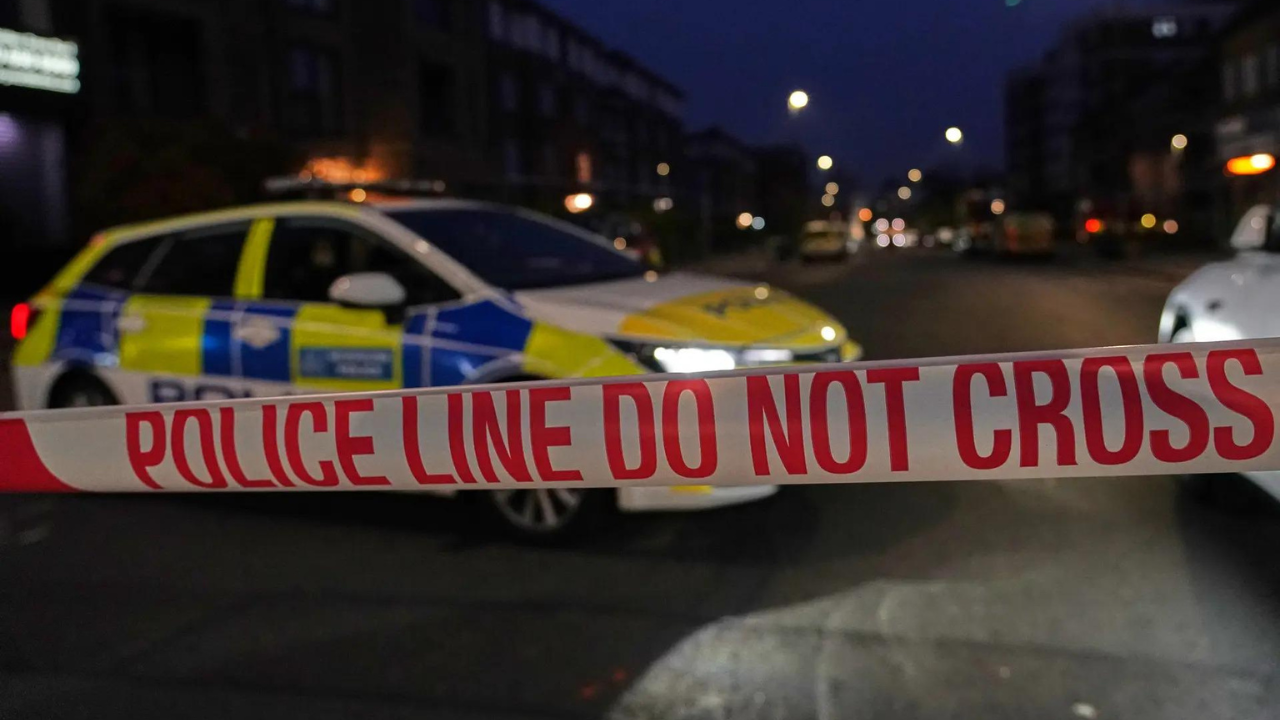
The United Kingdom has officially banned the Iran Revolutionary Guards, holding them responsible for attacks on Jewish individuals. This move marks a significant escalation in tensions between the UK and Iran.
The UK government has stated that an IRGC-backed group is behind the attacks on Jews, prompting the ban. The decision is part of a broader effort to counter the growing threat posed by the Iran Revolutionary Guards.
The Iran Revolutionary Guards, also known as the IRGC, is a powerful military organization in Iran. It has been accused of supporting various militant groups and engaging in terrorist activities. The UK's decision to ban the IRGC is likely to have significant implications for relations between the two countries.
In recent years, the IRGC has been involved in various controversies, including supporting militant groups in the Middle East and engaging in cyberattacks against Western targets. The UK's ban is part of a broader effort to counter the IRGC's activities and prevent them from posing a threat to national security.
The UK government has also expressed concerns about the IRGC's human rights record, citing reports of abuses and atrocities committed by the organization. The ban is seen as a way to hold the IRGC accountable for its actions and to pressure the Iranian government to rein in the organization's activities.
The international community has been watching the situation closely, with many countries expressing concerns about the IRGC's activities. The US has already designated the IRGC as a terrorist organization, and other countries are considering similar measures.
The ban on the IRGC is likely to have significant implications for the UK's relations with Iran. The Iranian government has already responded to the ban, condemning it as an unjustified and provocative move. The situation is likely to escalate further, with potential consequences for regional stability and global security.
In the context of the Middle East, the UK's ban on the IRGC is part of a broader effort to counter the growing influence of Iran. The region has been plagued by conflict and instability, with various countries vying for power and influence. The UK's move is seen as an attempt to counterbalance Iran's growing power and to prevent the IRGC from posing a threat to regional stability.
The UK's decision to ban the IRGC has significant implications for global security. The IRGC's activities have been linked to various terrorist groups, and the organization's support for militant groups has contributed to instability in the region. The ban is seen as a way to prevent the IRGC from posing a threat to global security and to hold the organization accountable for its actions.
In conclusion, the UK's ban on the Iran Revolutionary Guards marks a significant escalation in tensions between the UK and Iran. The move is part of a broader effort to counter the growing threat posed by the IRGC and to prevent the organization from posing a threat to national security and regional stability. The situation is likely to have significant implications for global security and the international community will be watching the situation closely.