Elephants Thrive 5 Years After Release
Elephants reintroduced to wild, adapt well. Conservation efforts show promise.
'%3E%3Crect%20width%3D'96'%20height%3D'96'%20fill%3D'%23B3261E'%2F%3E%3Ccircle%20cx%3D'30'%20cy%3D'24'%20r%3D'44'%20fill%3D'%23fff'%20opacity%3D'.12'%2F%3E%3Ccircle%20cx%3D'60'%20cy%3D'74'%20r%3D'40'%20fill%3D'%23000'%20opacity%3D'.10'%2F%3E%3C%2Fg%3E%3Cg%20fill%3D'%23fff'%3E%3Crect%20x%3D'29'%20y%3D'49'%20width%3D'8'%20height%3D'19'%20rx%3D'1'%2F%3E%3Crect%20x%3D'39'%20y%3D'40'%20width%3D'9'%20height%3D'28'%20rx%3D'1'%2F%3E%3Crect%20x%3D'50'%20y%3D'45'%20width%3D'8'%20height%3D'23'%20rx%3D'1'%2F%3E%3Crect%20x%3D'60'%20y%3D'53'%20width%3D'7'%20height%3D'15'%20rx%3D'1'%2F%3E%3Crect%20x%3D'41'%20y%3D'34'%20width%3D'5'%20height%3D'6'%2F%3E%3C%2Fg%3E%3C%2Fsvg%3E)
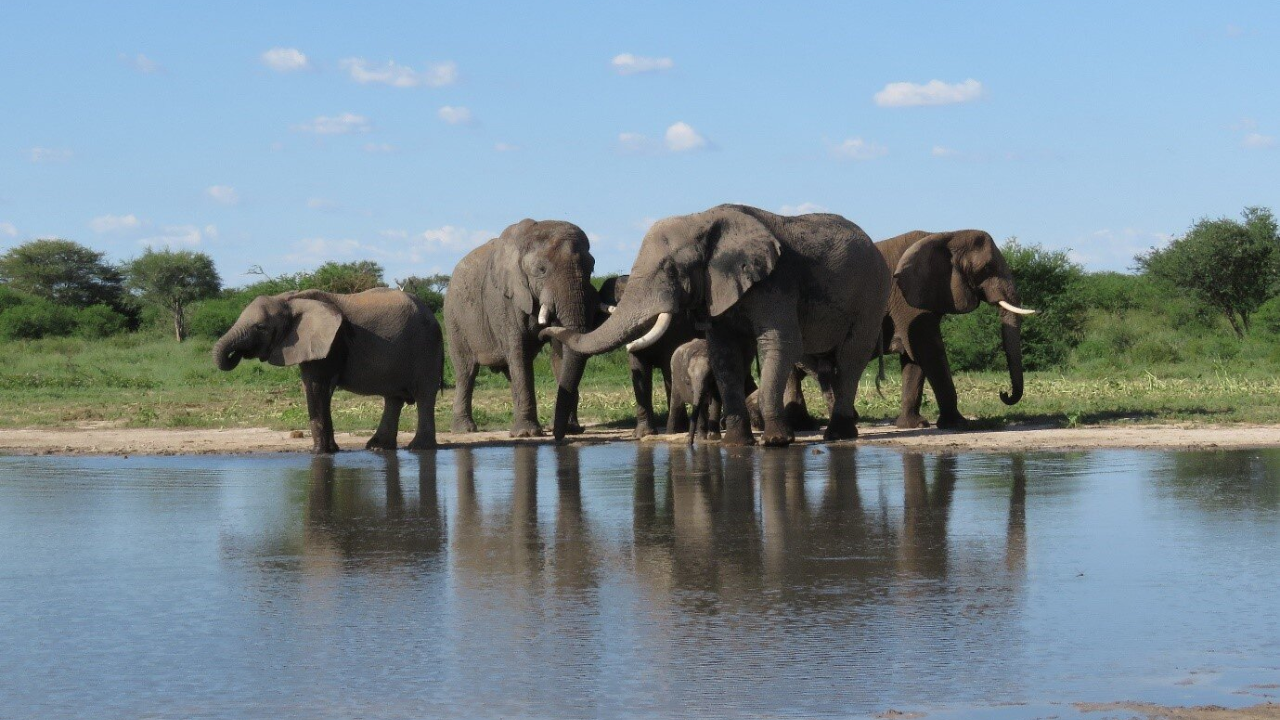
Elephants that were rescued and reintroduced into reserves in South Africa are thriving five years later. The elephants, which were previously in captivity, have demonstrated remarkable behavior similar to that of free-roaming herds.
Researchers have been studying the elephants and have observed that they have adapted seamlessly to their natural habitats. The elephants have also maintained optimal stress hormone levels, which is a key indicator of their well-being.
The study is an inspiring example of the potential for long-term captive elephants to regain their independence. The research has significant implications for conservation efforts throughout southern Africa, where many elephants are still in captivity.
The elephants were reintroduced into the wild as part of a conservation effort to protect and preserve the species. The program aimed to provide the elephants with a safe and natural environment, where they could roam freely and behave naturally.
The researchers used various methods to study the elephants, including observing their behavior and monitoring their stress hormone levels. The results of the study showed that the elephants were able to adapt quickly to their new environment and were able to maintain healthy stress levels.
The study's findings are promising for the future of elephant conservation in southern Africa. The research suggests that with the right approach and support, captive elephants can be successfully reintroduced into the wild and thrive.
The conservation effort is a collaborative project between various organizations and researchers. The project aims to protect and preserve elephant populations, as well as to promote the conservation of their habitats.
The success of the project is a testament to the power of conservation efforts and the importance of protecting and preserving wildlife. The study's findings will be used to inform and improve future conservation efforts, and to promote the well-being of elephants in southern Africa.
The research has significant implications for the conservation of elephants and other wildlife species. The study's findings suggest that with the right approach and support, captive animals can be successfully reintroduced into the wild and thrive. This has important implications for the development of conservation strategies and policies.
In conclusion, the study of the rescued South African elephants is an inspiring example of the potential for conservation efforts to make a positive impact on the lives of wildlife. The research underscores the importance of protecting and preserving natural habitats and promoting the well-being of animals.
The future of elephant conservation in southern Africa looks promising, thanks to the success of this project. The study's findings will be used to inform and improve future conservation efforts, and to promote the well-being of elephants in the region.
The project is a shining example of what can be achieved through collaboration and dedication to conservation. The research has the potential to make a significant impact on the lives of elephants and other wildlife species, and to promote the conservation of their habitats.
The study's findings are a reminder of the importance of protecting and preserving wildlife, and of the need for continued conservation efforts. The research highlights the potential for captive animals to be successfully reintroduced into the wild, and to thrive in their natural habitats.
The conservation of elephants and other wildlife species is an ongoing effort, and one that requires continued support and dedication. The study of the rescued South African elephants is an inspiring example of what can be achieved through conservation efforts, and a reminder of the importance of protecting and preserving wildlife.
Frequently asked questions
What happened to the South African elephants after they were released into the wild?
The elephants adapted seamlessly to their natural habitats and maintained optimal stress hormone levels.
What are the implications of the study for elephant conservation in southern Africa?
The study suggests that with the right approach and support, captive elephants can be successfully reintroduced into the wild and thrive, and has significant implications for the development of conservation strategies and policies.