Bombay HC Upholds Pre-2015 Unilateral Arbitrator Appointments
Bombay HC rules on unilateral arbitrator appointments, arbitration agreements and legal positions.
'%3E%3Crect%20width%3D'96'%20height%3D'96'%20fill%3D'%23B3261E'%2F%3E%3Ccircle%20cx%3D'30'%20cy%3D'24'%20r%3D'44'%20fill%3D'%23fff'%20opacity%3D'.12'%2F%3E%3Ccircle%20cx%3D'60'%20cy%3D'74'%20r%3D'40'%20fill%3D'%23000'%20opacity%3D'.10'%2F%3E%3C%2Fg%3E%3Cg%20fill%3D'%23fff'%3E%3Crect%20x%3D'29'%20y%3D'49'%20width%3D'8'%20height%3D'19'%20rx%3D'1'%2F%3E%3Crect%20x%3D'39'%20y%3D'40'%20width%3D'9'%20height%3D'28'%20rx%3D'1'%2F%3E%3Crect%20x%3D'50'%20y%3D'45'%20width%3D'8'%20height%3D'23'%20rx%3D'1'%2F%3E%3Crect%20x%3D'60'%20y%3D'53'%20width%3D'7'%20height%3D'15'%20rx%3D'1'%2F%3E%3Crect%20x%3D'41'%20y%3D'34'%20width%3D'5'%20height%3D'6'%2F%3E%3C%2Fg%3E%3C%2Fsvg%3E)
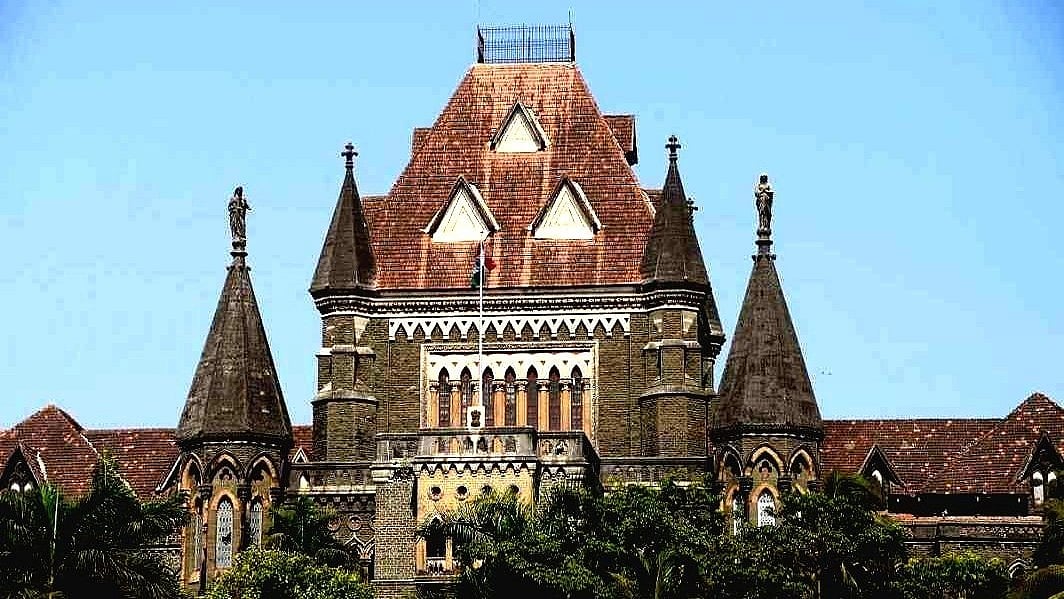
The Bombay High Court has ruled that unilateral arbitrator appointments made before October 23, 2015, are valid if the arbitration agreement allows for such appointments.
This judgment was passed by Justice Jitendra Jain on August 4, in a case involving SE Investments Ltd, now known as Paisalo Digital Ltd. The court was dealing with four execution proceedings and had to decide whether an executing court could refuse to enforce arbitral awards due to unilateral arbitrator appointments.
Before the 2015 amendment to the Arbitration and Conciliation Act, unilateral appointments were recognized by courts in certain situations. These situations included cases where the arbitration agreement named a particular arbitrator, specified a person or designation for appointment, or gave one of the parties the authority to appoint an arbitrator.
The 2015 amendment introduced Section 12(5) to strengthen the requirements of independence and impartiality of arbitrators. However, the court held that this later legal position cannot be applied to invalidate every arbitrator appointment made before October 23, 2015.
The court drew a distinction between contractual appointments and unauthorized appointments. If the arbitration agreement provides for a named arbitrator or authorizes appointment by one of the parties, the unilateral appointment of an arbitrator prior to October 23, 2015, will not be without jurisdiction.
However, if the arbitration agreement does not name an arbitrator or give either party the power to appoint one, and one party appoints an arbitrator without the consent of the other, the appointment will be invalid. In such a case, the proceedings and award can be treated as void.
The court observed that the position has to be examined based on the arbitration agreement and the circumstances in which the arbitrator was appointed. The four connected matters have been posted for further consideration on September 15.
This judgment provides clarity on the validity of unilateral arbitrator appointments made before the 2015 amendment. It emphasizes the importance of examining the arbitration agreement and the circumstances of the appointment.
The ruling is significant for parties involved in arbitration proceedings, particularly those with arbitration agreements that allow for unilateral appointments. It highlights the need to carefully consider the terms of the arbitration agreement and the implications of unilateral appointments.
In conclusion, the Bombay High Court's judgment upholds the validity of pre-2015 unilateral arbitrator appointments if allowed under the arbitration clause. This ruling provides guidance on the interpretation of arbitration agreements and the legal position regarding unilateral appointments.
The judgment is a significant development in the field of arbitration law and will have implications for parties involved in arbitration proceedings. It emphasizes the importance of carefully considering the terms of the arbitration agreement and the circumstances of the appointment.
The court's decision will provide clarity and certainty for parties involved in arbitration proceedings, and will help to ensure that arbitration agreements are interpreted and applied consistently.
This ruling is a welcome development for the arbitration community, and will help to promote fairness, transparency, and efficiency in arbitration proceedings.
The Bombay High Court's judgment is a significant contribution to the development of arbitration law in India, and will have a positive impact on the arbitration community.
In the context of Indian law, this judgment is an important milestone in the evolution of arbitration law. It highlights the importance of careful consideration of the terms of the arbitration agreement and the implications of unilateral appointments.
The judgment will be closely watched by the arbitration community, and will have significant implications for parties involved in arbitration proceedings.
It is a landmark judgment that will shape the future of arbitration law in India, and will provide guidance to parties involved in arbitration proceedings.
The Bombay High Court's decision is a significant step forward in the development of arbitration law, and will help to promote fairness, transparency, and efficiency in arbitration proceedings.
The judgment is a testament to the Indian judiciary's commitment to upholding the rule of law and promoting fairness and transparency in arbitration proceedings.
In conclusion, the Bombay High Court's judgment is a significant development in the field of arbitration law, and will have far-reaching implications for parties involved in arbitration proceedings.
The ruling is a welcome development for the arbitration community, and will help to promote fairness, transparency, and efficiency in arbitration proceedings.
The judgment will be closely watched by the arbitration community, and will have significant implications for parties involved in arbitration proceedings.
It is a landmark judgment that will shape the future of arbitration law in India, and will provide guidance to parties involved in arbitration proceedings.
The Bombay High Court's decision is a significant step forward in the development of arbitration law, and will help to promote fairness, transparency, and efficiency in arbitration proceedings.
The judgment is a testament to the Indian judiciary's commitment to upholding the rule of law and promoting fairness and transparency in arbitration proceedings.
Frequently asked questions
What is the Bombay HC's stance on unilateral arbitrator appointments made before 2015?
The Bombay HC has ruled that unilateral arbitrator appointments made before October 23, 2015, are valid if the arbitration agreement allows for such appointments.
How did the 2015 amendment affect the legal position on arbitrator appointments?
The 2015 amendment introduced Section 12(5) to strengthen the requirements of independence and impartiality of arbitrators, changing the legal position on unilateral arbitrator appointments.