Ganesh Chaturthi 2026: Ayurvedic Tips for Brain Health
Celebrate Ganesh Chaturthi with Ayurvedic habits for better brain health. Learn how to boost your brain wellbeing.
'%3E%3Crect%20width%3D'96'%20height%3D'96'%20fill%3D'%23B3261E'%2F%3E%3Ccircle%20cx%3D'30'%20cy%3D'24'%20r%3D'44'%20fill%3D'%23fff'%20opacity%3D'.12'%2F%3E%3Ccircle%20cx%3D'60'%20cy%3D'74'%20r%3D'40'%20fill%3D'%23000'%20opacity%3D'.10'%2F%3E%3C%2Fg%3E%3Cg%20fill%3D'%23fff'%3E%3Crect%20x%3D'29'%20y%3D'49'%20width%3D'8'%20height%3D'19'%20rx%3D'1'%2F%3E%3Crect%20x%3D'39'%20y%3D'40'%20width%3D'9'%20height%3D'28'%20rx%3D'1'%2F%3E%3Crect%20x%3D'50'%20y%3D'45'%20width%3D'8'%20height%3D'23'%20rx%3D'1'%2F%3E%3Crect%20x%3D'60'%20y%3D'53'%20width%3D'7'%20height%3D'15'%20rx%3D'1'%2F%3E%3Crect%20x%3D'41'%20y%3D'34'%20width%3D'5'%20height%3D'6'%2F%3E%3C%2Fg%3E%3C%2Fsvg%3E)
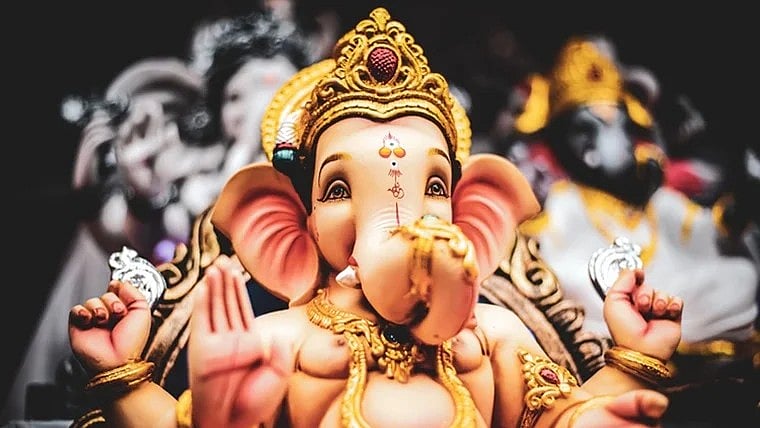
The ten-day festival of Ganesh Chaturthi, starting on September 14th, 2026, is a celebration of the birth of Lord Ganesh, the god of wisdom, good beginnings, fortune, and success. As the god of wisdom, it is essential to understand the mistakes that impact brain health and how Ayurveda can boost it.
One of the major mistakes that affect brain health is a bad sleep cycle. Sleeping less than seven hours daily can stop the brain from removing waste and repairing cells, resulting in memory loss and reduced cognitive function. A sedentary lifestyle can also reduce the brain's blood flow, causing the brain to shrink and leading to difficulty forming new memories. Chronic stress can increase cortisol levels, resulting in the shrinking of areas of the brain that handle emotional work and attention.
Being socially aloof or isolated can negatively influence happiness and productivity, and even cause brain decline. Wrong diet choices, such as sugary drinks and processed food, can cause irregular memory, reduce overall brain volume, and even lower cognitive function. In Ayurveda, ignoring one's inner system and choices that impact the intellect and recall is considered a key mistake, known as Prajnaparadha.
Another error is disturbing one's natural rhythm, leading to mental tiredness, recall issues, and anxiety. However, Ayurveda provides a long-term positive impact on brain health. There are several Ayurvedic ways to boost brain wellbeing, including herbal power, dietary habits, and lifestyle choices.
Herbal power includes the use of Ashwagandha, Brahmi, and Shankhapushpi to lower stress, soothe the nervous system, and promote good sleep and mental peace. Dietary habits, such as consuming ghee, almonds, walnuts, and turmeric, can nourish brain tissues and improve brain power and clarity. Lifestyle choices, such as regulating sleep patterns, meditation, and yoga, can calm the mind and provide emotional steadiness.
Patanjali, a well-known Ayurvedic brand, offers special products to keep the brain healthy. Their Nutrela Vitamin B12 Natural contains ingredients such as moringa and aloe vera, which maintain brain function, focus, and clarity. By incorporating these Ayurvedic tips into daily life, individuals can boost their brain wellbeing and celebrate Ganesh Chaturthi with a healthy and happy mind.
As the festival of Ganesh Chaturthi approaches, it is essential to remember the importance of brain health and how Ayurveda can help. By avoiding mistakes that affect brain health and incorporating Ayurvedic habits into daily life, individuals can improve their cognitive function, memory, and overall wellbeing.
In conclusion, the celebration of Ganesh Chaturthi is not just a time for festivities, but also an opportunity to focus on brain health and wellbeing. By embracing Ayurvedic habits and avoiding mistakes that affect brain health, individuals can improve their quality of life and achieve a healthier and happier mind.
The significance of this festival and the importance of brain health cannot be overstated. As India celebrates the birth of Lord Ganesh, it is essential to remember the value of wisdom, good beginnings, fortune, and success. By prioritizing brain health and wellbeing, individuals can achieve their goals and live a fulfilling life.
Overall, the festival of Ganesh Chaturthi is a time for celebration, reflection, and growth. By incorporating Ayurvedic habits into daily life and avoiding mistakes that affect brain health, individuals can improve their cognitive function, memory, and overall wellbeing, and achieve a healthier and happier mind.
Frequently asked questions
What is the significance of Ganesh Chaturthi?
Ganesh Chaturthi is a ten-day festival that celebrates the birth of Lord Ganesh, the god of wisdom, good beginnings, fortune, and success.
How can Ayurveda help with brain health?
Ayurveda provides long-term positive impact on brain health through herbal power, dietary habits, and lifestyle choices.