Haridwar Faces 7,000 Tonnes Garbage After Kanwar Yatra
Haridwar tackles massive garbage problem, Uttarakhand launches clean-up drive
'%3E%3Crect%20width%3D'96'%20height%3D'96'%20fill%3D'%23B3261E'%2F%3E%3Ccircle%20cx%3D'30'%20cy%3D'24'%20r%3D'44'%20fill%3D'%23fff'%20opacity%3D'.12'%2F%3E%3Ccircle%20cx%3D'60'%20cy%3D'74'%20r%3D'40'%20fill%3D'%23000'%20opacity%3D'.10'%2F%3E%3C%2Fg%3E%3Cg%20fill%3D'%23fff'%3E%3Crect%20x%3D'29'%20y%3D'49'%20width%3D'8'%20height%3D'19'%20rx%3D'1'%2F%3E%3Crect%20x%3D'39'%20y%3D'40'%20width%3D'9'%20height%3D'28'%20rx%3D'1'%2F%3E%3Crect%20x%3D'50'%20y%3D'45'%20width%3D'8'%20height%3D'23'%20rx%3D'1'%2F%3E%3Crect%20x%3D'60'%20y%3D'53'%20width%3D'7'%20height%3D'15'%20rx%3D'1'%2F%3E%3Crect%20x%3D'41'%20y%3D'34'%20width%3D'5'%20height%3D'6'%2F%3E%3C%2Fg%3E%3C%2Fsvg%3E)
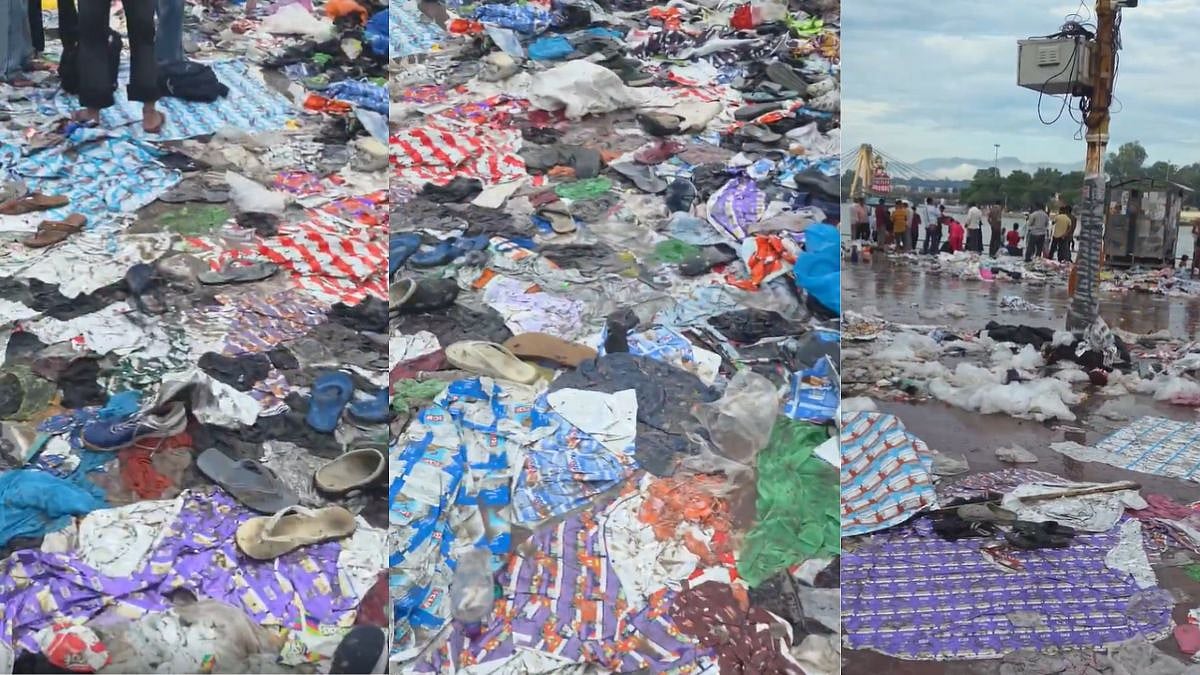
The annual Kanwar Yatra has come to an end, leaving behind a staggering 7,000 tonnes of garbage in Haridwar, Uttarakhand. The city, known for its holy sites and pilgrimage, is now gearing up for a massive clean-up operation.
According to data, nearly five crore pilgrims visited Haridwar to collect water from the holy Ganga river during the holy month of Shravan or Sawan. The Kanwar Yatra is one of the largest annual religious gatherings in India, where devotees travel to Haridwar to collect holy water from the Ganga and carry it back to their respective hometowns.
The massive footfall, however, also creates a significant waste-management challenge for the city. Kanwariyas left tonnes of garbage in holy sites, including dirty clothes, slippers, plastic bottles, and more. In the changing rooms, discarded water bottles filled with urine were left behind, sparking outrage among locals.
With the departure of Kanwariyas, civic authorities have shifted their focus towards restoring cleanliness across the city. Roads, ghats, parking areas, and other locations that witnessed heavy movement during the pilgrimage are expected to undergo intensive cleaning. The Haridwar Municipal Corporation has deployed more than 1,100 sanitation workers and 80 vehicles to tackle the garbage problem.
The incident has raised concerns about the potential pollution of the Ganga and the risk of disease. Experts warn that the garbage could contaminate the river, posing a threat to the environment and public health. The forest department has also undertaken a special cleanliness drive in Gangotri, collecting 57 sacks of waste for disposal.
The clean-up drive is expected to be a challenging task, but the authorities are determined to restore the city's cleanliness and beauty. The incident has sparked a debate about the need for better waste management and disposal systems in holy cities like Haridwar.
The Kanwar Yatra is an important religious event, but it also highlights the need for responsible tourism and pilgrimage. The massive gathering of devotees and pilgrims can put a strain on the city's infrastructure and environment, and it is essential to take measures to mitigate the impact.
In the coming days, the city will undergo a massive transformation, with roads, ghats, and other areas being cleaned and restored to their original state. The authorities are working tirelessly to ensure that the city is clean and beautiful, and that the Ganga river is protected from pollution.
The incident serves as a reminder of the importance of responsible waste management and disposal. It is essential for pilgrims and devotees to be mindful of their actions and to take steps to minimize their impact on the environment. By working together, we can ensure that holy cities like Haridwar remain clean and beautiful, and that the Ganga river is protected for future generations.
In conclusion, the massive clean-up drive in Haridwar is a significant step towards restoring the city's cleanliness and beauty. It highlights the need for responsible tourism and pilgrimage, and the importance of protecting the environment and public health. As the city moves forward, it is essential to take measures to prevent such incidents in the future and to ensure that the Ganga river remains clean and pristine.
Frequently asked questions
How much garbage was left behind after the Kanwar Yatra?
7,000 tonnes of garbage was left behind after the Kanwar Yatra
How many pilgrims visited Haridwar during the Kanwar Yatra?
Nearly 5 crore pilgrims visited Haridwar during the Kanwar Yatra