SC: Voluminous Evidence Causes Graft Case Delays
Graft cases delayed due to voluminous evidence. SC comments on long pendency.
'%3E%3Crect%20width%3D'96'%20height%3D'96'%20fill%3D'%231A5276'%2F%3E%3Ccircle%20cx%3D'30'%20cy%3D'24'%20r%3D'44'%20fill%3D'%23fff'%20opacity%3D'.12'%2F%3E%3Ccircle%20cx%3D'60'%20cy%3D'74'%20r%3D'40'%20fill%3D'%23000'%20opacity%3D'.10'%2F%3E%3C%2Fg%3E%3Cg%20fill%3D'%23fff'%3E%3Cpath%20d%3D'M31%2041%20L48%2031%20L65%2041%20Z'%2F%3E%3Crect%20x%3D'33'%20y%3D'43'%20width%3D'4'%20height%3D'17'%2F%3E%3Crect%20x%3D'41'%20y%3D'43'%20width%3D'4'%20height%3D'17'%2F%3E%3Crect%20x%3D'51'%20y%3D'43'%20width%3D'4'%20height%3D'17'%2F%3E%3Crect%20x%3D'59'%20y%3D'43'%20width%3D'4'%20height%3D'17'%2F%3E%3Crect%20x%3D'30'%20y%3D'62'%20width%3D'36'%20height%3D'4'%20rx%3D'1'%2F%3E%3C%2Fg%3E%3C%2Fsvg%3E)
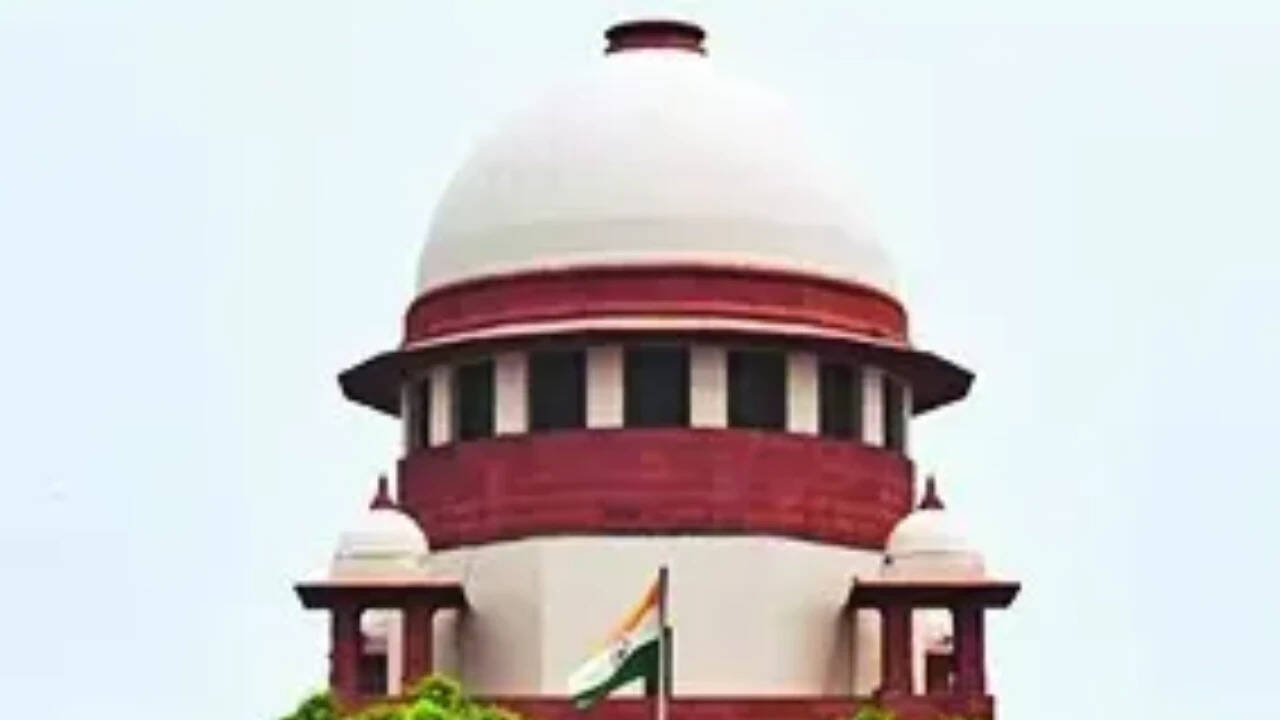
The Supreme Court has stated that the primary reason for the long pendency of graft cases is the voluminous evidence presented in these cases.
This observation was made by the apex court in response to the growing concern over the prolonged duration of corruption cases in India. The court noted that the sheer volume of evidence in these cases often leads to delays in the judicial process.
According to the court, the complexity and volume of evidence in graft cases require a significant amount of time to be properly examined and evaluated. This, in turn, contributes to the long pendency of these cases. The court's observation highlights the challenges faced by the Indian judiciary in dealing with corruption cases.
Corruption is a significant issue in India, and the country has been ranked poorly in various global corruption indices. The Indian government has introduced several laws and measures to combat corruption, including the Prevention of Corruption Act. However, the implementation of these laws and the prosecution of corruption cases remain a challenge.
The Supreme Court's observation on the long pendency of graft cases is a reminder of the need for efficient and effective judicial processes in India. The court's comment also underscores the importance of addressing the root causes of corruption and ensuring that those responsible are held accountable.
In recent years, there have been several high-profile corruption cases in India, including the 2G spectrum scam and the coal block allocation scam. These cases have highlighted the need for greater transparency and accountability in government decision-making and the allocation of public resources.
The Supreme Court's observation on the long pendency of graft cases is a call to action for the Indian government and the judiciary to work together to address the issue of corruption and ensure that justice is delivered in a timely and effective manner.
The Indian judiciary has been taking steps to address the issue of long pendency in courts, including the introduction of fast-track courts and the use of technology to streamline judicial processes. However, more needs to be done to address the root causes of corruption and ensure that those responsible are held accountable.
In conclusion, the Supreme Court's observation on the long pendency of graft cases highlights the need for efficient and effective judicial processes in India. The government and the judiciary must work together to address the issue of corruption and ensure that justice is delivered in a timely and effective manner.
Frequently asked questions
What is the main reason for the long pendency of graft cases in India?
The main reason for the long pendency of graft cases in India is the voluminous evidence presented in these cases.
What is the Indian government doing to combat corruption?
The Indian government has introduced several laws and measures to combat corruption, including the Prevention of Corruption Act.