PM Modi Concludes Visit To Uzbekistan, Kyrgyzstan
PM Modi held bilateral meetings and attended SCO summit, calling for action against terrorism.
'%3E%3Crect%20width%3D'96'%20height%3D'96'%20fill%3D'%234A235A'%2F%3E%3Ccircle%20cx%3D'30'%20cy%3D'24'%20r%3D'44'%20fill%3D'%23fff'%20opacity%3D'.12'%2F%3E%3Ccircle%20cx%3D'60'%20cy%3D'74'%20r%3D'40'%20fill%3D'%23000'%20opacity%3D'.10'%2F%3E%3C%2Fg%3E%3Cg%20fill%3D'none'%20stroke%3D'%23fff'%20stroke-width%3D'3'%3E%3Ccircle%20cx%3D'48'%20cy%3D'48'%20r%3D'16'%2F%3E%3Cellipse%20cx%3D'48'%20cy%3D'48'%20rx%3D'6.5'%20ry%3D'16'%2F%3E%3Cline%20x1%3D'32'%20y1%3D'42'%20x2%3D'64'%20y2%3D'42'%2F%3E%3Cline%20x1%3D'32'%20y1%3D'54'%20x2%3D'64'%20y2%3D'54'%2F%3E%3C%2Fg%3E%3C%2Fsvg%3E)
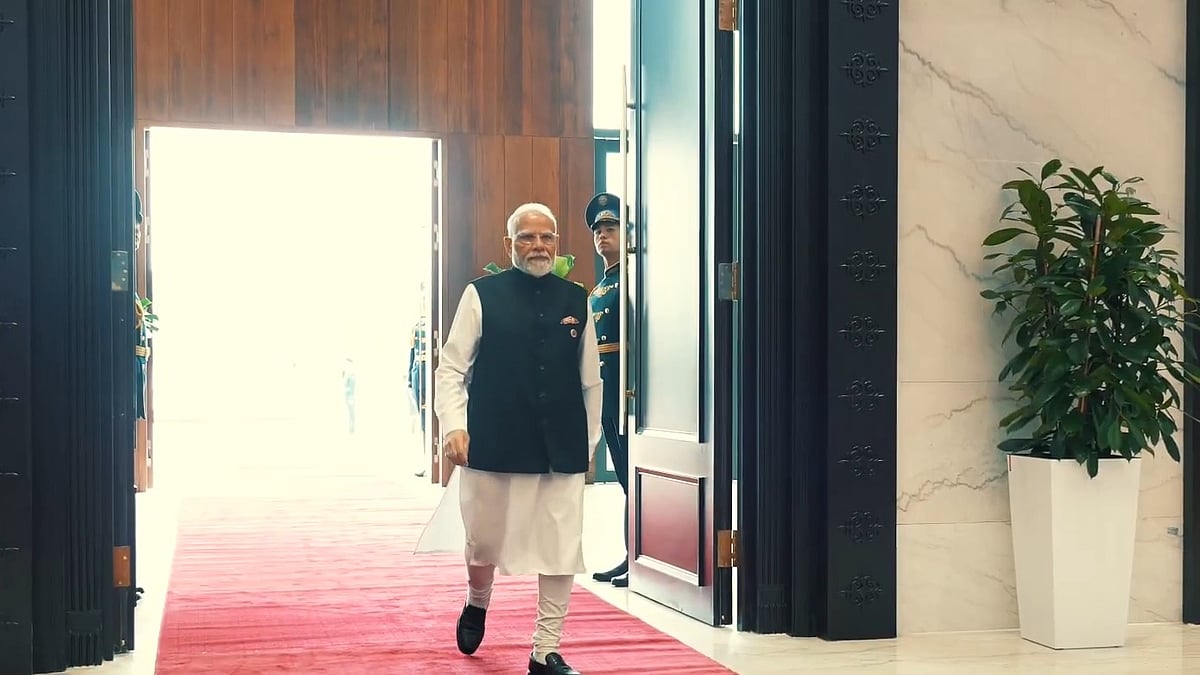
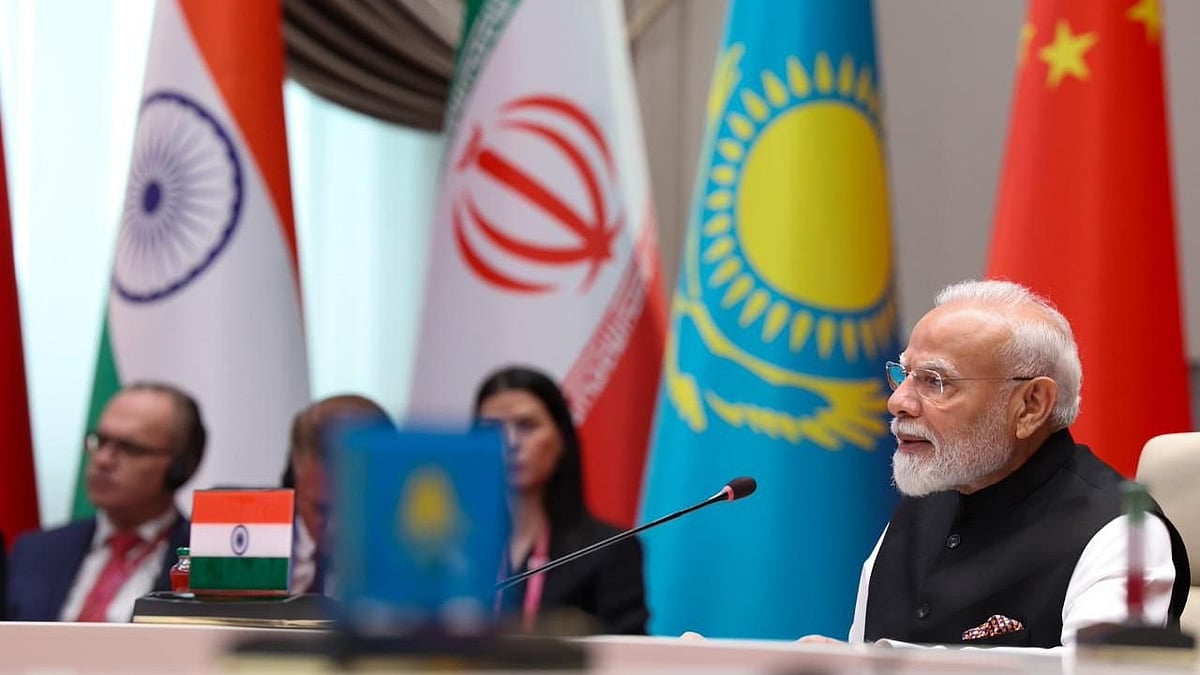
Prime Minister Narendra Modi concluded his two-nation visit to Uzbekistan and Kyrgyzstan on Tuesday, following a series of bilateral meetings and the annual Shanghai Cooperation Organisation (SCO) summit in Bishkek.
During his visit, PM Modi held productive engagements with several heads of state, including Uzbek President Shavkat Mirziyoyev and Russian President Vladimir Putin. He also attended the opening ceremony of the World Nomad Games in the Kyrgyz capital alongside several visiting SCO leaders.
In Uzbekistan, India and Uzbekistan decided to elevate their ties to a comprehensive strategic partnership and set a target of $5 billion in annual trade by 2030. The two sides also signed 11 agreements to boost cooperation in key sectors, including mining and tourism. They agreed to establish a framework for the long-term supply of uranium from Uzbekistan to India as part of cooperation in the civil nuclear energy sector.
At the SCO summit, PM Modi called for dismantling the entire ecosystem of terrorism and its financing, asserting that there could be no room for terrorism in any form. He also met with Iranian President Masoud Pezeshkian and discussed expanding and diversifying trade between India and Iran.
The visit marked a significant strengthening of India's engagement with the region, with tangible outcomes and a roadmap for the next 25 years. PM Modi was seen off at the airport in Bishkek by Adylbek Kasymaliev, Chairman of the Cabinet of Ministers of Kyrgyzstan.
The SCO summit provided a platform for India to engage with global leaders and push for action against terrorism. PM Modi's meeting with Russian President Vladimir Putin also saw a call for an immediate end to the Russia-Ukraine conflict, with a peaceful resolution being humanity's shared priority.
The visit highlighted India's growing importance in the region and its commitment to cooperation and dialogue. The agreements signed and the discussions held during the visit are expected to lead to substantive benefits for India in the coming years.
In terms of economic cooperation, the visit saw significant progress, with India and Kyrgyzstan agreeing to further enhance economic and commercial cooperation. The two countries also discussed the complementarities between their economies and the potential for increased trade and investment.
Overall, PM Modi's visit to Uzbekistan and Kyrgyzstan was marked by productive engagements and tangible outcomes, further strengthening India's engagement with the region. The visit highlighted India's commitment to cooperation, dialogue, and action against terrorism, and is expected to have a significant impact on the country's relations with the region in the coming years.
The visit also underscored the importance of the SCO as a platform for regional cooperation and dialogue. The organization, which includes countries such as China, Russia, and Pakistan, provides a unique opportunity for India to engage with its neighbors and push for its interests in the region.
In conclusion, PM Modi's visit to Uzbekistan and Kyrgyzstan was a significant success, with tangible outcomes and a roadmap for the next 25 years. The visit highlighted India's growing importance in the region and its commitment to cooperation, dialogue, and action against terrorism.
Frequently asked questions
What was the purpose of PM Modi's visit to Uzbekistan and Kyrgyzstan?
The purpose of PM Modi's visit was to attend the SCO summit and hold bilateral meetings with several heads of state.
What agreements were signed between India and Uzbekistan during the visit?
India and Uzbekistan signed 11 agreements to boost cooperation in key sectors, including mining and tourism.