Mumbai Mayor Proposes One Patient-One Relative Policy
Mumbai Mayor Ritu Tawde proposes new policy, aims to reduce overcrowding and improve infection control in BMC hospitals.
'%3E%3Crect%20width%3D'96'%20height%3D'96'%20fill%3D'%23B3261E'%2F%3E%3Ccircle%20cx%3D'30'%20cy%3D'24'%20r%3D'44'%20fill%3D'%23fff'%20opacity%3D'.12'%2F%3E%3Ccircle%20cx%3D'60'%20cy%3D'74'%20r%3D'40'%20fill%3D'%23000'%20opacity%3D'.10'%2F%3E%3C%2Fg%3E%3Cg%20fill%3D'%23fff'%3E%3Crect%20x%3D'29'%20y%3D'49'%20width%3D'8'%20height%3D'19'%20rx%3D'1'%2F%3E%3Crect%20x%3D'39'%20y%3D'40'%20width%3D'9'%20height%3D'28'%20rx%3D'1'%2F%3E%3Crect%20x%3D'50'%20y%3D'45'%20width%3D'8'%20height%3D'23'%20rx%3D'1'%2F%3E%3Crect%20x%3D'60'%20y%3D'53'%20width%3D'7'%20height%3D'15'%20rx%3D'1'%2F%3E%3Crect%20x%3D'41'%20y%3D'34'%20width%3D'5'%20height%3D'6'%2F%3E%3C%2Fg%3E%3C%2Fsvg%3E)
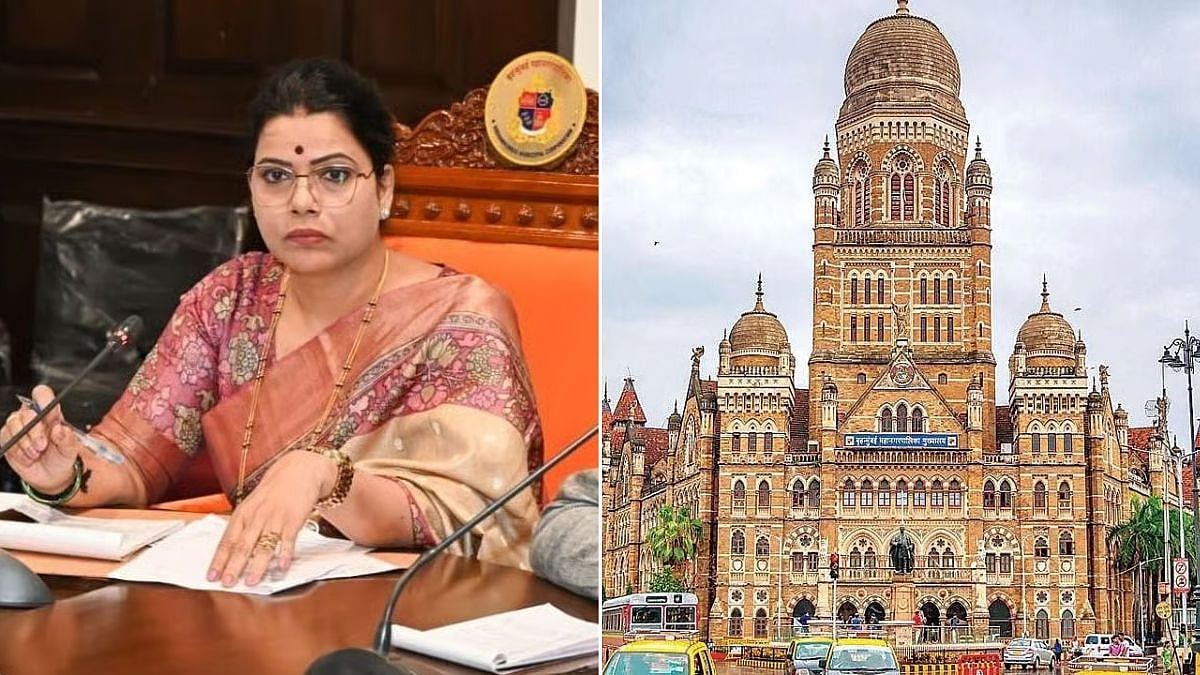
Mumbai Mayor Ritu Tawde has proposed a 'One Patient-One Relative' policy for Brihanmumbai Municipal Corporation (BMC) hospitals to tackle overcrowding and improve infection control.
The proposal, sent to Municipal Commissioner Ashwini Bhide, suggests implementing the policy on a pilot basis at KEM Hospital, Sion Hospital, and Nair Hospital.
Under the proposed policy, only one relative of each admitted patient will be allowed to stay in the ward. The civic administration has also been urged to introduce a modern visitor pass system at hospital entrances to regulate access and prevent unnecessary movement inside hospital premises.
The Mayor has recommended special relaxation for critically ill patients and those admitted to intensive care units (ICUs), allowing hospital authorities to issue additional passes to relatives on humanitarian grounds.
According to the Mayor, the move is aimed at reducing congestion in hospital corridors and wards, improving cleanliness and infection control, and creating a better working environment for doctors and nurses.
The proposal comes amid growing concerns over overcrowding in Mumbai's major civic hospitals, which cater to thousands of patients and their relatives from across Maharashtra every day.
The BMC hospitals have been facing issues with overcrowding, which can lead to a higher risk of infection and decreased quality of care. The proposed policy aims to address these issues and provide a better environment for patients and medical staff.
The introduction of a visitor pass system will help regulate the number of people entering the hospitals, reducing the risk of infection and improving overall cleanliness.
The Mayor's proposal is a step towards improving the healthcare system in Mumbai and providing better care for patients.
The implementation of the policy will be closely monitored, and its effectiveness will be evaluated to determine if it should be extended to other BMC hospitals.
The move is expected to have a positive impact on the healthcare system in Mumbai, and it is hoped that it will lead to improved patient care and outcomes.
In conclusion, the proposed 'One Patient-One Relative' policy is a significant step towards addressing the issues of overcrowding and infection control in BMC hospitals. It is expected to have a positive impact on the healthcare system in Mumbai and provide better care for patients.