West African Leopards Thrive in Benin Park
Conservation efforts pay off, leopard numbers rise. Hope for threatened species.
'%3E%3Crect%20width%3D'96'%20height%3D'96'%20fill%3D'%23B3261E'%2F%3E%3Ccircle%20cx%3D'30'%20cy%3D'24'%20r%3D'44'%20fill%3D'%23fff'%20opacity%3D'.12'%2F%3E%3Ccircle%20cx%3D'60'%20cy%3D'74'%20r%3D'40'%20fill%3D'%23000'%20opacity%3D'.10'%2F%3E%3C%2Fg%3E%3Cg%20fill%3D'%23fff'%3E%3Crect%20x%3D'29'%20y%3D'49'%20width%3D'8'%20height%3D'19'%20rx%3D'1'%2F%3E%3Crect%20x%3D'39'%20y%3D'40'%20width%3D'9'%20height%3D'28'%20rx%3D'1'%2F%3E%3Crect%20x%3D'50'%20y%3D'45'%20width%3D'8'%20height%3D'23'%20rx%3D'1'%2F%3E%3Crect%20x%3D'60'%20y%3D'53'%20width%3D'7'%20height%3D'15'%20rx%3D'1'%2F%3E%3Crect%20x%3D'41'%20y%3D'34'%20width%3D'5'%20height%3D'6'%2F%3E%3C%2Fg%3E%3C%2Fsvg%3E)
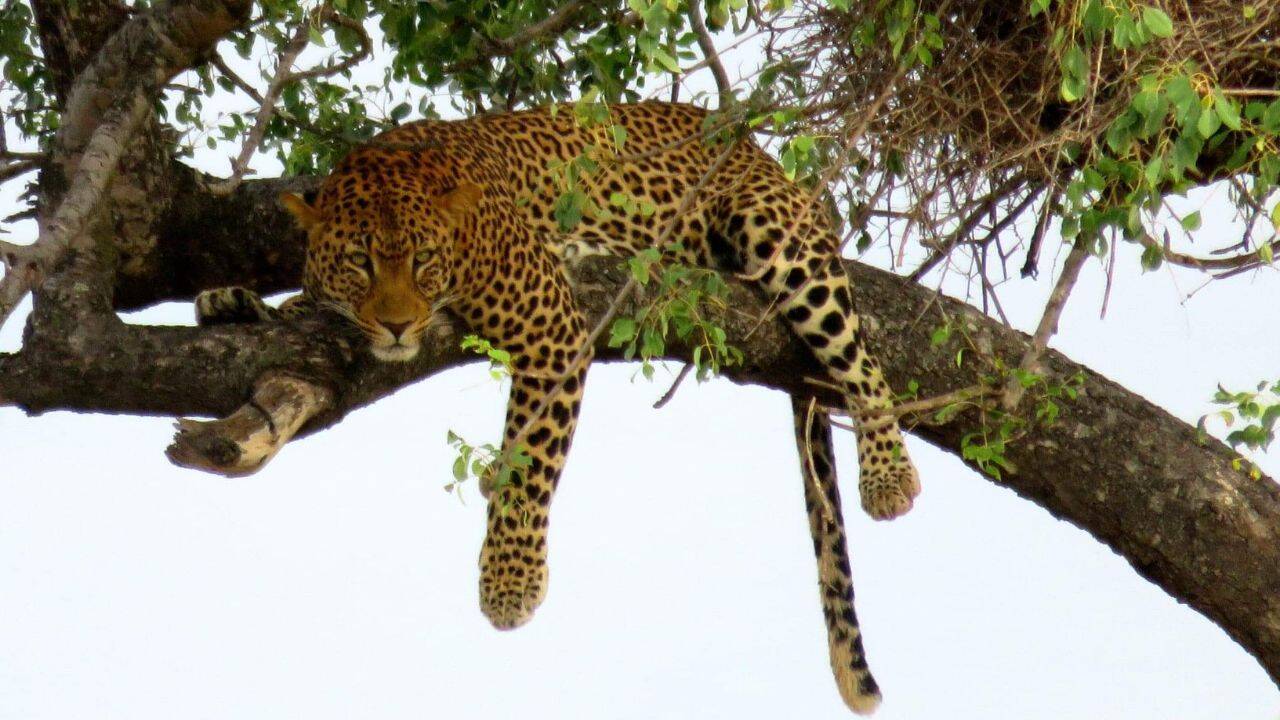
A recent conservation success story has emerged from Benin's Pendjari National Park, where West African leopards are defying the odds and showing signs of resilience. As of the latest count, only 354 West African leopards remain in the wild, making conservation efforts in this park all the more crucial.
The Pendjari National Park has been a beacon of hope for the species, with leopard density increasing significantly between 2017 and 2023. This achievement is a testament to the hard work and dedication of rangers and scientists who have been implementing innovative protection and monitoring strategies.
Despite regional conflict and human pressures, conservation efforts in the park have been succeeding. The park's rangers and scientists have been working tirelessly to protect the leopards and their habitat, using cutting-edge techniques to monitor and track the animals.
The success of conservation efforts in Pendjari National Park offers a glimmer of hope for threatened species in unstable areas. The park's experience shows that with determination and innovative strategies, it is possible to protect and preserve endangered species even in the face of adversity.
The West African leopard is one of the most endangered big cat species in the world, and its population has been declining due to habitat loss, human-wildlife conflict, and poaching. However, the Pendjari National Park has proven that conservation efforts can make a difference, and that with the right approach, it is possible to reverse the decline of endangered species.
The park's conservation success is also a testament to the importance of protected areas in preserving biodiversity. National parks like Pendjari provide a safe haven for endangered species, allowing them to thrive and recover from the brink of extinction.
The story of the West African leopards in Pendjari National Park is a powerful reminder of the impact that conservation efforts can have on endangered species. As the world continues to face the challenges of biodiversity loss and species extinction, the success of conservation efforts in this park offers a beacon of hope for the future.
In conclusion, the thriving West African leopard population in Benin's Pendjari National Park is a significant conservation success story. The park's experience shows that with determination, innovative strategies, and a commitment to protecting endangered species, it is possible to make a positive impact on the world's most threatened animals.
The conservation of West African leopards is not just important for the species itself, but also for the ecosystem as a whole. As a keystone species, leopards play a crucial role in maintaining the balance of nature, and their loss could have far-reaching consequences for the environment.
As the world looks to the future, the story of the West African leopards in Pendjari National Park serves as a powerful reminder of the importance of conservation and the impact that human actions can have on the natural world. It is a call to action, urging us to continue working towards the protection and preservation of endangered species, and to strive for a world where all animals can thrive.
The Pendjari National Park's conservation success is a significant achievement, and one that offers hope for the future of West African leopards and other endangered species. As we move forward, it is essential that we continue to support and invest in conservation efforts, and work towards a world where all species can coexist and thrive.
The West African leopard's story is a testament to the power of conservation and the impact that human actions can have on the natural world. It is a reminder that even in the face of adversity, determination and innovative strategies can make a difference, and that together, we can work towards a future where all species can thrive.
In the end, the conservation of West African leopards is a collective effort that requires the support and involvement of governments, organizations, and individuals. It is a challenge that we must all rise to, and one that requires our urgent attention and action. By working together, we can ensure the long-term survival of this majestic species, and preserve the natural beauty and diversity of our planet for future generations.
The story of the West African leopards in Pendjari National Park is a powerful reminder of the importance of conservation and the impact that human actions can have on the natural world. It is a call to action, urging us to continue working towards the protection and preservation of endangered species, and to strive for a world where all animals can thrive. The park's conservation success is a significant achievement, and one that offers hope for the future of West African leopards and other endangered species.
For Mumbai residents, the story of the West African leopards in Pendjari National Park serves as a reminder of the importance of conservation efforts, not just in Africa, but also in our own city. As we strive to protect and preserve the natural beauty of our surroundings, we can draw inspiration from the success of conservation efforts in this park, and work towards creating a better future for all species.
In conclusion, the conservation success of West African leopards in Benin's Pendjari National Park is a significant achievement that offers hope for the future of endangered species. The park's experience shows that with determination, innovative strategies, and a commitment to protecting endangered species, it is possible to make a positive impact on the world's most threatened animals. As we move forward, it is essential that we continue to support and invest in conservation efforts, and work towards a world where all species can coexist and thrive.
The significance of this conservation success story cannot be overstated. It is a powerful reminder of the impact that human actions can have on the natural world, and the importance of working towards the protection and preservation of endangered species. As we look to the future, the story of the West African leopards in Pendjari National Park serves as a beacon of hope, urging us to continue working towards a world where all animals can thrive.
The conservation of West African leopards is a complex issue that requires a multifaceted approach. It involves not just the protection of the species itself, but also the preservation of its habitat and the addressing of human-wildlife conflict. The Pendjari National Park's conservation success is a testament to the effectiveness of this approach, and a reminder that conservation efforts can make a difference when they are well-planned and well-executed.
As the world continues to face the challenges of biodiversity loss and species extinction, the story of the West African leopards in Pendjari National Park offers a glimmer of hope. It is a reminder that conservation efforts can be successful, even in the face of adversity, and that with determination and innovative strategies, we can work towards a future where all species can thrive.
The Pendjari National Park's conservation success is a significant achievement that has far-reaching implications for the conservation of endangered species. It shows that with the right approach, it is possible to protect and preserve endangered species, even in unstable areas. The park's experience is a powerful reminder of the importance of conservation efforts, and the impact that human actions can have on the natural world.
In the end, the conservation of West African leopards is a collective effort that requires the support and involvement of governments, organizations, and individuals. It is a challenge that we must all rise to, and one that requires our urgent attention and action. By working together, we can ensure the long-term survival of this majestic species, and preserve the natural beauty and diversity of our planet for future generations.
The story of the West African leopards in Pendjari National Park is a powerful reminder of the importance of conservation and the impact that human actions can have on the natural world. It is a call to action, urging us to continue working towards the protection and preservation of endangered species, and to strive for a world where all animals can thrive. The park's conservation success is a significant achievement, and one that offers hope for the future of West African leopards and other endangered species.
What this means for Mumbai and India is that conservation efforts can be successful, even in the face of adversity. The Pendjari National Park's experience shows that with determination, innovative strategies, and a commitment to protecting endangered species, it is possible to make a positive impact on the world's most threatened animals. As we strive to protect and preserve the natural beauty of our surroundings, we can draw inspiration from the success of conservation efforts in this park, and work towards creating a better future for all species.