80-Year-Old Irishman Restores Jodhpur Stepwells
Anand Mahindra praises Irishman for reviving Jodhpur's forgotten stepwells. Meet 'Pagal Saab'

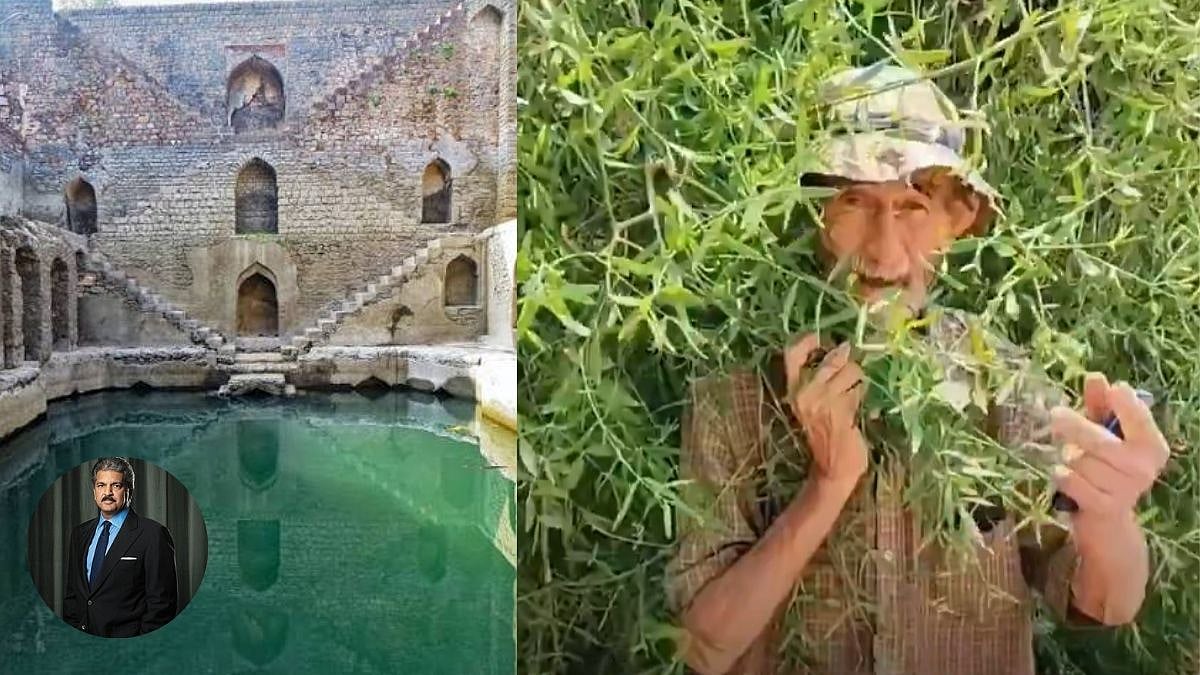
Anand Mahindra, a well-known industrialist, recently praised an 80-year-old Irishman for his extraordinary efforts to restore and preserve Jodhpur's forgotten stepwells. The Irishman, affectionately known as 'Pagal Saab', has spent several years cleaning and reviving the city's centuries-old stepwells.
The man behind the nickname is Caron Rawnsley, an Irish conservationist who has spent decades working to protect Jodhpur's historic baoris. Locals fondly call him 'Pagal Saab'—meaning 'crazy sir'—because of his unwavering dedication to cleaning neglected stepwells, often carrying out the work himself despite the challenges.
Caron first visited Jodhpur several decades ago and was captivated by the city's architectural beauty and traditional water systems. Disturbed by the poor condition of many ancient stepwells, which had become dumping grounds for garbage and debris, he decided to take action. Over the years, he has worked with local communities, volunteers, and heritage enthusiasts to clean and restore several historic baoris.
Anand Mahindra praised Caron's commitment on social media, calling attention to the remarkable impact one individual can make through determination and selfless service. He shared a video about Pagal Saab and wrote about the importance of preserving India's stepwells as living symbols of both heritage and water security.
Caron's work has drawn widespread appreciation for helping revive Rajasthan's centuries-old water heritage. His inspiring story has also highlighted the importance of individual efforts in making a difference in preserving our natural and cultural heritage.
Jodhpur's stepwells are a significant part of the city's cultural and architectural heritage. These ancient structures were built to provide water for the local community and were often beautifully designed and decorated. However, over the years, many of these stepwells had fallen into disrepair and were neglected.
The restoration of these stepwells is not only important for preserving Jodhpur's cultural heritage but also for providing a sustainable source of water for the local community. Caron's work has helped to raise awareness about the importance of these ancient structures and the need to preserve them for future generations.
Across India, there are many individuals and organizations working to restore and preserve the country's cultural and natural heritage. Caron's story is an inspiration to many, and his selfless service is a reminder that individual efforts can make a significant difference in preserving our heritage.
In conclusion, the story of Pagal Saab is a testament to the power of individual efforts in making a difference in preserving our cultural and natural heritage. His dedication to restoring Jodhpur's forgotten stepwells is an inspiration to many, and his work will have a lasting impact on the city's cultural and architectural heritage.
The appreciation of Anand Mahindra and the recognition of Caron's work by the public are a reminder that preserving our heritage is a collective responsibility. It requires the efforts of individuals, organizations, and the government to work together to protect and preserve our cultural and natural heritage for future generations.
As India continues to grow and develop, it is essential to remember the importance of preserving our heritage. The story of Pagal Saab is a reminder that individual efforts can make a significant difference in preserving our cultural and natural heritage, and it is up to each of us to do our part in protecting and preserving these valuable resources.
In the end, Caron's work is a shining example of the impact one person can have on preserving our cultural heritage. His dedication, passion, and selfless service are an inspiration to many, and his legacy will continue to inspire future generations to work towards preserving our cultural and natural heritage.