Opposition Slams Modi's Women's Quota Appeal
Opposition criticizes Modi's women's quota appeal, Fadnavis calls it hypocrisy
'%3E%3Crect%20width%3D'96'%20height%3D'96'%20fill%3D'%231A5276'%2F%3E%3Ccircle%20cx%3D'30'%20cy%3D'24'%20r%3D'44'%20fill%3D'%23fff'%20opacity%3D'.12'%2F%3E%3Ccircle%20cx%3D'60'%20cy%3D'74'%20r%3D'40'%20fill%3D'%23000'%20opacity%3D'.10'%2F%3E%3C%2Fg%3E%3Cg%20fill%3D'%23fff'%3E%3Cpath%20d%3D'M31%2041%20L48%2031%20L65%2041%20Z'%2F%3E%3Crect%20x%3D'33'%20y%3D'43'%20width%3D'4'%20height%3D'17'%2F%3E%3Crect%20x%3D'41'%20y%3D'43'%20width%3D'4'%20height%3D'17'%2F%3E%3Crect%20x%3D'51'%20y%3D'43'%20width%3D'4'%20height%3D'17'%2F%3E%3Crect%20x%3D'59'%20y%3D'43'%20width%3D'4'%20height%3D'17'%2F%3E%3Crect%20x%3D'30'%20y%3D'62'%20width%3D'36'%20height%3D'4'%20rx%3D'1'%2F%3E%3C%2Fg%3E%3C%2Fsvg%3E)
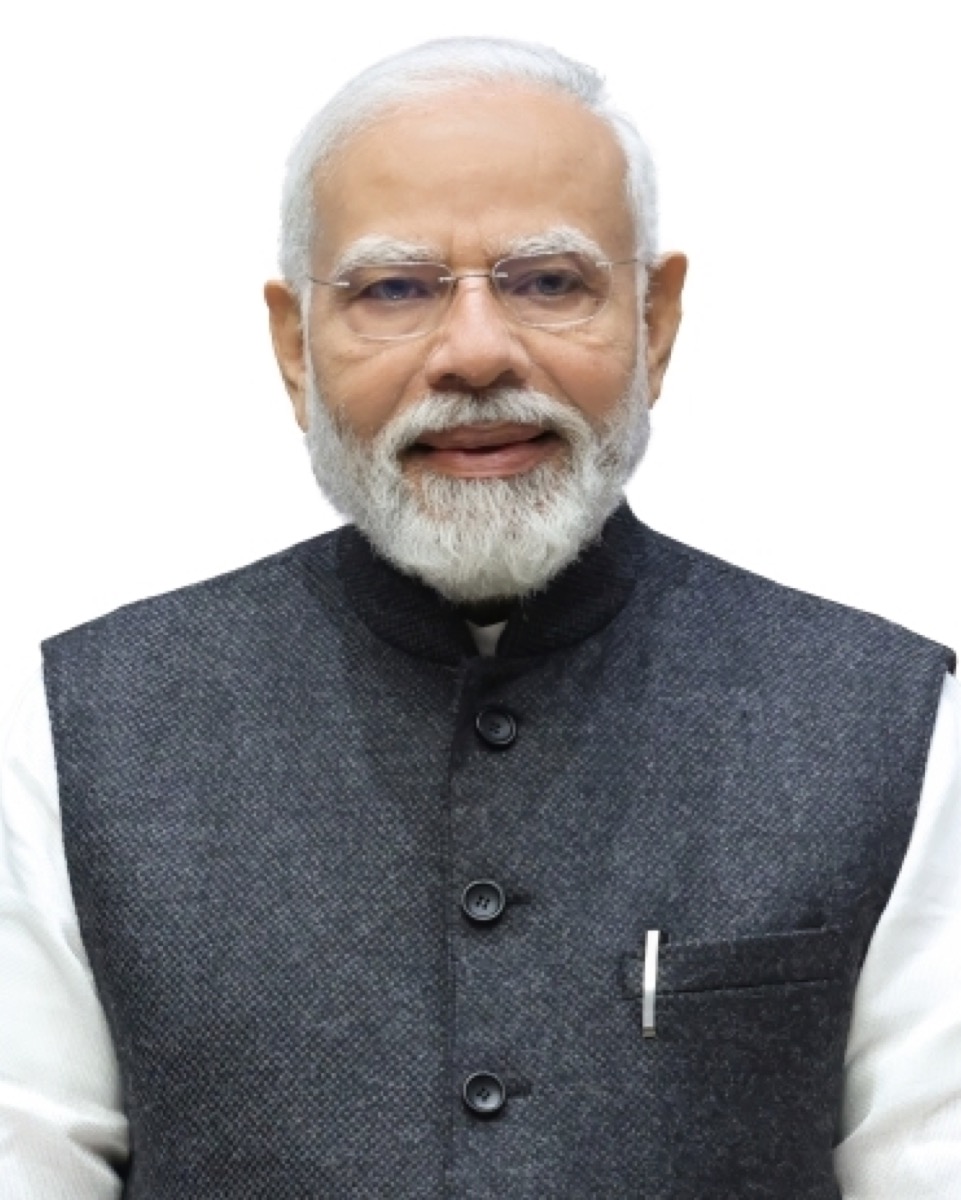
The opposition has strongly criticized Prime Minister Narendra Modi's appeal for women's reservation, linking it to the delimitation exercise. This decision has sparked fierce resistance from the opposition, who believe that delimitation could significantly alter the distribution of parliamentary seats among states, potentially benefiting the ruling party.
The opposition's stance on the matter has been met with criticism from former Maharashtra Chief Minister Devendra Fadnavis, who has termed their stand as 'hypocrisy'. Fadnavis' statement comes as a response to the opposition's claims that the centre's decision is motivated by a desire to gain an advantage in the distribution of parliamentary seats.
The delimitation exercise is a process of redrawing the boundaries of parliamentary and assembly constituencies. This exercise is typically carried out after the census, taking into account changes in population and demographic shifts. However, the opposition is concerned that linking women's reservation to delimitation could lead to a delay in the implementation of the quota.
The women's reservation bill has been a long-pending demand, aiming to provide 33% reservation to women in parliamentary and assembly seats. The bill has been passed in the Rajya Sabha but is still pending in the Lok Sabha. The opposition's criticism of the centre's decision highlights the complexities and challenges involved in implementing the women's quota.
The centre's decision to link women's reservation to delimitation has significant implications for the distribution of parliamentary seats among states. The opposition believes that this could lead to a disproportionate advantage to the ruling party, potentially altering the electoral landscape.
In the context of Indian politics, the women's reservation bill is a crucial piece of legislation that aims to promote gender equality and increase women's representation in parliament. The bill has been supported by various parties and organizations, but its implementation has been delayed due to various reasons.
The current debate surrounding the women's quota highlights the need for a consensus among political parties to ensure the passage of the bill. The opposition's criticism of the centre's decision underscores the importance of addressing their concerns and finding a solution that benefits all parties involved.
In conclusion, the opposition's criticism of Modi's women's quota appeal has sparked a heated debate in Indian politics. The centre's decision to link women's reservation to delimitation has significant implications for the distribution of parliamentary seats among states, and it remains to be seen how this issue will be resolved.
Frequently asked questions
What is the women's reservation bill?
The women's reservation bill aims to provide 33% reservation to women in parliamentary and assembly seats.
Why is the opposition criticizing the centre's decision?
The opposition believes that linking women's reservation to delimitation could lead to a disproportionate advantage to the ruling party, potentially altering the electoral landscape.