Nilekani Panel Seeks Public Input on Exam Reforms
Share your ideas, improve exams. Nilekani committee wants public feedback.
'%3E%3Crect%20width%3D'96'%20height%3D'96'%20fill%3D'%23B3261E'%2F%3E%3Ccircle%20cx%3D'30'%20cy%3D'24'%20r%3D'44'%20fill%3D'%23fff'%20opacity%3D'.12'%2F%3E%3Ccircle%20cx%3D'60'%20cy%3D'74'%20r%3D'40'%20fill%3D'%23000'%20opacity%3D'.10'%2F%3E%3C%2Fg%3E%3Cg%20fill%3D'%23fff'%3E%3Crect%20x%3D'29'%20y%3D'49'%20width%3D'8'%20height%3D'19'%20rx%3D'1'%2F%3E%3Crect%20x%3D'39'%20y%3D'40'%20width%3D'9'%20height%3D'28'%20rx%3D'1'%2F%3E%3Crect%20x%3D'50'%20y%3D'45'%20width%3D'8'%20height%3D'23'%20rx%3D'1'%2F%3E%3Crect%20x%3D'60'%20y%3D'53'%20width%3D'7'%20height%3D'15'%20rx%3D'1'%2F%3E%3Crect%20x%3D'41'%20y%3D'34'%20width%3D'5'%20height%3D'6'%2F%3E%3C%2Fg%3E%3C%2Fsvg%3E)
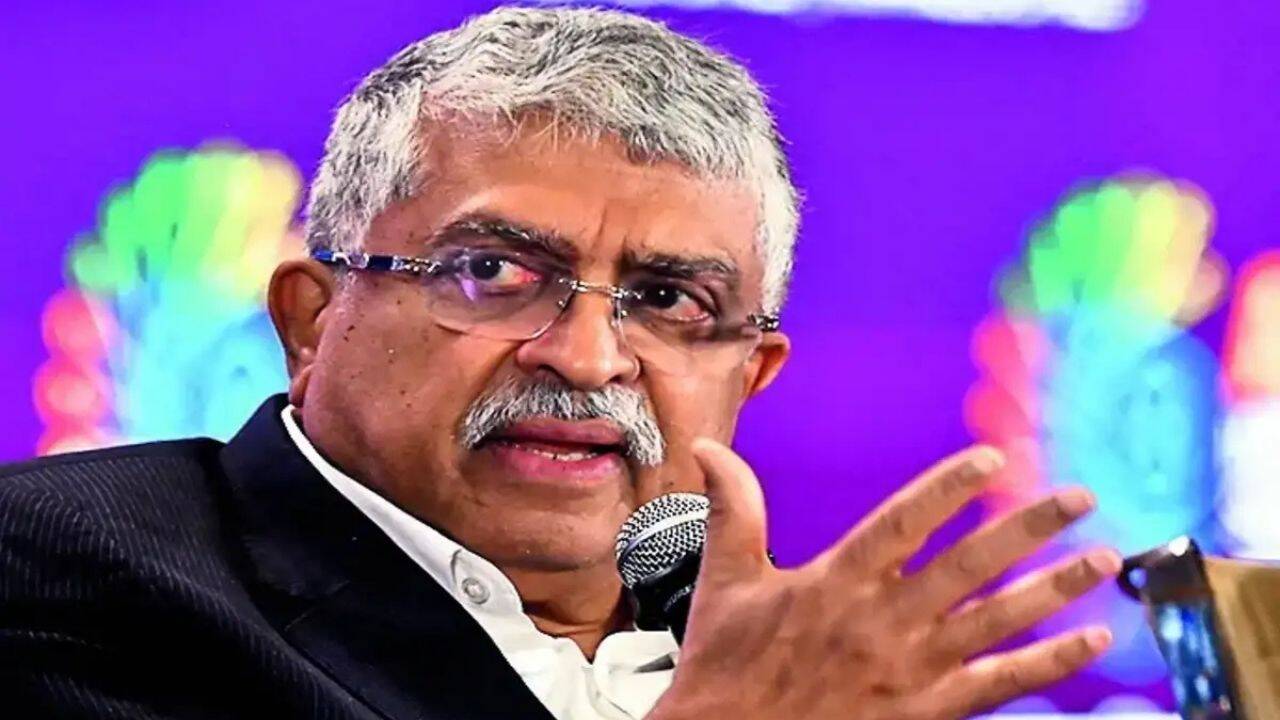
The Nilekani committee, led by Infosys co-founder Nandan Nilekani, is seeking public ideas to reform the examination system in India.
The committee was formed by Prime Minister Narendra Modi last month, following the NEET-UG paper leak controversy and subsequent youth protests. The panel aims to identify areas for improvement in the examination process and suggest measures to enhance accessibility and inclusion.
One of the key focus areas of the committee is to ensure student well-being during the examination process. The panel will examine the current examination system and identify potential reforms that can reduce stress and anxiety among students.
The committee's decision to seek public input is a significant step towards making the examination system more transparent and accountable. By inviting feedback from the public, the panel hopes to gather a wide range of perspectives and ideas that can inform its recommendations.
The NEET-UG paper leak controversy highlighted the need for urgent reforms in the examination system. The incident led to widespread protests and calls for greater transparency and accountability in the conduct of exams.
The Nilekani committee's terms of reference include examining the current examination system, identifying areas for improvement, and suggesting measures to enhance accessibility and inclusion. The panel will also look at ways to reduce stress and anxiety among students during the examination process.
The committee's recommendations are expected to have a significant impact on the examination system in India. By seeking public input and feedback, the panel hopes to create a more inclusive and student-friendly examination system.
The move to seek public input is a welcome step towards making the examination system more transparent and accountable. It is an opportunity for the public to contribute to the reform process and help create a better examination system for students.
In the coming weeks, the committee is expected to release a detailed plan for seeking public feedback and input. This will include details on how to submit suggestions and ideas, as well as the timeline for the feedback process.
The Nilekani committee's initiative to seek public input is a significant step towards creating a more inclusive and student-friendly examination system. By working together, the committee hopes to create a better future for students in India.
The examination system in India has been under scrutiny for some time, with many calling for reforms to make it more transparent and accountable. The Nilekani committee's initiative is a welcome step towards addressing these concerns and creating a more inclusive examination system.
In conclusion, the Nilekani committee's decision to seek public input on exam reforms is a significant step towards creating a more transparent and accountable examination system. The committee's recommendations are expected to have a significant impact on the examination system in India, and the public's input will play a crucial role in shaping these recommendations.
Frequently asked questions
What is the Nilekani committee's purpose?
The Nilekani committee aims to reform the examination system in India, focusing on accessibility, inclusion, and student well-being.
How can the public contribute to the reform process?
The committee will release a detailed plan for seeking public feedback and input, including details on how to submit suggestions and ideas.