Vihar Lake Closed to Public Since 1993
Mumbai's oldest lake, once a popular picnic spot, now restricted. Security and conservation regulations in place.
'%3E%3Crect%20width%3D'96'%20height%3D'96'%20fill%3D'%23B3261E'%2F%3E%3Ccircle%20cx%3D'30'%20cy%3D'24'%20r%3D'44'%20fill%3D'%23fff'%20opacity%3D'.12'%2F%3E%3Ccircle%20cx%3D'60'%20cy%3D'74'%20r%3D'40'%20fill%3D'%23000'%20opacity%3D'.10'%2F%3E%3C%2Fg%3E%3Cg%20fill%3D'%23fff'%3E%3Crect%20x%3D'29'%20y%3D'49'%20width%3D'8'%20height%3D'19'%20rx%3D'1'%2F%3E%3Crect%20x%3D'39'%20y%3D'40'%20width%3D'9'%20height%3D'28'%20rx%3D'1'%2F%3E%3Crect%20x%3D'50'%20y%3D'45'%20width%3D'8'%20height%3D'23'%20rx%3D'1'%2F%3E%3Crect%20x%3D'60'%20y%3D'53'%20width%3D'7'%20height%3D'15'%20rx%3D'1'%2F%3E%3Crect%20x%3D'41'%20y%3D'34'%20width%3D'5'%20height%3D'6'%2F%3E%3C%2Fg%3E%3C%2Fsvg%3E)
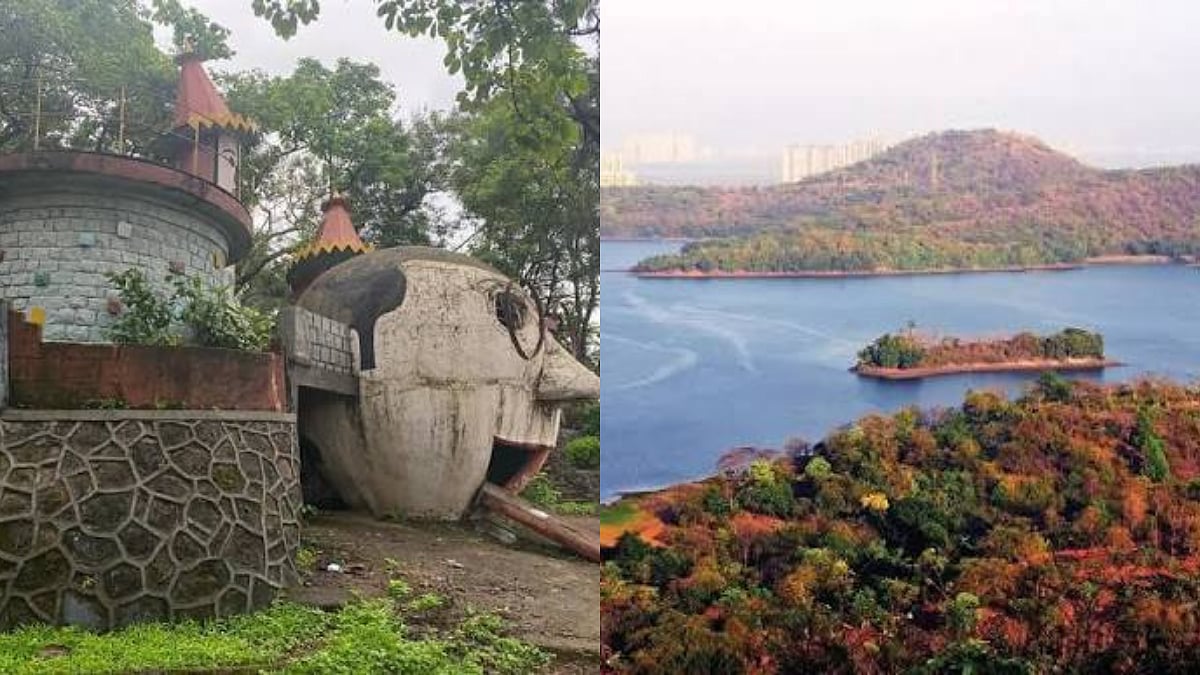
Mumbai's Vihar Lake, constructed in 1860, is the city's oldest and largest man-made reservoir, supplying drinking water to the city. Located near Vihar village in North Mumbai, it lies within the Sanjay Gandhi National Park.
The lake was once a cherished picnic spot, with families and nature lovers flocking to enjoy its scenic beauty and peaceful surroundings. However, since March 1993, public access to the lake has been prohibited due to security concerns and conservation regulations.
The Brihanmumbai Municipal Corporation (BMC) imposed strict restrictions following the 1993 Bombay serial blasts, given the lake's importance as a major source of Mumbai's drinking water. The lake is situated inside the protected limits of Sanjay Gandhi National Park, which falls under sensitive ecological and conservation zones.
Although the lake itself is inaccessible, the surrounding areas offer opportunities for nature photography, birdwatching, cycling, and short treks. A scenic 2-3 kilometre trail from Sahi Banguda village is popular among trekking enthusiasts who wish to experience the forest without entering the restricted reservoir zone.
Visitors are advised to remain cautious while exploring nearby areas, as the forest is home to crocodiles and other wild animals. Activities such as swimming and boating are strictly prohibited due to safety concerns and environmental regulations.
The lake's closure has been in place for over three decades, with access granted only with official permission. Despite being closed to the public, Vihar Lake remains one of Mumbai's most significant natural treasures, preserving both the city's lifeline and its rich biodiversity for future generations.
The lake's scenic beauty and importance as a water source make it a vital part of Mumbai's ecosystem. Efforts to conserve and protect the lake and its surroundings are crucial to maintaining the city's water supply and preserving its natural heritage.
In recent years, the lake has been in the news due to its overflow during the monsoon season, with the BMC imposing water cuts to ensure the city's water supply is managed efficiently. The lake's overflow is a significant event, with many Mumbaikars eagerly awaiting the news of the lake's water level reaching its maximum capacity.
The story of Vihar Lake serves as a reminder of the importance of conservation and protection of Mumbai's natural resources. The lake's closure to the public is a necessary measure to ensure the city's water supply is safe and secure, and its surrounding ecosystem is preserved for future generations.
In conclusion, Vihar Lake is a vital part of Mumbai's ecosystem, and its conservation is crucial to the city's water supply and natural heritage. Although it is no longer a popular picnic spot, the lake remains a significant natural treasure, hidden behind security barriers, preserving both the city's lifeline and its rich biodiversity for future generations.
Frequently asked questions
Why is Vihar Lake closed to the public?
Vihar Lake is closed due to security concerns and conservation regulations, following the 1993 Bombay serial blasts.
What activities are allowed near Vihar Lake?
Nature photography, birdwatching, cycling, and short treks are allowed in the surrounding areas, but swimming and boating are strictly prohibited.