Nutria Rodents Devastate US Wetlands
Giant rodents cause destruction, infrastructure risks. Millions in damages reported.
'%3E%3Crect%20width%3D'96'%20height%3D'96'%20fill%3D'%23B3261E'%2F%3E%3Ccircle%20cx%3D'30'%20cy%3D'24'%20r%3D'44'%20fill%3D'%23fff'%20opacity%3D'.12'%2F%3E%3Ccircle%20cx%3D'60'%20cy%3D'74'%20r%3D'40'%20fill%3D'%23000'%20opacity%3D'.10'%2F%3E%3C%2Fg%3E%3Cg%20fill%3D'%23fff'%3E%3Crect%20x%3D'29'%20y%3D'49'%20width%3D'8'%20height%3D'19'%20rx%3D'1'%2F%3E%3Crect%20x%3D'39'%20y%3D'40'%20width%3D'9'%20height%3D'28'%20rx%3D'1'%2F%3E%3Crect%20x%3D'50'%20y%3D'45'%20width%3D'8'%20height%3D'23'%20rx%3D'1'%2F%3E%3Crect%20x%3D'60'%20y%3D'53'%20width%3D'7'%20height%3D'15'%20rx%3D'1'%2F%3E%3Crect%20x%3D'41'%20y%3D'34'%20width%3D'5'%20height%3D'6'%2F%3E%3C%2Fg%3E%3C%2Fsvg%3E)
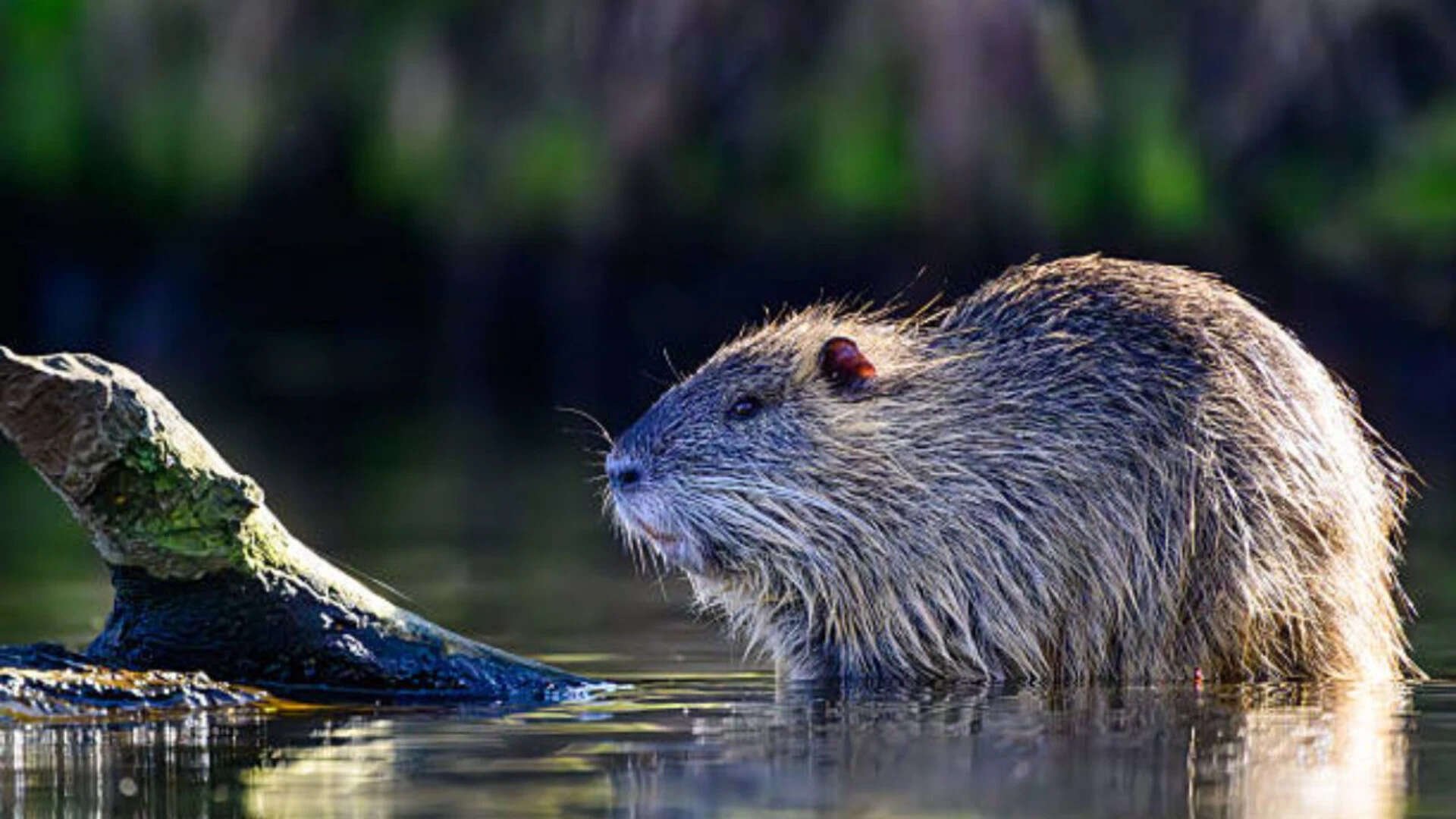
A large rodent species, known as nutria, has been wreaking havoc on US wetlands after being introduced for fur farming. The nutria, which are prolific breeders, have infested forty US states and Canada, causing significant damage to vital wetland vegetation and agricultural crops like rice.
The rodents' burrowing activities weaken levees and dams, posing risks to infrastructure and public safety. This has led to concerns among local authorities and residents, who are now working to control the nutria population. Eradication efforts involve trapping, detection dogs, and bounty programs to mitigate the damage caused by these invasive creatures.
The introduction of nutria for fur farming has had severe unintended consequences. The rodents have thrived in their new environments, leading to a significant decline in native vegetation and crops. Their burrowing has also compromised the structural integrity of levees and dams, putting public safety at risk.
The economic impact of the nutria infestation has been substantial, with millions of dollars in damages reported across affected regions. The damage to agricultural crops, such as rice, has been particularly significant, with many farmers struggling to recover from the losses.
In response to the crisis, local authorities have launched eradication efforts, which include trapping and bounty programs. Detection dogs are also being used to track and locate nutria populations, allowing for more targeted control measures. While these efforts are ongoing, it remains to be seen whether they will be sufficient to fully mitigate the damage caused by the nutria.
The nutria infestation serves as a cautionary tale about the dangers of introducing non-native species for commercial purposes. The unintended consequences of such actions can be severe and far-reaching, highlighting the need for careful consideration and planning before introducing new species to an environment.
In the context of the US, the nutria infestation has significant implications for wetland conservation and management. The damage caused by the rodents has highlighted the need for more effective measures to protect and preserve vital wetland ecosystems. This includes not only controlling invasive species but also implementing sustainable land-use practices and protecting native vegetation.
The situation also underscores the importance of public awareness and education about the risks associated with invasive species. By understanding the potential consequences of introducing non-native species, individuals can make more informed decisions and take steps to prevent similar crises in the future.
In conclusion, the nutria infestation in US wetlands is a complex and challenging issue, with significant economic, environmental, and public safety implications. While eradication efforts are ongoing, it is essential to address the root causes of the problem and work towards preventing similar crises in the future.
Frequently asked questions
What is the main cause of the nutria infestation in US wetlands?
The nutria were introduced for fur farming, which has led to their proliferation and infestation of US wetlands.
What are the economic impacts of the nutria infestation?
The nutria infestation has caused millions of dollars in damages across affected regions, primarily due to damage to agricultural crops like rice.