MP Waikar Seeks Action Against Illegal Construction Near Powai Lake
MP Ravindra Waikar urges NBWL to stop illegal construction near Powai Lake, citing threat to wildlife habitat.
'%3E%3Crect%20width%3D'96'%20height%3D'96'%20fill%3D'%23B3261E'%2F%3E%3Ccircle%20cx%3D'30'%20cy%3D'24'%20r%3D'44'%20fill%3D'%23fff'%20opacity%3D'.12'%2F%3E%3Ccircle%20cx%3D'60'%20cy%3D'74'%20r%3D'40'%20fill%3D'%23000'%20opacity%3D'.10'%2F%3E%3C%2Fg%3E%3Cg%20fill%3D'%23fff'%3E%3Crect%20x%3D'29'%20y%3D'49'%20width%3D'8'%20height%3D'19'%20rx%3D'1'%2F%3E%3Crect%20x%3D'39'%20y%3D'40'%20width%3D'9'%20height%3D'28'%20rx%3D'1'%2F%3E%3Crect%20x%3D'50'%20y%3D'45'%20width%3D'8'%20height%3D'23'%20rx%3D'1'%2F%3E%3Crect%20x%3D'60'%20y%3D'53'%20width%3D'7'%20height%3D'15'%20rx%3D'1'%2F%3E%3Crect%20x%3D'41'%20y%3D'34'%20width%3D'5'%20height%3D'6'%2F%3E%3C%2Fg%3E%3C%2Fsvg%3E)
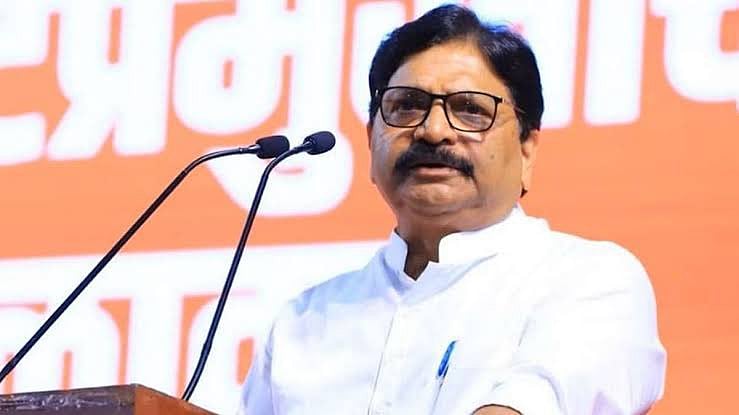
Mumbai North-West MP Ravindra Waikar has written to the National Board for Wildlife (NBWL) to intervene in the alleged illegal construction activities near Powai Lake, Paspoli, and Vihar Lake. The construction, Waikar claims, poses a significant threat to Mumbai's biodiversity and protected wildlife habitats.
The issue was brought to Waikar's attention by local residents and environmental groups, who complained about the ecological damage being caused in the area. Following a site inspection, Waikar found that the construction appeared to be unauthorized and was causing irreversible damage to the fragile ecosystem.
Waikar has alleged that the construction activities are in violation of the Wildlife (Protection) Act, 1972, and also contravene the Bombay High Court's 2022 directions issued for the protection of Powai Lake. He has sought immediate action to halt the alleged illegal developments and ensure strict compliance with environmental and wildlife protection laws.
The Powai Lake ecosystem is a crucial breeding and habitat zone for crocodiles, a Schedule I protected species under the Wildlife (Protection) Act. The construction activity and increasing noise pollution are endangering the reptiles and disturbing their natural habitat. The Paspoli and Vihar Lake belt also forms an important ecological corridor connected to the Sanjay Gandhi National Park, making any commercial or large-scale construction without prior approval from the NBWL a serious legal violation.
Waikar has also referred to a recent incident in which a crocodile had to be rescued from the affected area. He cited observations by the IIT Mumbai Birds group, which stated that the wetland supports several rare and threatened bird species listed on the IUCN Red List. The destruction of lakeside vegetation is eliminating vital nesting and feeding grounds for these birds.
Powai Lake is currently under consideration for recognition as a Ramsar Site, making the protection of its ecological integrity even more critical. Waikar has demanded an immediate stop to all construction in the area, an expert assessment of the impact on crocodiles and bird species, an inquiry into whether mandatory wildlife clearances were obtained, and stringent legal action under Section 51 of the Wildlife (Protection) Act, 1972, against officials and developers found responsible.
The MP has also called upon the Centre to intervene urgently and ensure the preservation of one of Mumbai's most valuable urban biodiversity zones. The matter has already been taken up with the Assistant Municipal Commissioner of the Brihanmumbai Municipal Corporation's S Ward and the National Green Tribunal.
The preservation of Powai Lake and its surrounding ecosystem is crucial for maintaining Mumbai's biodiversity. The lake and its surrounding areas are home to a wide range of flora and fauna, and any damage to the ecosystem could have long-term consequences for the environment.
The NBWL's intervention in the matter is crucial, as it is the apex body responsible for promoting the conservation and development of wildlife and their habitats. The board's action will determine the course of the conservation efforts and ensure that the ecological integrity of the area is protected.
In conclusion, the alleged illegal construction near Powai Lake poses a significant threat to Mumbai's biodiversity and protected wildlife habitats. MP Ravindra Waikar's intervention in the matter is a step in the right direction, and it is essential that the NBWL and the Centre take immediate action to halt the construction and preserve the ecological integrity of the area.
The preservation of urban wildlife habitats like Powai Lake is essential for maintaining the ecological balance of the city. It is crucial that the authorities take a proactive approach to conserve and protect these areas, and the citizens of Mumbai must also play a role in raising awareness about the importance of preserving the city's biodiversity.