SC Urges Restraint on Student Protesters
SC calls for calm, dialogue with students. Protests spark concern.
'%3E%3Crect%20width%3D'96'%20height%3D'96'%20fill%3D'%231A5276'%2F%3E%3Ccircle%20cx%3D'30'%20cy%3D'24'%20r%3D'44'%20fill%3D'%23fff'%20opacity%3D'.12'%2F%3E%3Ccircle%20cx%3D'60'%20cy%3D'74'%20r%3D'40'%20fill%3D'%23000'%20opacity%3D'.10'%2F%3E%3C%2Fg%3E%3Cg%20fill%3D'%23fff'%3E%3Cpath%20d%3D'M31%2041%20L48%2031%20L65%2041%20Z'%2F%3E%3Crect%20x%3D'33'%20y%3D'43'%20width%3D'4'%20height%3D'17'%2F%3E%3Crect%20x%3D'41'%20y%3D'43'%20width%3D'4'%20height%3D'17'%2F%3E%3Crect%20x%3D'51'%20y%3D'43'%20width%3D'4'%20height%3D'17'%2F%3E%3Crect%20x%3D'59'%20y%3D'43'%20width%3D'4'%20height%3D'17'%2F%3E%3Crect%20x%3D'30'%20y%3D'62'%20width%3D'36'%20height%3D'4'%20rx%3D'1'%2F%3E%3C%2Fg%3E%3C%2Fsvg%3E)
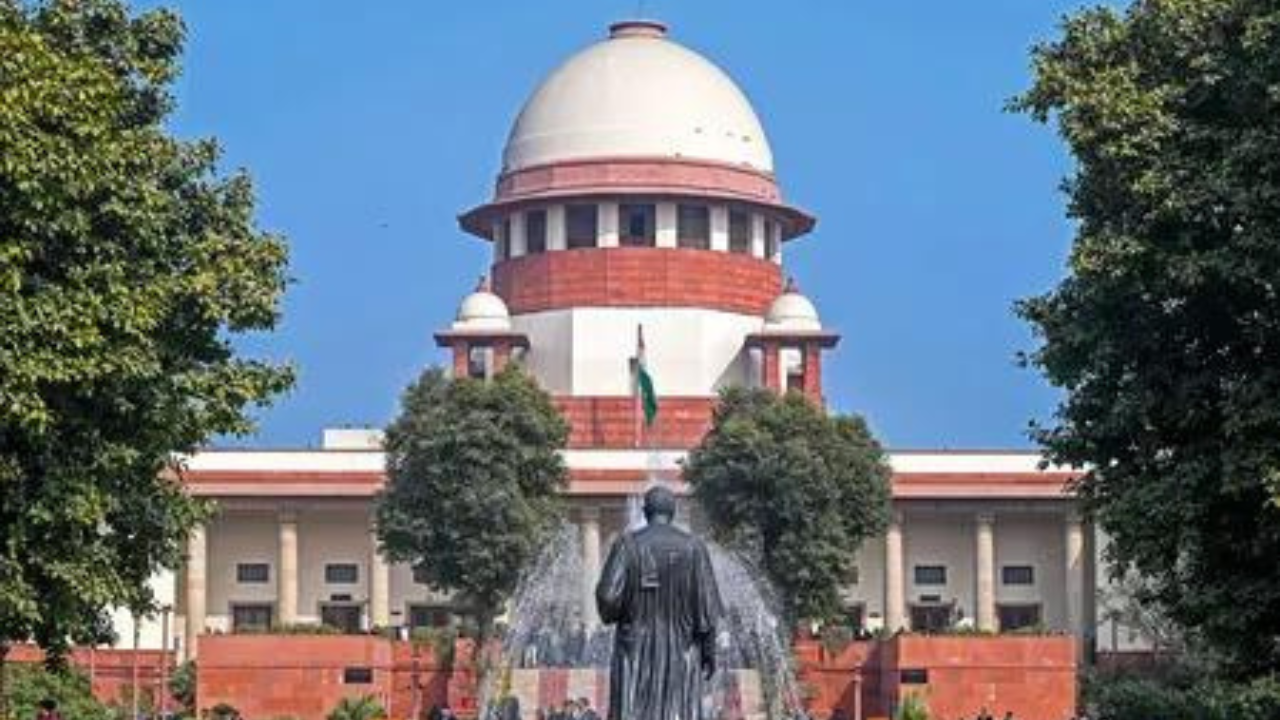
The Supreme Court has advised authorities to exercise restraint when dealing with student protesters, emphasizing the importance of dialogue and calm in resolving disputes.
This guidance comes as student protests have been on the rise, sparking concerns about the handling of these situations by law enforcement and educational institutions. The court's statement serves as a reminder of the need for a balanced approach that respects the rights of students to express their opinions while maintaining public order.
The Supreme Court's call for restraint is significant, as it acknowledges the importance of protecting the rights of students to peaceful protest. This approach is crucial in a democratic society, where the freedom of expression is a fundamental right. By urging authorities to tread carefully, the court is promoting a culture of dialogue and understanding.
Student protests often arise from grievances related to educational policies, social issues, or political matters. In recent times, these protests have highlighted the need for institutions to engage more effectively with student concerns. The Supreme Court's emphasis on dialogue underscores the importance of communication in resolving conflicts and addressing the underlying issues that lead to protests.
The court's statement also reflects a broader concern about the use of force in managing protests. There have been instances where the handling of student protests has been criticized for being excessive or disproportionate. By advocating for restraint, the Supreme Court is setting a precedent for how such situations should be managed, prioritizing de-escalation techniques and peaceful resolution over confrontation.
In the context of Indian democracy, the Supreme Court's guidance is particularly relevant. India has a long history of student movements playing a significant role in shaping public discourse and influencing policy changes. The court's call for restraint and dialogue recognizes the valuable contribution that student protests can make to the democratic process, while also emphasizing the need for these protests to be conducted in a peaceful and respectful manner.
The implications of the Supreme Court's statement are far-reaching. It not only serves as a directive to law enforcement agencies and educational institutions but also as a reminder to students of the importance of conducting protests in a way that respects the rights of others and maintains public order. By promoting a culture of dialogue and restraint, the court aims to foster an environment where student protests can be a constructive force for change, rather than a source of conflict.
In conclusion, the Supreme Court's advice to tread carefully when dealing with student protesters is a significant development. It highlights the importance of balancing the right to protest with the need to maintain public order, and it underscores the value of dialogue in resolving disputes. As India continues to navigate the complexities of democratic expression and public protest, the Supreme Court's guidance will play a crucial role in shaping the approach to student protests and promoting a culture of peaceful and respectful engagement.
Frequently asked questions
What has the Supreme Court advised regarding student protests?
The Supreme Court has advised authorities to exercise restraint and promote dialogue when dealing with student protesters.
Why is the Supreme Court's guidance on student protests significant?
The guidance is significant because it recognizes the importance of protecting the right to peaceful protest while maintaining public order, and it promotes a culture of dialogue and understanding.