Gandhi Medical College Promotes Acting Professors Over Associate Professors
Gandhi Medical College sparks controversy, promotes acting professors over eligible associate professors.
'%3E%3Crect%20width%3D'96'%20height%3D'96'%20fill%3D'%23B3261E'%2F%3E%3Ccircle%20cx%3D'30'%20cy%3D'24'%20r%3D'44'%20fill%3D'%23fff'%20opacity%3D'.12'%2F%3E%3Ccircle%20cx%3D'60'%20cy%3D'74'%20r%3D'40'%20fill%3D'%23000'%20opacity%3D'.10'%2F%3E%3C%2Fg%3E%3Cg%20fill%3D'%23fff'%3E%3Crect%20x%3D'29'%20y%3D'49'%20width%3D'8'%20height%3D'19'%20rx%3D'1'%2F%3E%3Crect%20x%3D'39'%20y%3D'40'%20width%3D'9'%20height%3D'28'%20rx%3D'1'%2F%3E%3Crect%20x%3D'50'%20y%3D'45'%20width%3D'8'%20height%3D'23'%20rx%3D'1'%2F%3E%3Crect%20x%3D'60'%20y%3D'53'%20width%3D'7'%20height%3D'15'%20rx%3D'1'%2F%3E%3Crect%20x%3D'41'%20y%3D'34'%20width%3D'5'%20height%3D'6'%2F%3E%3C%2Fg%3E%3C%2Fsvg%3E)
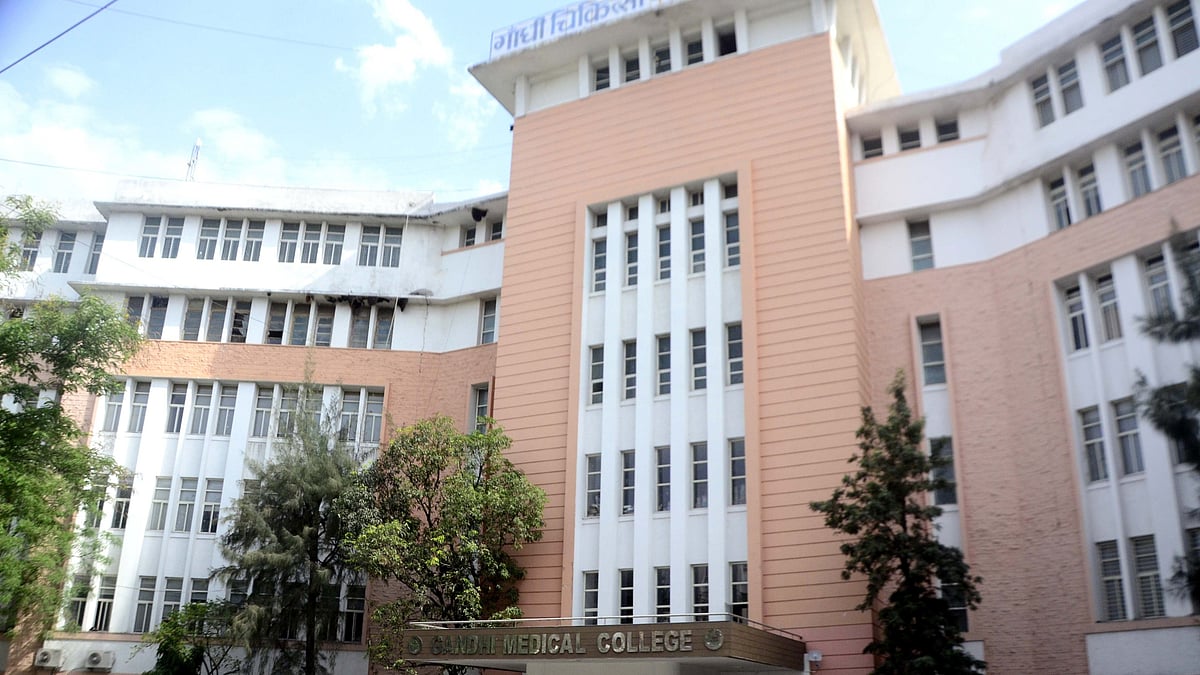
Gandhi Medical College in Bhopal, Madhya Pradesh, has promoted acting professors to full-fledged professors, allegedly overlooking eligible associate professors. This decision has triggered discontent among faculty members, particularly those from prominent departments such as cardiology, oncology, and endocrinology.
The promotion exercise has denied opportunities to associate professors who were expected to be promoted for the formation of super speciality departments at the college. According to doctors, the denial of promotions may hinder the formation of these departments, as the posts are required to be filled through promotions.
The National Medical Commission (NMC) stipulates three years of experience as the eligibility criterion for promotions. However, Gandhi Medical College has made five years of experience a condition, which has raised concerns among faculty members. The college administration also considered the confidential report (CR) of the head of department (HoD) while granting promotions.
Doctors and representatives of the Junior Doctors' Association (JUDA) have alleged that eligible associate professors were overlooked in the promotion exercise despite meeting the NMC norms. Endocrinologist Dr Manuj Sharma, an associate professor, stated that associate professors from four to five departments, including oncology, cardiology, and endocrinology, have been deprived of promotions.
JUDA president Dr Mahendra Singh, a resident doctor, expressed concerns over the promotion exercise, stating that acting professors like Surendra Raikwar and Dr Sabiha Sultana, a senior obstetrician and gynaecologist, were given priority over associate professors. Dr Singh noted that such acting professors were promoted instead of eligible associate professors.
The controversy surrounding the promotion exercise has raised questions about the transparency and fairness of the process. The decision to promote acting professors over associate professors has sparked discontent among faculty members, who feel that the eligibility criteria and promotion process should be revised to ensure fairness and transparency.
The formation of super speciality departments at Gandhi Medical College is crucial for providing specialized healthcare services to patients. However, the denial of promotions to eligible associate professors may hinder the formation of these departments, which could have long-term implications for healthcare services in the region.
In conclusion, the promotion exercise at Gandhi Medical College has sparked controversy and raised concerns about the transparency and fairness of the process. The decision to promote acting professors over associate professors has triggered discontent among faculty members, who feel that the eligibility criteria and promotion process should be revised to ensure fairness and transparency.
The incident highlights the need for a fair and transparent promotion process in medical colleges, which is essential for ensuring the career progression of faculty members and providing quality healthcare services to patients. The controversy surrounding the promotion exercise at Gandhi Medical College serves as a reminder of the importance of adhering to established norms and criteria in promotion exercises, and the need for transparency and fairness in decision-making processes.
The National Medical Commission (NMC) norms and the health department's report are crucial in determining the eligibility of faculty members for promotions. However, the decision to promote acting professors over associate professors has raised questions about the application of these norms and the fairness of the promotion process.
The Junior Doctors' Association (JUDA) has expressed concerns over the promotion exercise, and the incident highlights the need for greater transparency and fairness in promotion processes in medical colleges. The controversy surrounding the promotion exercise at Gandhi Medical College serves as a reminder of the importance of ensuring that promotion processes are fair, transparent, and based on established norms and criteria.
The incident has sparked discontent among faculty members, who feel that the eligibility criteria and promotion process should be revised to ensure fairness and transparency. The decision to promote acting professors over associate professors has raised questions about the transparency and fairness of the process, and the need for a fair and transparent promotion process in medical colleges.
In the end, the promotion exercise at Gandhi Medical College has highlighted the need for a fair and transparent promotion process, which is essential for ensuring the career progression of faculty members and providing quality healthcare services to patients. The incident serves as a reminder of the importance of adhering to established norms and criteria in promotion exercises, and the need for transparency and fairness in decision-making processes.
The controversy surrounding the promotion exercise has raised concerns about the impact on the formation of super speciality departments at the college. The denial of promotions to eligible associate professors may hinder the formation of these departments, which could have long-term implications for healthcare services in the region.
The incident highlights the need for a fair and transparent promotion process in medical colleges, which is essential for ensuring the career progression of faculty members and providing quality healthcare services to patients. The controversy surrounding the promotion exercise at Gandhi Medical College serves as a reminder of the importance of adhering to established norms and criteria in promotion exercises, and the need for transparency and fairness in decision-making processes.
The National Medical Commission (NMC) norms and the health department's report are crucial in determining the eligibility of faculty members for promotions. However, the decision to promote acting professors over associate professors has raised questions about the application of these norms and the fairness of the promotion process.
The Junior Doctors' Association (JUDA) has expressed concerns over the promotion exercise, and the incident highlights the need for greater transparency and fairness in promotion processes in medical colleges. The controversy surrounding the promotion exercise at Gandhi Medical College serves as a reminder of the importance of ensuring that promotion processes are fair, transparent, and based on established norms and criteria.
The incident has sparked discontent among faculty members, who feel that the eligibility criteria and promotion process should be revised to ensure fairness and transparency. The decision to promote acting professors over associate professors has raised questions about the transparency and fairness of the process, and the need for a fair and transparent promotion process in medical colleges.
In conclusion, the promotion exercise at Gandhi Medical College has highlighted the need for a fair and transparent promotion process, which is essential for ensuring the career progression of faculty members and providing quality healthcare services to patients. The incident serves as a reminder of the importance of adhering to established norms and criteria in promotion exercises, and the need for transparency and fairness in decision-making processes.
The controversy surrounding the promotion exercise has significant implications for the medical college and the healthcare services it provides. The denial of promotions to eligible associate professors may hinder the formation of super speciality departments, which could have long-term implications for healthcare services in the region.
The incident highlights the need for a fair and transparent promotion process in medical colleges, which is essential for ensuring the career progression of faculty members and providing quality healthcare services to patients. The controversy surrounding the promotion exercise at Gandhi Medical College serves as a reminder of the importance of adhering to established norms and criteria in promotion exercises, and the need for transparency and fairness in decision-making processes.
For Gandhi Medical College, the controversy surrounding the promotion exercise is a significant issue that needs to be addressed. The college administration must ensure that the promotion process is fair, transparent, and based on established norms and criteria. The incident highlights the need for greater transparency and fairness in promotion processes in medical colleges, and the importance of adhering to established norms and criteria in promotion exercises.
In the end, the promotion exercise at Gandhi Medical College has highlighted the need for a fair and transparent promotion process, which is essential for ensuring the career progression of faculty members and providing quality healthcare services to patients. The incident serves as a reminder of the importance of adhering to established norms and criteria in promotion exercises, and the need for transparency and fairness in decision-making processes.
The controversy surrounding the promotion exercise has significant implications for the medical college and the healthcare services it provides. The denial of promotions to eligible associate professors may hinder the formation of super speciality departments, which could have long-term implications for healthcare services in the region.
The incident highlights the need for a fair and transparent promotion process in medical colleges, which is essential for ensuring the career progression of faculty members and providing quality healthcare services to patients. The controversy surrounding the promotion exercise at Gandhi Medical College serves as a reminder of the importance of adhering to established norms and criteria in promotion exercises, and the need for transparency and fairness in decision-making processes.
The National Medical Commission (NMC) norms and the health department's report are crucial in determining the eligibility of faculty members for promotions. However, the decision to promote acting professors over associate professors has raised questions about the application of these norms and the fairness of the promotion process.
The Junior Doctors' Association (JUDA) has expressed concerns over the promotion exercise, and the incident highlights the need for greater transparency and fairness in promotion processes in medical colleges. The controversy surrounding the promotion exercise at Gandhi Medical College serves as a reminder of the importance of ensuring that promotion processes are fair, transparent, and based on established norms and criteria.
The incident has sparked discontent among faculty members, who feel that the eligibility criteria and promotion process should be revised to ensure fairness and transparency. The decision to promote acting professors over associate professors has raised questions about the transparency and fairness of the process, and the need for a fair and transparent promotion process in medical colleges.
In conclusion, the promotion exercise at Gandhi Medical College has highlighted the need for a fair and transparent promotion process, which is essential for ensuring the career progression of faculty members and providing quality healthcare services to patients. The incident serves as a reminder of the importance of adhering to established norms and criteria in promotion exercises, and the need for transparency and fairness in decision-making processes.
What it means for Mumbai is that the controversy surrounding the promotion exercise at Gandhi Medical College has significant implications for the medical education and healthcare services in the country. The incident highlights the need for a fair and transparent promotion process in medical colleges, which is essential for ensuring the career progression of faculty members and providing quality healthcare services to patients.
The controversy surrounding the promotion exercise has raised concerns about the impact on the formation of super speciality departments at the college. The denial of promotions to eligible associate professors may hinder the formation of these departments, which could have long-term implications for healthcare services in the region.
The incident highlights the need for a fair and transparent promotion process in medical colleges, which is essential for ensuring the career progression of faculty members and providing quality healthcare services to patients. The controversy surrounding the promotion exercise at Gandhi Medical College serves as a reminder of the importance of adhering to established norms and criteria in promotion exercises, and the need for transparency and fairness in decision-making processes.
In the end, the promotion exercise at Gandhi Medical College has highlighted the need for a fair and transparent promotion process, which is essential for ensuring the career progression of faculty members and providing quality healthcare services to patients. The incident serves as a reminder of the importance of adhering to established norms and criteria in promotion exercises, and the need for transparency and fairness in decision-making processes.
Frequently asked questions
What is the controversy surrounding the promotion exercise at Gandhi Medical College?
The controversy surrounds the promotion of acting professors over eligible associate professors, despite the latter meeting the National Medical Commission (NMC) norms.
What are the implications of the controversy for the medical college and healthcare services?
The controversy may hinder the formation of super speciality departments, which could have long-term implications for healthcare services in the region.