Bombay HC Asks State to Review RTE Refund Process
Bombay HC intervenes in RTE refund delay. State to review process.
'%3E%3Crect%20width%3D'96'%20height%3D'96'%20fill%3D'%23B3261E'%2F%3E%3Ccircle%20cx%3D'30'%20cy%3D'24'%20r%3D'44'%20fill%3D'%23fff'%20opacity%3D'.12'%2F%3E%3Ccircle%20cx%3D'60'%20cy%3D'74'%20r%3D'40'%20fill%3D'%23000'%20opacity%3D'.10'%2F%3E%3C%2Fg%3E%3Cg%20fill%3D'%23fff'%3E%3Crect%20x%3D'29'%20y%3D'49'%20width%3D'8'%20height%3D'19'%20rx%3D'1'%2F%3E%3Crect%20x%3D'39'%20y%3D'40'%20width%3D'9'%20height%3D'28'%20rx%3D'1'%2F%3E%3Crect%20x%3D'50'%20y%3D'45'%20width%3D'8'%20height%3D'23'%20rx%3D'1'%2F%3E%3Crect%20x%3D'60'%20y%3D'53'%20width%3D'7'%20height%3D'15'%20rx%3D'1'%2F%3E%3Crect%20x%3D'41'%20y%3D'34'%20width%3D'5'%20height%3D'6'%2F%3E%3C%2Fg%3E%3C%2Fsvg%3E)
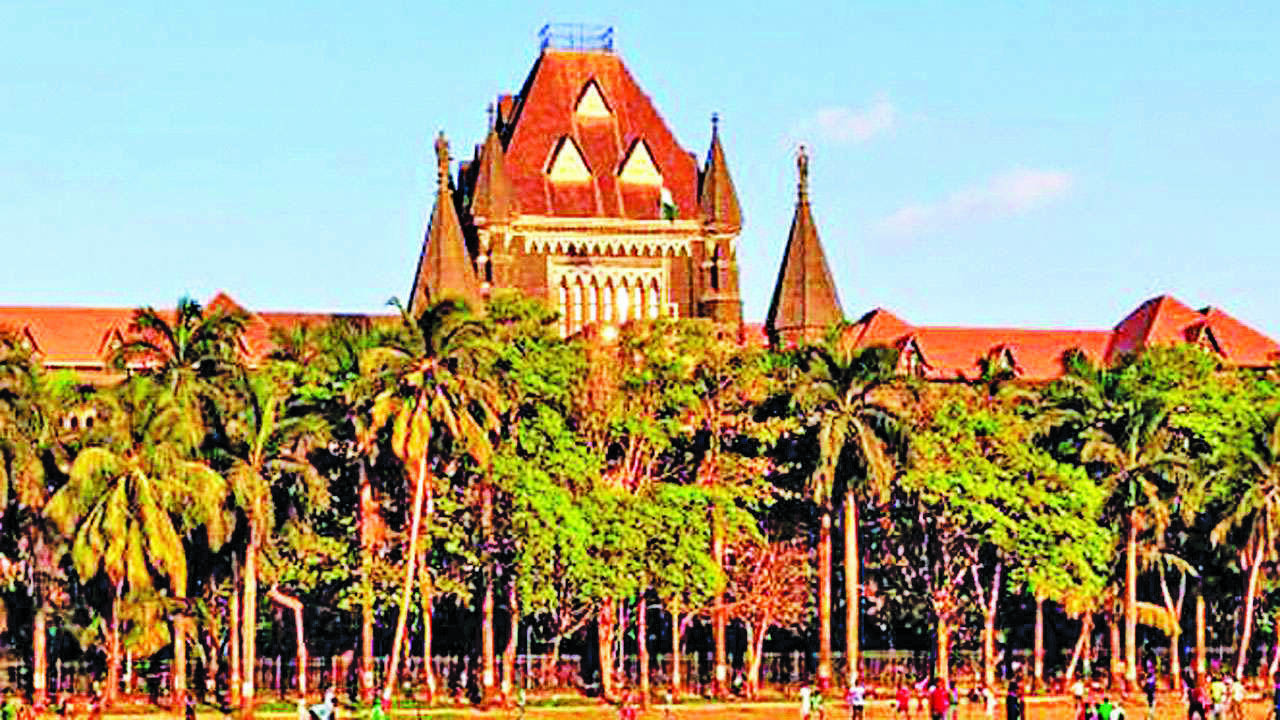
The Bombay High Court has directed the state government to review the process of refunding private unaided schools under the Right to Education (RTE) Act. This comes after several private schools complained of prolonged delays in receiving reimbursements for admitting students from disadvantaged backgrounds.
The RTE Act mandates that private unaided schools reserve 25% of their seats for students from economically weaker sections. The state government is responsible for reimbursing these schools for the expenses incurred in educating these students. However, many schools have reported delays of up to two years in receiving these reimbursements.
The court's directive is a response to a petition filed by a group of private schools, seeking relief from the delays. The petitioners argued that the delays were causing financial hardship to the schools, making it difficult for them to continue admitting students under the RTE quota.
The state government has been asked to review the refund process and submit a report to the court within a specified timeframe. The court has also directed the government to consider implementing a more efficient system for reimbursing private schools.
The RTE Act was enacted in 2010 with the aim of providing free and compulsory education to all children between the ages of 6 and 14. While the act has been successful in increasing enrollment rates, its implementation has been marred by delays and inefficiencies.
In Maharashtra, the implementation of the RTE Act is overseen by the state education department. The department is responsible for verifying the eligibility of students and processing the reimbursement claims of private schools. However, the process has been plagued by delays and bureaucratic red tape, causing frustration among private schools.
The Bombay High Court's intervention is seen as a significant step towards addressing the issues faced by private schools under the RTE Act. The court's directive is expected to prompt the state government to take corrective measures and streamline the refund process.
The outcome of this case will have significant implications for the implementation of the RTE Act in Maharashtra. If the state government is able to implement a more efficient refund system, it could lead to an increase in the number of private schools participating in the RTE program, ultimately benefiting more students from disadvantaged backgrounds.
In conclusion, the Bombay High Court's directive to the state government to review the RTE refund process is a welcome move. It highlights the need for a more efficient and transparent system for reimbursing private schools, and is a step towards ensuring that the RTE Act is implemented effectively in Maharashtra.
Frequently asked questions
What is the RTE Act and how does it affect private schools?
The RTE Act mandates that private unaided schools reserve 25% of their seats for students from economically weaker sections, and the state government reimburses these schools for the expenses incurred.
Why have private schools been facing delays in receiving reimbursements under the RTE Act?
The delays are due to bureaucratic red tape and inefficiencies in the refund process, which has caused financial hardship to the schools.