US Disables Oil Tanker Bound for Iran
US forces take action, Iran warns of disruption
'%3E%3Crect%20width%3D'96'%20height%3D'96'%20fill%3D'%234A235A'%2F%3E%3Ccircle%20cx%3D'30'%20cy%3D'24'%20r%3D'44'%20fill%3D'%23fff'%20opacity%3D'.12'%2F%3E%3Ccircle%20cx%3D'60'%20cy%3D'74'%20r%3D'40'%20fill%3D'%23000'%20opacity%3D'.10'%2F%3E%3C%2Fg%3E%3Cg%20fill%3D'none'%20stroke%3D'%23fff'%20stroke-width%3D'3'%3E%3Ccircle%20cx%3D'48'%20cy%3D'48'%20r%3D'16'%2F%3E%3Cellipse%20cx%3D'48'%20cy%3D'48'%20rx%3D'6.5'%20ry%3D'16'%2F%3E%3Cline%20x1%3D'32'%20y1%3D'42'%20x2%3D'64'%20y2%3D'42'%2F%3E%3Cline%20x1%3D'32'%20y1%3D'54'%20x2%3D'64'%20y2%3D'54'%2F%3E%3C%2Fg%3E%3C%2Fsvg%3E)

A significant escalation in the naval blockade of Iran occurred as US forces disabled an oil tanker attempting to reach Iran's Kharg Island port. This incident happened during the initial phase of the reinstated blockade, marking a strong stance by the US against vessels violating the embargo.
The oil tanker in question had ignored multiple warnings issued by the US, prompting the decision to disable it. This action underscores the seriousness with which the US is enforcing the blockade, aiming to curb Iran's ability to receive shipments that could bolster its military capabilities or economy.
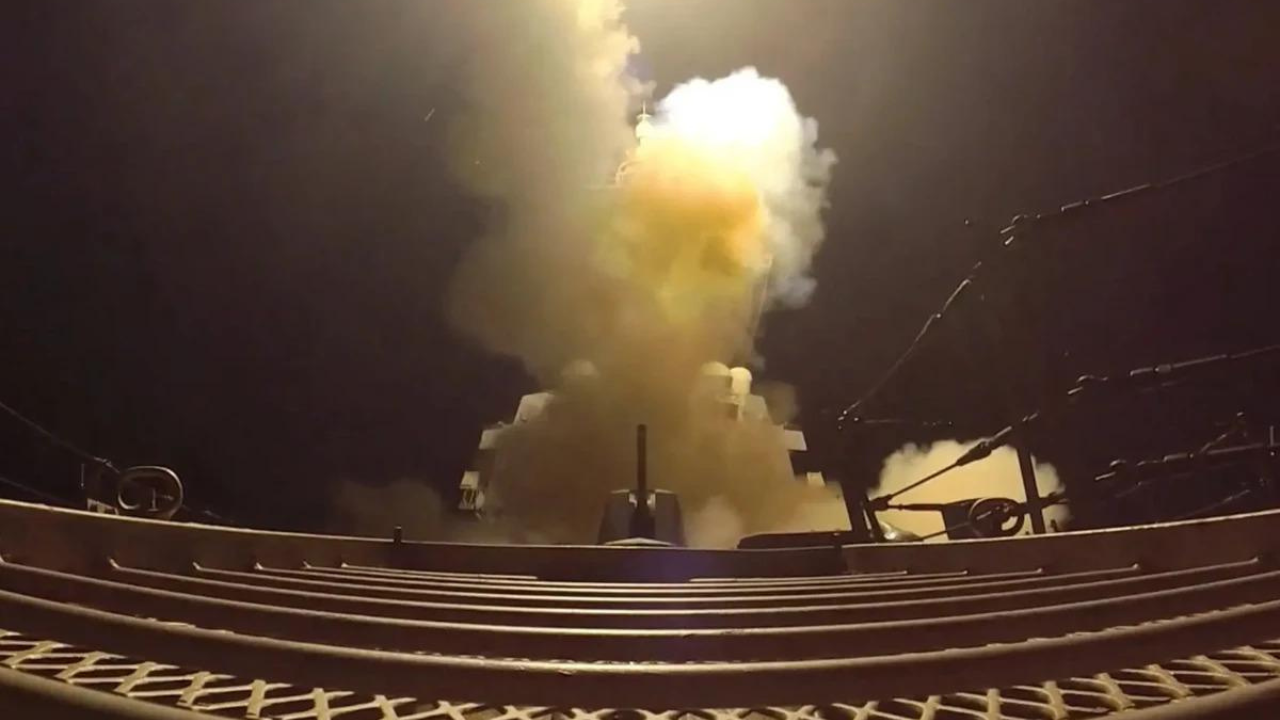
In addition to the disabling of the oil tanker, US forces also conducted strikes against Iranian military targets in the region. These strikes are part of a broader strategy to weaken Iran's military capabilities and reinforce the blockade's effectiveness.
Iran has vehemently condemned the naval blockade, viewing it as an act of aggression and a threat to its sovereignty. The Iranian government has warned that such actions could lead to wider disruptions in the global energy market, potentially affecting oil prices and supply chains worldwide.
The context of this incident is deeply intertwined with the geopolitical tensions between the US and Iran. The reinstatement of the naval blockade is a response to concerns over Iran's military activities and its compliance with international agreements. The blockade aims to restrict Iran's access to resources that could be used to enhance its military capabilities, particularly in the development of nuclear weapons and ballistic missiles.
The international community is closely watching the developments in the region, given the potential for escalation and the impact on global energy markets. The situation highlights the complex and volatile nature of Middle Eastern geopolitics, where actions by one nation can have far-reaching consequences for others.
The disabling of the oil tanker and the strikes against Iranian military capabilities mark a significant moment in the enforcement of the naval blockade. It demonstrates the US's commitment to its strategic objectives in the region and its willingness to take concrete actions to achieve them.
In terms of global implications, the escalation of the blockade and the responses from Iran could lead to increased tensions in the Middle East. This, in turn, might affect not only the regional stability but also have repercussions on the global economy, particularly in the energy sector.
The situation between the US and Iran remains highly volatile, with each side taking measures that the other perceives as provocative. As the standoff continues, the international community holds its breath, awaiting the next move and hoping for a resolution that avoids further conflict.
The significance of this event for India and the broader international community lies in its potential to disrupt global energy supplies and exacerbate geopolitical tensions. As a major consumer of oil, India is particularly vulnerable to fluctuations in the global energy market, making the situation in the Middle East of considerable interest and concern.
In conclusion, the US's decision to disable an oil tanker heading to Iran and launch strikes against Iranian military capabilities is a significant development in the ongoing geopolitical saga between the two nations. The move is part of a broader strategy to enforce a naval blockade and curb Iran's military ambitions, but it also carries the risk of escalating tensions and disrupting global energy markets.