
Bengali Food in Mumbai: Fish Curry, Kosha Mangsho & Mishti
Where to eat Bengali food in Mumbai: kosha mangsho, macher jhol, daab chingri and rosogolla at Oh! Calcutta, Peetuk and Durga Puja pandals, with prices.
'%3E%3Crect%20width%3D'96'%20height%3D'96'%20fill%3D'%23E65100'%2F%3E%3Ccircle%20cx%3D'30'%20cy%3D'24'%20r%3D'44'%20fill%3D'%23fff'%20opacity%3D'.12'%2F%3E%3Ccircle%20cx%3D'60'%20cy%3D'74'%20r%3D'40'%20fill%3D'%23000'%20opacity%3D'.10'%2F%3E%3C%2Fg%3E%3Cg%3E%3Ccircle%20cx%3D'48'%20cy%3D'48'%20r%3D'15'%20fill%3D'none'%20stroke%3D'%23fff'%20stroke-width%3D'3'%2F%3E%3Cpath%20fill%3D'%23fff'%20d%3D'M48%2037%20l3.5%2011%20-3.5%2011%20-3.5%20-11%20z'%2F%3E%3Ccircle%20cx%3D'48'%20cy%3D'48'%20r%3D'2.2'%20fill%3D'%23fff'%2F%3E%3C%2Fg%3E%3C%2Fsvg%3E)
The Top 9
- 01
Oh! Calcutta
Tardeo (also Khar West) ₹1,600–2,200 for two (approx)Go for: The city's benchmark for fine-dining Bengali — daab chingri, kosha mangsho, Calcutta fish fry, luchi–aloor dum and nolen gur ice cream.
Best for a special meal; go for the hilsa/ilish when it's in season (monsoon) and reserve on weekends.
- 02
25 Parganas
Sahara Star hotel, Vile Parle East ₹2,200–3,000 for two (approx)Go for: Mumbai's five-star Bengali room — panchphoron-driven classics, chingri malai curry and kosha mangsho in a polished setting.
Dinner-only (opens around 7pm); handy for a smart meal right by the domestic airport.
- 03
The Calcutta Club
Powai (also Oshiwara/Andheri West & Khar West) ₹700–1,100 for two (approx)Go for: One of Mumbai's oldest Bengali restaurants (since ~2005) — kosha mangsho, chingri malai curry and Kolkata-style biryani at mid-range prices.
Great value everyday Bengali; pair the mutton kosha with luchi.
- 04
Bhojohori Manna
Oshiwara, Andheri West ₹800–1,200 for two (approx)Go for: Home-style Bengali brought over from Kolkata — shorshe ilish, aar maach, daab chingri, kosha mangsho and mishti pulao.
Order the seasonal fish (hilsa in the rains) and keep it simple — this is comfort, not fine dining.
- 05
Peetuk
Multiple: Powai, Lower Parel, Oshiwara, Kandivali East, Goregaon ₹500–900 for two (approx)Go for: Casual 'Madly Bengali' kitchen — mutton kosha, fish fry, kathi rolls, biryani and value thalis.
Reliable for delivery; the mutton-kosha thali is an easy first order.
- 06
Bijoli Grill
Powai (Hiranandani) & Kandivali East ₹700–1,000 for two (approx)Go for: Mumbai outpost of the Kolkata institution — Bengali chops and cutlets, fish kabiraji, kosha mangsho and biryani.
Come for the food, not the frills; the chops/cutlets and mutton kosha are the picks.
- 07
Hangla's
Oshiwara (Andheri West), Powai, Goregaon, Malad (8+ outlets) ₹250–450 for two (approx)Go for: Kolkata street food done right — chicken/mutton kathi rolls, chicken chaap, mutton keema roll and momos.
Budget quick-eat; the egg-chicken roll and chaap are the move.
- 08
Sweet Bengal
20+ outlets (Dadar central kitchen; Powai, Bandra, Malad, Chembur) ₹150–400 per box (approx)Go for: Mumbai's go-to Bengali mishti chain — nolen gur sandesh, mishti doi, rosogolla and kheer kodom, made fresh daily.
In winter, grab the seasonal nolen gur (date-palm jaggery) sweets — that's when they shine.
- 09
Sandesh Bengali Sweets
Mahim ₹150–350 for sweets (approx)Go for: One of the city's older Bengali sweet shops — sandesh, rosogolla, cham cham and kala jamun.
An old-school counter for a quick mishti fix; good sandesh and rosogolla to take home.
Ranked by our Mumbai desk · prices are approximate — confirm before you go.
TL;DR: Mumbai’s Bengali food lives mostly in the western suburbs and Powai, with old-guard names like Oh! Calcutta (Tardeo) and home-style spots like Peetuk (Powai) leading the pack. Come for macher jhol, kosha mangsho and daab chingri; stay for the rosogolla, mishti doi and nolen gurer sandesh — and time a visit around Durga Puja for pandal bhog and kathi rolls.
Bengali cooking is quietly one of the most rewarding cuisines in Mumbai, and one of the easiest to miss. It does not have the street-corner ubiquity of vada pav or the marquee glow of the city’s Mughlai kebab houses. Instead it clusters — around the Bengali households of the western suburbs and Powai, in a handful of dedicated restaurants, and, most gloriously, in the tents that go up every autumn for Durga Puja. This is a guide to finding all of it, working out what to order, and understanding what you should reasonably expect to pay.
At a glance: where to eat Bengali in Mumbai
Use this as a shortlist, not gospel — Bengali outlets in Mumbai open, close and relocate more than most, so confirm before you travel. Prices are per-head bands for a satisfying meal, drinks aside.
| Where | Area | Roughly per head | Best for |
|---|---|---|---|
| Oh! Calcutta | Tardeo + suburban outlets | ₹800–1,400 | A full sit-down Bengali spread, first-timers |
| Peetuk | Powai / Hiranandani | ₹500–900 | Home-style everyday cooking, comfort food |
| 25 Parganas | Sahara Star, near Vile Parle | ₹1,200+ | Special occasions, elaborate plates |
| Andheri Bengali kitchens | Andheri (west) | ₹400–900 | Thali meals, vegetarian bhog-style spreads |
| Cloud kitchens / tiffins | Across the suburbs | ₹300–600 | Trying the food at home, no booking needed |
| Durga Puja pandals | Powai, Bandra + suburbs | ₹100–400 (stalls) | The most authentic food of the year |
What Bengali food actually is
If your only reference for Indian food is heavy, cream-laden North Indian gravies, Bengali cooking will surprise you. It is lighter, subtler, built around fish, rice, mustard, and a distinctive five-spice blend called panch phoron — cumin, nigella, fennel, fenugreek and mustard seeds tempered whole in hot oil. Meals are structured, eaten in a deliberate order from bitter to sweet, and portions of any single dish tend to be modest because you are expected to eat several. Get your bearings with a few things worth knowing by name.
The fish, which is the whole point
Fish is not a category in a Bengali meal; it is the meal. Learn these and you can order confidently anywhere in the city.
- Macher jhol — the everyday fish curry, a thin, turmeric-and-ginger broth with pieces of fish (often rohu or catla) and potato. Homely, restorative, the taste of a Bengali weekday.
- Shorshe ilish / shorshe maach — fish in a pungent mustard sauce; ilish (hilsa) is the prized, bone-heavy monsoon fish that Bengalis are famously obsessive about. It is all delicate flesh and fine bones, and eating it well is a skill worth the mess.
- Daab chingri — prawns cooked in a coconut gravy, sometimes served inside a tender coconut shell. A restaurant favourite and a reliable showpiece.
- Chingri malai curry — prawns in a rich, sweet coconut-milk gravy, the celebratory cousin of the everyday jhol.
- Fish fry / fish kabiraji — cutlet-style crumbed fish, often bhetki, a colonial-era hangover that Bengalis perfected. The lightest, most crowd-pleasing way in.
Because Mumbai sits on its own generous coastline, several of these overlap happily with the city’s wider fish traditions — if you want to understand where the raw material comes from and how the rest of Mumbai treats it, our guide to seafood restaurants in Mumbai is a natural companion read.
The meat and the rich stuff
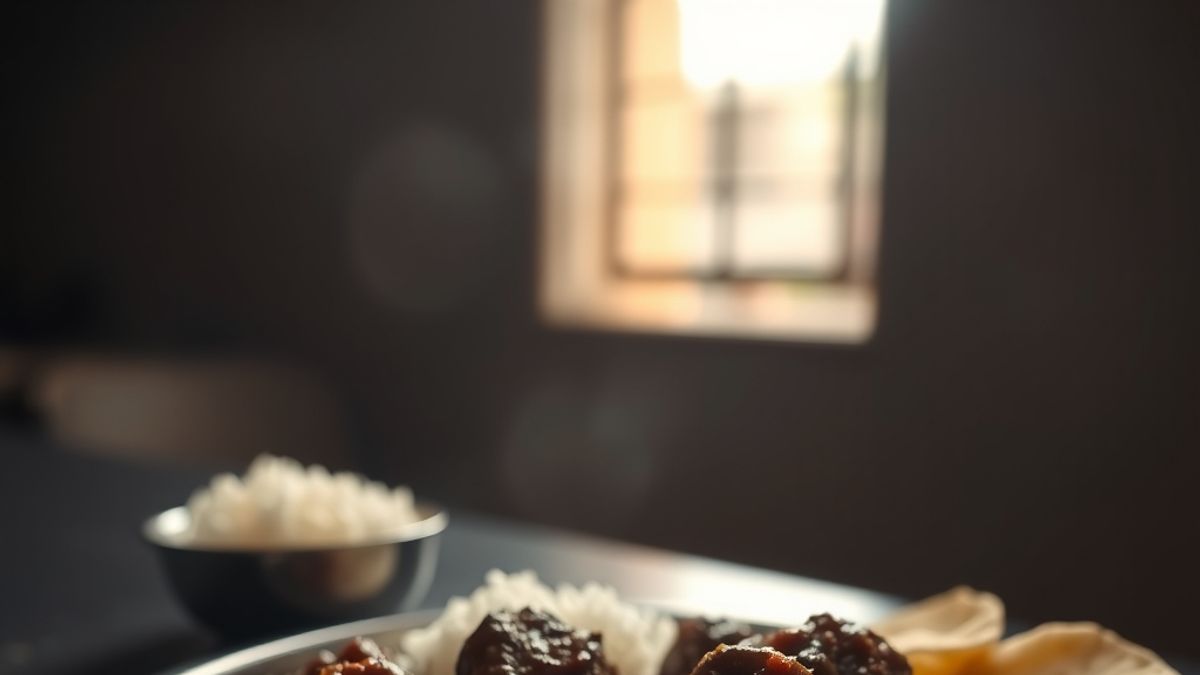
- Kosha mangsho — the showstopper: mutton slow-cooked in its own spices until dark, sticky and intense, with almost no free gravy. Usually eaten with luchi (puffed fried bread) or rice. If you order one thing on your first visit, order this.
- Mutton or chicken curry — lighter, more brothy home-style versions, often with potato, that Bengali households eat on a Sunday.
The vegetarian backbone
Do not skip the vegetables; in a good Bengali meal they are not filler but the frame around the fish.
- Shukto — a gently bitter mixed-vegetable dish, traditionally eaten first to open the palate. It is an acquired pleasure and a genuine marker of a serious kitchen.
- Aloo posto — potatoes in a poppy-seed paste, plain-looking and quietly addictive.
- Cholar dal, begun bhaja, luchi — a Bengal-gram lentil with coconut, fried aubergine, and puffed bread; together they make a satisfying meat-free plate that stands on its own. Vegetarians will eat very well here — more so than the fish-forward reputation suggests.
The sweets
Bengali sweets deserve their own paragraph and, frankly, their own trip. Rosogolla (spongy cheese balls in syrup), mishti doi (caramelised sweet yoghurt set in little earthen pots), sandesh and the winter-only nolen gurer (date-palm jaggery) versions are among the finest desserts in the country — less sugary and more textured than most Indian mithai. If sweets are what draw you, read them alongside the city’s wider sweet map in our desserts and mithai guide; the Bengali entries stand out precisely because they lean on cottage cheese and jaggery rather than ghee and khoya.
Where the Bengalis are
Mumbai’s Bengali food map tracks its Bengali residents. The strongest pockets are in the western suburbs — Andheri, Bandra, Khar and Santacruz — and in Powai, where the Hiranandani area has become something of a mini-Bengal, complete with a large Durga Puja and a couple of dedicated restaurants. There is a smaller but old-established presence in South Mumbai too, tied to institutions and clubs that go back decades.
If you are exploring by neighbourhood, our Mumbai neighbourhoods guide is a useful companion, and the dedicated Powai neighbourhood guide is worth a look if you are heading specifically for the lakeside suburb where much of this food is concentrated. The practical upshot: you will almost always be travelling north and west of the old city to eat this cuisine, and it pays to build a meal into a trip you are already making rather than crossing town for it alone.
The restaurants worth knowing
A short, honest list of the best-known Bengali kitchens in the city. Menus and outlets change, so it is always worth a quick check before you travel, and worth calling ahead at weekends when the Bengali crowd turns out in force.
Oh! Calcutta (Tardeo, plus suburban outlets)
The most recognisable Bengali restaurant name in Mumbai, running since the mid-1990s and known for a serious, sit-down Bengali spread — daab chingri, fish fry, kosha mangsho and a good sweets list, with some ingredients reportedly flown in from Kolkata. It has had outlets in Tardeo and the western suburbs over the years. This is the place to bring someone who has never eaten the cuisine, because the menu is broad, the staff will guide you, and the standards are consistent. Expect a proper restaurant experience at roughly ₹800–1,400 a head for two courses; treat that as a rough band, not a fixed price, and budget more if you add prawns or the pricier fish.
Peetuk (Powai)
A more home-style option in the Powai/Hiranandani area, the kind of place Bombay Bengalis go when they are missing their mother’s cooking. Look for shorshe ilish, aloo posto and comforting everyday plates rather than banquet showpieces. The room is unfussy and the cooking does the talking. Roughly ₹500–900 a head, which makes it one of the better-value ways to eat the real thing.
25 Parganas (near Vile Parle)
The Bengali specialty restaurant at the Sahara Star hotel by the domestic airport, leaning slightly more elaborate, with dishes like kosha mangsho and prawn preparations in a polished hotel setting. Hotel-restaurant pricing applies, so budget higher — think ₹1,200 and up per head — and treat it as a special-occasion or celebration band rather than an everyday meal. Its location makes it a genuinely useful option if you have a long layover or an early flight from the domestic terminal.
Andheri’s Bengali spots
Andheri (west) has more than one dedicated Bengali kitchen offering thali-style meals, bhog-inspired vegetarian spreads and the usual fish-and-mutton mains, typically in the ₹400–900 range. Names and outlets shift here more than most, so it is worth searching for current openings near you rather than fixing on one. If you are already exploring the suburb, the Andheri neighbourhood guide will help you fold a Bengali lunch into a wider day out. Bandra similarly has occasional Bengali pop-ups and small kitchens; the Bandra neighbourhood guide is the place to check what is current.
Beyond the sit-down restaurants
Some of the best Bengali food in Mumbai never has a dining room at all.
Cloud kitchens and tiffin services
Cloud kitchens now deliver home-style Bengali thalis, fish fry and shukto across the suburbs — often the easiest way to try the food if you are not near a restaurant, and frequently cooked by Bengali home chefs rather than commercial outfits. Expect ₹300–600 for a generous single-person thali, more for a fish or mutton add-on. For a standing arrangement rather than a one-off, several Bengali home cooks run subscription tiffins; our guide to home chefs and tiffin services in Mumbai is the right starting point if you want regular Bengali cooking delivered, and it is genuinely the closest most people will get to eating in a Bengali home.
Sweet shops and the kathi roll
Kolkata-style kathi rolls — egg-and-kebab wrapped in a flaky paratha — have their own small following in Mumbai, distinct from the city’s own frankie. If you want to understand the difference between the two wrapped snacks, our frankie and kathi roll guide lays it out. Dedicated Bengali sweet counters are rarer than in Kolkata but do exist in the Bengali-heavy pockets; they are your best bet for fresh rosogolla and, in winter, anything made with nolen gur.
Durga Puja is the real feast
If you want to eat Bengali food at its most joyful, come during Durga Puja — usually in September or October (dates shift each year with the lunar calendar). This is when Mumbai’s Bengali community throws open its pandals, and food is a huge part of it. For a few days the cuisine stops being something you seek out in scattered kitchens and becomes a public celebration you can simply walk into.
Bhog: the community meal
Bhog is the meal served after prayers, typically khichuri (a soft, savoury rice-and-lentil porridge), labra (a mixed-vegetable medley), beguni (fried aubergine in a gram-flour batter), papad, a tomato-date chutney and payesh (rice pudding) or rosogolla to finish. It is simple, vegetarian and genuinely special — food cooked at scale in enormous vats and served to whoever turns up, often on a leaf plate. It is generally offered after the day’s prayers, so timing matters; ask a volunteer, and a small donation is the courteous way to receive it.
The stalls around the pandal
Ringing the pandals you will find a small fairground of food: Kolkata-style kathi rolls, fish fry and fish kabiraji, mutton and prawn cutlets, mishti doi in little pots, and phuchka — the sharper, tamarind-forward Bengali cousin of the pani puri you will already know from the city’s street food. Stall prices are modest, roughly ₹100–400 depending on how much you graze, and cash still moves faster than cards in the crowd.
Well-known Puja hubs include the long-running celebrations in the Powai/Hiranandani area and the community pujas in Bandra, alongside others across the suburbs and the older South Mumbai associations. The atmosphere — dhaak drums, dressed-up crowds, late-night queues for rolls — is as much the point as the food. If you are planning around the festival season more broadly, see our Ganesh Chaturthi guide for how the city’s autumn festival calendar stacks up, and the Navratri and garba nights guide for what runs alongside Puja in the same weeks.
How to eat it well
A few habits will get you far more out of a Bengali meal than simply ordering the most expensive fish on the menu.
- Lead with kosha mangsho and luchi, or a fish curry with rice — those are the dishes that will convert you, and they are hard to get wrong.
- Ask about the fish of the day. Menus list a lot; kitchens cook what came in fresh. During the monsoon, ilish is the one to try if it is available, bones and all — and the monsoon is when it is at its best, which is worth knowing if you are also reading our monsoon food guide.
- Respect the order. If a thali or set meal arrives, eat roughly bitter-to-heavy-to-sweet — shukto or a bitter first, then dal and vegetables, then fish, then meat, then chutney and sweet. It genuinely tastes better in that sequence.
- Save room for sweets, and if you visit in winter, ask specifically for anything made with nolen gur — it is seasonal, it does not travel, and it is worth building a meal around.
- Don’t over-order. A Bengali meal is layered; a little shukto, one fish, one meat, rice and a sweet is a complete, well-balanced plate for two. Ordering five gravies is the tourist mistake.
- Eat with your hands if you can. Rice, dal and fish are designed for it, and mixing them by hand is half the pleasure — and the only sane way to negotiate ilish bones.
- Time it around Puja if you possibly can — the pandal food is an experience no restaurant fully replicates, and it costs a fraction of a sit-down meal.
What it costs
Bengali food in Mumbai spans a wide price range, and knowing roughly where you sit saves disappointment. A home-style thali from a cloud kitchen or a tiffin lands around ₹300–600. A relaxed sit-down meal at a mid-range suburban kitchen runs ₹500–900 a head. A full spread at a marquee name like Oh! Calcutta is comfortably ₹800–1,400, and a hotel-restaurant occasion higher still. Puja stalls are the cheapest and, many would argue, the most rewarding — a few hundred rupees buys you rolls, phuchka and sweets. Fish and prawns are what push any bill up, so if you are watching the total, anchor the meal on one good fish, one meat and plenty of rice and vegetables. As ever, treat every figure here as a seasonal, shifting band rather than a quote.
Getting there
The suburban restaurants sit near the Western Line — Andheri, Bandra, Khar and Santacruz stations, all a short ride or auto from the venues; if trains are new to you, the local train guide will get you oriented. Powai is not on the local-train network; reach it by road, or via the Metro and a connecting auto to Hiranandani. The Tardeo and South Mumbai spots are closest to the stations between Mumbai Central and Grant Road. Durga Puja pandals are seasonal and scattered, so check the specific location for the year you visit, and expect the nearest streets to be busy and slow-moving on the main Puja days — leave extra time and be ready to walk the last stretch.
The bottom line
Bengali food rewards the effort of seeking it out. Point yourself at a proper plate of kosha mangsho with luchi, a fish curry with rice, and a rosogolla to close — at Oh! Calcutta, Peetuk or one of the suburban kitchens — and, if the timing works, plan a trip around a Durga Puja pandal for bhog and kathi rolls. It asks a little more of you than the food that lines every Mumbai street corner, and it gives back more in return. Once you have eaten it properly, you will start noticing the quiet Bengali kitchens you walked past for years. It remains one of the city’s great under-the-radar eats.
Frequently Asked Questions
Where can I find the best Bengali food in Mumbai?
The best-known dedicated Bengali restaurants are Oh! Calcutta in Tardeo and home-style spots like Peetuk in Powai, with more options across the western suburbs such as Andheri and Bandra. Cloud kitchens and Bengali tiffin services now deliver home-style thalis across the suburbs, which is often the easiest way to try the food. During Durga Puja in September or October, the pandals themselves serve some of the most authentic Bengali food of the year.
What Bengali dish should I try first?
Start with kosha mangsho, a slow-cooked, deeply spiced mutton that is best eaten with luchi or rice. If you eat fish, a simple macher jhol or a mustard-sauced shorshe maach is the classic entry point, and a crumbed fish fry is the lightest, most crowd-pleasing option. Finish with rosogolla or mishti doi, and in winter ask for anything made with nolen gur date-palm jaggery.
When is Durga Puja in Mumbai and can anyone eat the food?
Durga Puja falls in September or October each year, with the exact dates shifting with the lunar calendar. The pandals are open to all, and the food stalls selling kathi rolls, fish fry, phuchka and sweets are public and inexpensive. The community bhog meal of khichuri, labra and payesh is generally served after the day's prayers, so time your visit accordingly and offer a small donation.
How much does a Bengali meal cost in Mumbai?
A home-style thali from a cloud kitchen or tiffin service typically runs around 300 to 600 rupees per head. A relaxed sit-down meal at a mid-range suburban kitchen is roughly 500 to 900 rupees, while a full spread at a marquee name like Oh! Calcutta lands around 800 to 1,400 rupees. Fish and prawns push any bill higher, and Durga Puja stalls are the cheapest way to eat the cuisine at a few hundred rupees.
Is Bengali food in Mumbai good for vegetarians?
Yes, despite its fish-forward reputation, Bengali cooking has a strong vegetarian backbone that vegetarians will enjoy. Look for shukto, a gently bitter mixed-vegetable dish, aloo posto in poppy-seed paste, cholar dal with coconut, begun bhaja and luchi. During Durga Puja the community bhog is entirely vegetarian, and many Andheri kitchens serve bhog-inspired vegetarian thalis.