

Starring
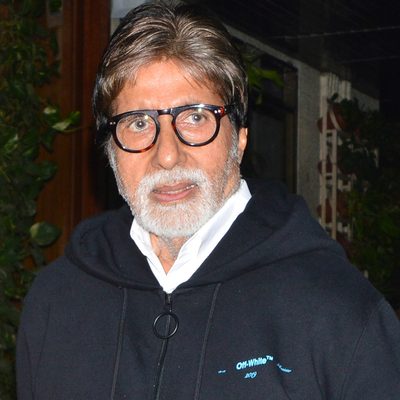
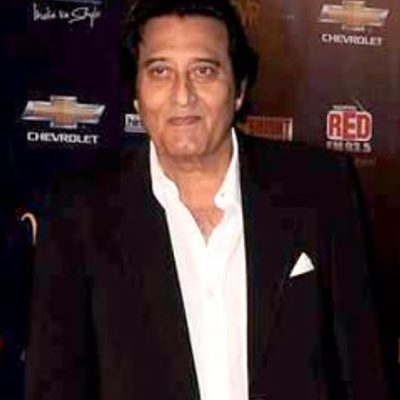
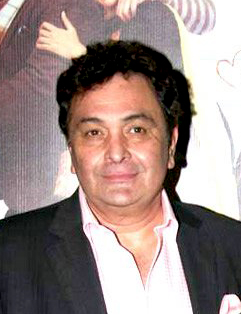
The story
Amar Akbar Anthony opens with the oldest trope in Hindi cinema and turns it into pure fireworks. On a single fateful day, a driver named Kishanlal (Pran) takes the fall for his crime-boss employer, loses everything, and his three small sons are scattered across Bombay. Their blind mother Bharati (Nirupa Roy) wanders off, presumed lost. Each boy is then raised in a different faith: the eldest becomes Amar, a Hindu police inspector (Vinod Khanna); the youngest becomes Akbar Ilahabadi, a Muslim qawwali singer (Rishi Kapoor); and the middle one becomes Anthony Gonsalves, a Catholic bootlegger with a heart of gold (Amitabh Bachchan).
Director Manmohan Desai stitches their separate lives back together through a cascade of coincidences that the film wears as a badge of honour rather than an apology. The most famous is a blood-donation sequence in which all three grown brothers, still strangers to one another, give blood to the same injured woman at the same time, not knowing she is their mother. It is medically nonsensical and emotionally overwhelming in equal measure, which is exactly the register the movie lives in. The three lovers, Salma, Lakshmi and Jenny (played by Neetu Singh, Shabana Azmi and Parveen Babi), the villains, and the long-lost parents all converge for a climax of disguises, rescues and reunions.
Making of the film
Amar Akbar Anthony crowned a once-in-a-career year for Manmohan Desai, who had four major hits in 1977. Working from a story and dialogue conceived with writers including Kader Khan and Prayag Raj, Desai took the lost-and-found melodrama that Hindi cinema had been telling since Yash Chopra's Waqt (1965) and pushed it to its most joyful, most secular extreme, three sons of one mother literally embodying three of India's faiths. The film was shot at a rapid clip, and legend has it that many of its most beloved moments came together on the floor rather than on the page.
Amitabh Bachchan's contribution became part of Bollywood folklore. His drunken monologue delivered to his own bruised reflection in a mirror, addressing himself in mangled English, was reportedly improvised on set and turned Anthony into the film's breakout figure. Anthony's introduction, popping out of a giant Easter egg, is another piece of Desai showmanship that fans still quote. The combination of Bachchan's clowning, Rishi Kapoor's romantic charm and Vinod Khanna's straight-arrow gravity gave the film three distinct flavours in a single dish, the essence of masala.
The music
The soundtrack, composed by Laxmikant-Pyarelal with lyrics by Anand Bakshi, was as big a phenomenon as the film. "My Name Is Anthony Gonsalves," picturised on Bachchan, gave the character an anthem; "Parda Hai Parda," a rousing qawwali sung by Mohammed Rafi, became Akbar's showcase; and "Shirdi Wale Sai Baba" tied the story's devotional climax to the Sai Baba shrine. The album is often cited among the greatest in Hindi film history.
Its rarest achievement is "Humko Tumse Ho Gaya Hai Pyar," widely reported as the only recording to bring Mukesh, Kishore Kumar, Mohammed Rafi and Lata Mangeshkar together on a single song, one legendary voice for each pair of lovers. Laxmikant-Pyarelal won the Filmfare Award for Best Music Director for their work here, part of a remarkable run of wins for the duo in this period.
Performances
Though it is a true ensemble, the film belongs to Amitabh Bachchan, who won the Filmfare Award for Best Actor as Anthony Gonsalves, a comic role in an era when the trophy usually went to tragedy and intensity. Rishi Kapoor, fresh and boyish, carries the film's romance and its best song sequences, while Vinod Khanna supplies the sober centre of gravity that lets the other two go big.
The supporting bench is just as strong. Nirupa Roy, in perhaps the most iconic screen-mother performance of her career, anchors the melodrama; Pran brings dignity to the wronged father; and Neetu Singh, Shabana Azmi and Parveen Babi give the three heroines real presence. The film also collected a Filmfare Award for Best Editing, a nod to how tightly its sprawling, coincidence-packed plot is actually cut together.
Legacy and box office
Amar Akbar Anthony was one of the biggest earners of 1977, reported to have grossed around 155 million rupees and ranking among the year's top films alongside Dharam Veer and Hum Kisise Kum Naheen. Its success cemented Amitabh Bachchan's superstardom and confirmed Manmohan Desai as the reigning showman of Hindi cinema.
More than a hit, it became the template our editors point to for the lost-and-found masala entertainer, the film every later multi-star, multi-faith reunion drama is measured against. It was remade across the south, as Shankar Salim Simon in Tamil, Ram Robert Rahim in Telugu and John Jaffer Janardhanan in Malayalam, and it remains a fixture on best-of-Bollywood lists and a beloved repertory-screening favourite decades later. Its blend of comedy, action, devotion and unabashed sentiment is still shorthand for what a Bombay masala movie can be.
Key details
| Release year | 1977 |
|---|---|
| Language | Hindi |
| Director | Manmohan Desai |
| Writer | Kader Khan. Released |
| Genre | Masala |
| Starring | Amitabh Bachchan, Vinod Khanna, Rishi Kapoor |
Did you know?
- Amitabh Bachchan's drunken monologue to his own reflection in a mirror, in broken English, was reportedly improvised on set and became one of the most quoted scenes in Hindi cinema.
- The character Anthony Gonsalves was named after a real Goan violinist and music arranger of the same name, who was a mentor to Pyarelal of the composing duo Laxmikant-Pyarelal.
- "Humko Tumse Ho Gaya Hai Pyar" is widely reported as the only song ever to feature Mukesh, Kishore Kumar, Mohammed Rafi and Lata Mangeshkar all singing together.
- Amitabh Bachchan won the Filmfare Award for Best Actor for a comic role here, at a time when the award was almost always given for serious, dramatic performances.
- In a scene fans still love for its cheerful implausibility, all three grown-up brothers donate blood to their injured mother at the same time without knowing who she, or each other, is.
- The film was remade in three southern languages: Tamil (Shankar Salim Simon), Telugu (Ram Robert Rahim) and Malayalam (John Jaffer Janardhanan).
Frequently Asked Questions
Who directed Amar Akbar Anthony and when was it released?
Amar Akbar Anthony was directed and produced by Manmohan Desai and released in India on 27 May 1977. It was one of four major hits Desai delivered that single year, a run that made him the leading showman of 1970s Hindi cinema.
Who plays the three brothers in the film?
Vinod Khanna plays Amar, the Hindu police inspector; Rishi Kapoor plays Akbar, the Muslim qawwali singer; and Amitabh Bachchan plays Anthony Gonsalves, the Catholic bootlegger. Their parents are played by Pran and Nirupa Roy, with Neetu Singh, Shabana Azmi and Parveen Babi as the three heroines.
Is Amar Akbar Anthony based on a true story?
No, it is a work of fiction built on the classic Hindi-cinema device of a family separated in childhood and reunited by fate. The idea of long-lost brothers had appeared in earlier films such as Waqt, but Desai's twist of raising the three sons as a Hindu, a Muslim and a Christian was his own, making the film a celebration of India's religious plurality.
What are the most famous songs from the film?
The best-known tracks are "My Name Is Anthony Gonsalves," "Parda Hai Parda," "Shirdi Wale Sai Baba" and "Humko Tumse Ho Gaya Hai Pyar." The soundtrack was composed by Laxmikant-Pyarelal with lyrics by Anand Bakshi, and the duo won the Filmfare Award for Best Music Director for it.
Was Amar Akbar Anthony a box office success?
Yes, it was one of the highest-earning Indian films of 1977, reported to have grossed roughly 155 million rupees. It ranked among the year's biggest hits alongside Dharam Veer and Hum Kisise Kum Naheen and is now regarded as a landmark of the masala genre.
Why is Amar Akbar Anthony considered so influential?
It is widely seen as the definitive template for the lost-and-found masala entertainer, blending comedy, action, romance, devotion and melodrama into one crowd-pleasing package. Its success helped cement Amitabh Bachchan's superstardom and it has been remade in Tamil, Telugu and Malayalam, while still appearing on best-of-Bollywood lists decades later.
Reference: Wikipedia
← Back to the Bollywood Hub