

Starring
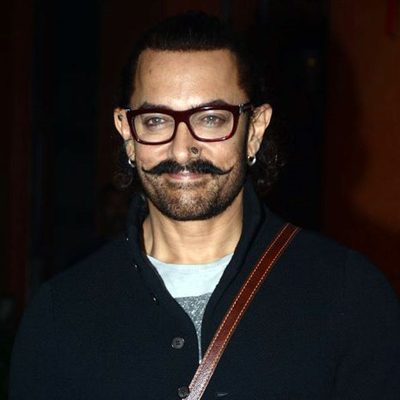

The story
Qayamat Se Qayamat Tak, whose title translates roughly to "From Doom to Doom," is a tragic love story cut from the oldest cloth in the world. Raj (Aamir Khan) and Rashmi (Juhi Chawla) are two young people who fall in love without knowing that their families are locked in a bitter, blood-soaked feud dating back to a killing between their elders. When the families discover the romance, the lovers run away together into the hills, chasing a life free of the hatred they inherited.
The film wears its influences openly. Producer-writer Nasir Hussain built the screenplay as a modern-day take on the classic doomed-lovers template — Romeo and Juliet, Laila-Majnu, Heer-Ranjha — updated for a young Indian audience of the late 1980s. Without giving too much away, the title is a warning: this is not a romance that ends in a wedding. Its unflinchingly tragic finale is a large part of why the film lodged so deeply in the public memory.
A family affair behind the camera
Qayamat Se Qayamat Tak was very much a Hussain-Khan family production. It was written and produced by the veteran filmmaker Nasir Hussain and marked the directorial debut of his son, Mansoor Khan. The leading man, Aamir Khan, was Nasir Hussain's nephew and Mansoor's cousin — and though this was his debut in a lead role, he was not new to a film set. As a child he had appeared in his uncle's 1973 hit Yaadon Ki Baaraat.
Juhi Chawla, a former Miss India, was likewise making her Hindi-film debut as a leading lady. Made on a modest budget of around ₹2.5 crore, the film was shot with a fresh, youthful energy — Kiran Deohans's cinematography of the young couple and the hill landscapes became one of its calling cards, later earning a Filmfare Award.
The music that defined a generation
If the film made Aamir Khan a star, its soundtrack made the composer duo Anand-Milind and playback singer Udit Narayan household names. Working with the lyrics of the great Majrooh Sultanpuri, the pair produced an album that became one of the best-selling Hindi soundtracks of the 1980s, reportedly moving more than eight million copies.
"Papa Kehte Hain Bada Naam Karega," picturised on Aamir Khan at a farewell party, became an anthem for a generation of students and gave Udit Narayan his breakthrough and a Filmfare trophy. Alongside it, "Ae Mere Humsafar," "Akele Hain To Kya Gham Hai" and "Gazab Ka Hai Din" — many of them duets with Alka Yagnik — kept the film on radios and cassette players long after its theatrical run ended.
Box office and a clean sweep of awards
Released on 29 April 1988, Qayamat Se Qayamat Tak was a major commercial success, grossing several times its budget and finishing among the highest-earning Hindi films of the year. More strikingly, it arrived at a moment when Hindi cinema was dominated by violent action potboilers, and its clean, melodic, youth-oriented romance felt like a breath of fresh air.
The film swept the 34th Filmfare Awards, winning a leading eight trophies including Best Film and Best Director for Mansoor Khan, along with the Best Male Debut for Aamir Khan and the Lux New Face of the Year for Juhi Chawla. It also earned a National Film Award for Best Popular Film Providing Wholesome Entertainment — an unusually decorated debut for everyone involved.
Why it matters
More than three decades on, Qayamat Se Qayamat Tak is remembered as the film that launched Aamir Khan — today one of Indian cinema's most respected actors and producers — and Juhi Chawla, who went on to a long and beloved career. It is also credited with helping steer mainstream Bollywood back toward soft, music-driven romance after a decade of hard action.
The film has since attained genuine cult status. "Papa Kehte Hain" remains a fixture at Indian farewells and reunions, and the initials "QSQT" still function as shorthand for a certain kind of pure, doomed, first-love story. For a debut on every front — director, hero, heroine, and singer — it is hard to imagine a more consequential launch.
Key details
| Release year | 1988 |
|---|---|
| Language | Hindi |
| Director | Mansoor Khan |
| Writer | Majrooh Sultanpuri. Qayamat Se |
| Genre | Romance |
| Music | Anand |
| Starring | Aamir Khan, Juhi Chawla |
Did you know?
- Aamir Khan first appeared on screen as a child in his uncle Nasir Hussain's 1973 musical Yaadon Ki Baaraat — Qayamat Se Qayamat Tak was his debut as a leading man, not his first film.
- The project kept it in the family: Nasir Hussain wrote and produced it, his son Mansoor Khan directed it, and his nephew Aamir Khan starred in it.
- The song 'Papa Kehte Hain Bada Naam Karega' gave playback singer Udit Narayan his breakthrough and won him a Filmfare Award; the soundtrack sold a reported eight-million-plus copies.
- At the 34th Filmfare Awards the film won a leading eight trophies, including Best Film, Best Director, Best Male Debut (Aamir Khan) and Lux New Face of the Year (Juhi Chawla).
- It also won the National Film Award for Best Popular Film Providing Wholesome Entertainment.
- Juhi Chawla, a former Miss India, was cast opposite the debutant Aamir Khan, making the film a launchpad for two future stars at once.
Frequently Asked Questions
Is Qayamat Se Qayamat Tak based on Romeo and Juliet?
It is not a direct adaptation, but writer-producer Nasir Hussain consciously modelled it on the classic doomed-lovers template that includes Romeo and Juliet, as well as Indian folk tragedies like Laila-Majnu and Heer-Ranjha. The story of two young people whose families are locked in a feud clearly echoes Shakespeare, updated for a modern Indian setting. That timeless framework is a big part of why the film resonated so widely.
Does Qayamat Se Qayamat Tak have a happy or sad ending?
It has a famously tragic ending, which the title itself hints at — 'Qayamat Se Qayamat Tak' translates roughly to 'From Doom to Doom.' The young lovers cannot escape the hatred between their families, and the story closes on heartbreak rather than a wedding. This unflinching finale is one of the main reasons the film became so memorable.
Was Qayamat Se Qayamat Tak really Aamir Khan's first film?
It was Aamir Khan's first film in a lead role and the one that made him a star, but not his very first screen appearance. As a child he appeared in his uncle Nasir Hussain's 1973 hit Yaadon Ki Baaraat. Qayamat Se Qayamat Tak in 1988 was, however, his true debut as a leading man.
Who sang 'Papa Kehte Hain' and who composed the music?
'Papa Kehte Hain Bada Naam Karega' was sung by Udit Narayan, and the film's music was composed by the duo Anand-Milind, with lyrics by Majrooh Sultanpuri. The song became Udit Narayan's breakthrough and won him a Filmfare Award. The soundtrack as a whole was one of the best-selling Hindi albums of the 1980s.
How are Aamir Khan and director Mansoor Khan related?
They are first cousins. The film was directed by Mansoor Khan, the son of veteran filmmaker Nasir Hussain, who wrote and produced it. Aamir Khan is Nasir Hussain's nephew, making Qayamat Se Qayamat Tak very much a family production.
What does the title Qayamat Se Qayamat Tak mean?
The phrase translates roughly to 'From Doom to Doom' or 'From Doomsday to Doomsday.' It signals the tragic arc of the love story, in which the lovers are pursued by their families' hatred from beginning to end. The ominous title is a deliberate clue to the film's heartbreaking conclusion.
Reference: Wikipedia
← Back to the Bollywood Hub