SC Protects Teachers Over CBSE Language Policy
Supreme Court assures protection for teachers, seeks CBSE response on three-language policy
'%3E%3Crect%20width%3D'96'%20height%3D'96'%20fill%3D'%231A5276'%2F%3E%3Ccircle%20cx%3D'30'%20cy%3D'24'%20r%3D'44'%20fill%3D'%23fff'%20opacity%3D'.12'%2F%3E%3Ccircle%20cx%3D'60'%20cy%3D'74'%20r%3D'40'%20fill%3D'%23000'%20opacity%3D'.10'%2F%3E%3C%2Fg%3E%3Cg%20fill%3D'%23fff'%3E%3Cpath%20d%3D'M31%2041%20L48%2031%20L65%2041%20Z'%2F%3E%3Crect%20x%3D'33'%20y%3D'43'%20width%3D'4'%20height%3D'17'%2F%3E%3Crect%20x%3D'41'%20y%3D'43'%20width%3D'4'%20height%3D'17'%2F%3E%3Crect%20x%3D'51'%20y%3D'43'%20width%3D'4'%20height%3D'17'%2F%3E%3Crect%20x%3D'59'%20y%3D'43'%20width%3D'4'%20height%3D'17'%2F%3E%3Crect%20x%3D'30'%20y%3D'62'%20width%3D'36'%20height%3D'4'%20rx%3D'1'%2F%3E%3C%2Fg%3E%3C%2Fsvg%3E)
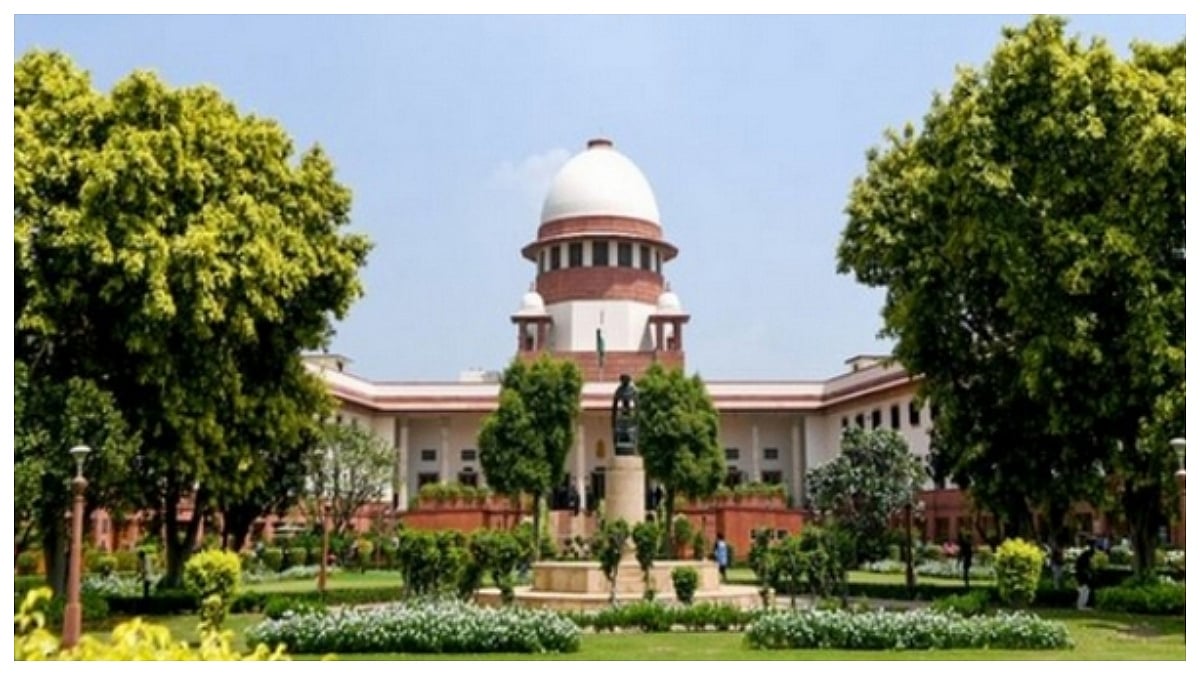
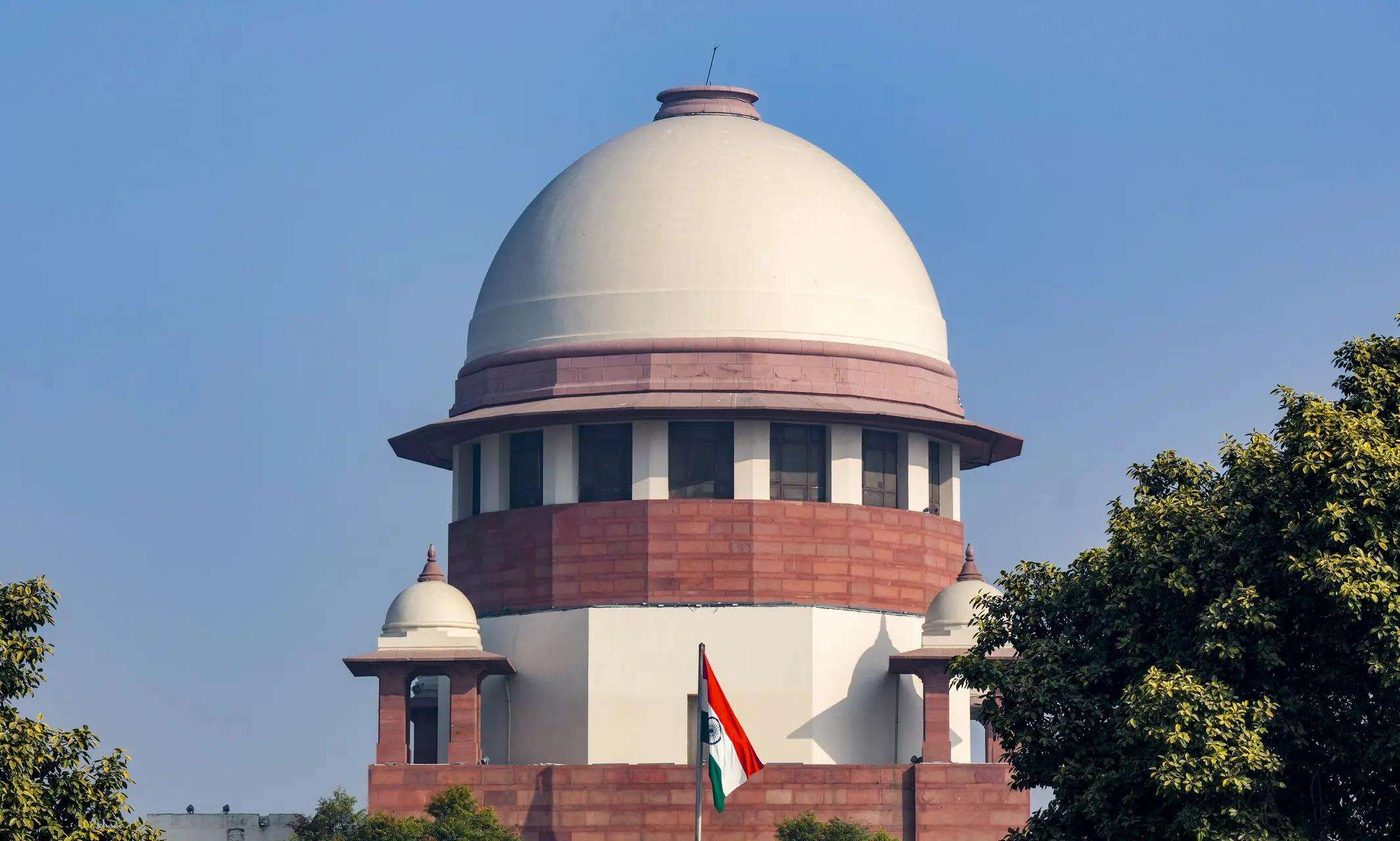
The Supreme Court on Tuesday stepped in to protect teachers who may face disciplinary action for not implementing the Central Board of Secondary Education's (CBSE) three-language policy for Class IX students. The policy, which was introduced in the middle of the academic session, has been challenged in court due to concerns over a shortage of textbooks, inadequate teaching staff, and the sudden introduction of new language requirements.
A Bench comprising Chief Justice of India Surya Kant, Justice Joymalya Bagchi, and Justice V Mohana heard the matter and directed the CBSE to file its response to the petition. The court assured teachers that it would stay any dismissals if they were unable to teach the newly introduced languages. Chief Justice Kant remarked, 'Come to us, we will stay those dismissals,' during the hearing.
The petitioners argued that schools are struggling to implement the policy due to a lack of infrastructure. Senior Advocate Gopal Sankaranarayanan told the court that only textbooks for three of the 22 recognized Indian languages are currently available, making implementation difficult. He also highlighted the manpower issue, stating that there are not enough teachers to teach the new languages.
Senior Advocate Mukul Rohatgi questioned how schools could realistically implement the policy at short notice. He submitted that a child studying English and French is suddenly told to learn Tamil in Class 9, and asked where the teachers and infrastructure would come from. Senior Advocate Anand Grover argued that the CBSE circular violates provisions of the Right to Education Act by imposing additional language requirements without offering meaningful alternatives.
Justice Joymalya Bagchi observed that the policy seeks to promote Indian languages in line with constitutional objectives. He noted that the expression 'native Indian language' may require reconsideration but said the spirit behind the notification was to encourage the learning of Hindi and other Indian languages.
The CBSE's three-language policy requires students to learn three languages, including Hindi, English, and a regional language. The policy has been introduced to promote the learning of Indian languages and to reduce the dominance of English in the education system. However, the implementation of the policy has been challenging due to a lack of resources and infrastructure.
The court has listed the matter for further hearing on July 22, and the CBSE has been directed to file its response within two weeks. The Additional Solicitor General, Aishwarya Bhati, informed the court that the Board would submit its reply within the specified timeframe.
The Supreme Court's assurance to protect teachers is a significant development in the case. The court's decision to stay any dismissals will provide relief to teachers who may be facing disciplinary action for not implementing the policy. The case highlights the challenges faced by schools in implementing the CBSE's three-language policy and the need for the government to provide adequate resources and infrastructure to support the policy.
The CBSE's three-language policy is part of a broader effort to promote the learning of Indian languages and to reduce the dominance of English in the education system. The policy has been introduced to promote national integration and to preserve the country's linguistic diversity. However, the implementation of the policy has been challenging, and the court's decision will have significant implications for the education system in India.
In conclusion, the Supreme Court's decision to protect teachers and seek the CBSE's response on the three-language policy is a significant development in the case. The court's assurance to stay any dismissals will provide relief to teachers, and the case highlights the need for the government to provide adequate resources and infrastructure to support the policy. The outcome of the case will have significant implications for the education system in India and will be closely watched by educators, policymakers, and the general public.
The case also raises important questions about the role of the government in promoting the learning of Indian languages and the need for a more nuanced approach to language education in India. The court's decision will be an important step in addressing these questions and in promoting the learning of Indian languages in a way that is fair, equitable, and effective.
As the case progresses, it will be important to monitor the developments and to assess the implications of the court's decision for the education system in India. The case has the potential to have a significant impact on the way languages are taught in schools and on the broader efforts to promote national integration and linguistic diversity in India.
In the end, the Supreme Court's decision will be an important step in promoting the learning of Indian languages and in addressing the challenges faced by schools in implementing the CBSE's three-language policy. The case highlights the need for a more nuanced approach to language education in India and the importance of providing adequate resources and infrastructure to support the policy. The outcome of the case will be closely watched, and its implications will be felt for years to come.