NGT Notices Over Petrol Pump Construction in Bhopal
NGT flags petrol pump construction, seeks response within 4 weeks.
'%3E%3Crect%20width%3D'96'%20height%3D'96'%20fill%3D'%23B3261E'%2F%3E%3Ccircle%20cx%3D'30'%20cy%3D'24'%20r%3D'44'%20fill%3D'%23fff'%20opacity%3D'.12'%2F%3E%3Ccircle%20cx%3D'60'%20cy%3D'74'%20r%3D'40'%20fill%3D'%23000'%20opacity%3D'.10'%2F%3E%3C%2Fg%3E%3Cg%20fill%3D'%23fff'%3E%3Crect%20x%3D'29'%20y%3D'49'%20width%3D'8'%20height%3D'19'%20rx%3D'1'%2F%3E%3Crect%20x%3D'39'%20y%3D'40'%20width%3D'9'%20height%3D'28'%20rx%3D'1'%2F%3E%3Crect%20x%3D'50'%20y%3D'45'%20width%3D'8'%20height%3D'23'%20rx%3D'1'%2F%3E%3Crect%20x%3D'60'%20y%3D'53'%20width%3D'7'%20height%3D'15'%20rx%3D'1'%2F%3E%3Crect%20x%3D'41'%20y%3D'34'%20width%3D'5'%20height%3D'6'%2F%3E%3C%2Fg%3E%3C%2Fsvg%3E)
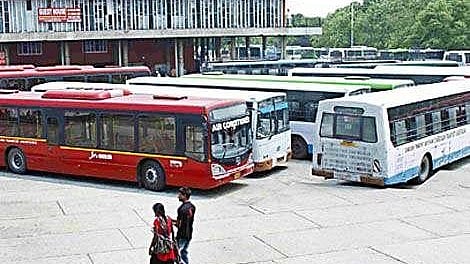
The National Green Tribunal (NGT) has taken a strict view of the construction of a petrol pump over a drain within the Inter-State Bus Terminal (ISBT) complex in Bhopal, Madhya Pradesh. On Monday, the Central Zone Bench of the NGT issued notices to the state government and other respondents, seeking their response within four weeks.
The issue came before the Tribunal during the hearing of an original application filed by Prabhat Pandey, who alleged that the petrol pump was being constructed over a natural drain and within its ecological buffer zone. The petition cited Central Pollution Control Board (CPCB) guidelines, which restrict construction of petrol pumps within 50 metres of water bodies, including drains, canals and wetlands.
The NGT has constituted a joint committee comprising representatives of the CPCB, Madhya Pradesh Pollution Control Board (MPPCB) and the Bhopal collector to inspect the site and submit a detailed report on the ground situation and action taken. The MPPCB has been appointed the nodal agency to coordinate the committee's inspection and provide logistical support.
The petitioner claimed that the site is only 23 metres wide, making compliance with the alleged 50-metre buffer requirement impossible. The petition also alleged violations of Rules 36, 50(b) and 53(4) of the Madhya Pradesh Land Development Rules, 2012, relating to buffer zones around water bodies.
The joint committee has been directed to conduct a spot inspection, verify the allegations and submit its report within four weeks. The matter will next be heard on October 13, 2026.
The construction of the petrol pump has raised concerns about environmental norm violations and the potential impact on the surrounding ecosystem. The NGT's decision to issue notices and constitute a joint committee to investigate the matter is a significant step towards ensuring that environmental regulations are enforced.
The case highlights the importance of adhering to environmental guidelines and regulations, particularly when it comes to construction projects near water bodies. The NGT's actions demonstrate its commitment to protecting the environment and ensuring that development projects are carried out in a sustainable and responsible manner.
In conclusion, the NGT's decision to take action against the construction of the petrol pump in Bhopal is a significant development in the ongoing efforts to protect the environment and enforce environmental regulations. The outcome of the case will be closely watched, and it is likely to have implications for similar construction projects in the future.
The NGT's actions are a reminder that environmental protection is a critical aspect of sustainable development, and that regulatory bodies must take a proactive approach to ensuring that environmental norms are enforced. As the case progresses, it will be important to monitor the developments and ensure that the environment is protected.
The joint committee's report will be crucial in determining the next course of action, and it is likely that the report will provide valuable insights into the environmental impact of the construction project. The NGT's decision to constitute a joint committee to investigate the matter is a significant step towards ensuring that environmental regulations are enforced, and it is likely to have a positive impact on the environment.
In the end, the NGT's actions demonstrate its commitment to protecting the environment and ensuring that development projects are carried out in a sustainable and responsible manner. The outcome of the case will be closely watched, and it is likely to have implications for similar construction projects in the future.
Frequently asked questions
What is the issue with the petrol pump construction in Bhopal?
The construction of the petrol pump is allegedly over a natural drain and within its ecological buffer zone, violating environmental norms.
What is the NGT's decision on the matter?
The NGT has issued notices to the state government and other respondents, seeking their response within four weeks, and has constituted a joint committee to inspect the site and submit a report.