India Declassifies Operation Sindoor Details
India's military strikes after Pahalgam terror attack, declassified accounts reveal secrecy and planning
'%3E%3Crect%20width%3D'96'%20height%3D'96'%20fill%3D'%234A235A'%2F%3E%3Ccircle%20cx%3D'30'%20cy%3D'24'%20r%3D'44'%20fill%3D'%23fff'%20opacity%3D'.12'%2F%3E%3Ccircle%20cx%3D'60'%20cy%3D'74'%20r%3D'40'%20fill%3D'%23000'%20opacity%3D'.10'%2F%3E%3C%2Fg%3E%3Cg%20fill%3D'none'%20stroke%3D'%23fff'%20stroke-width%3D'3'%3E%3Ccircle%20cx%3D'48'%20cy%3D'48'%20r%3D'16'%2F%3E%3Cellipse%20cx%3D'48'%20cy%3D'48'%20rx%3D'6.5'%20ry%3D'16'%2F%3E%3Cline%20x1%3D'32'%20y1%3D'42'%20x2%3D'64'%20y2%3D'42'%2F%3E%3Cline%20x1%3D'32'%20y1%3D'54'%20x2%3D'64'%20y2%3D'54'%2F%3E%3C%2Fg%3E%3C%2Fsvg%3E)
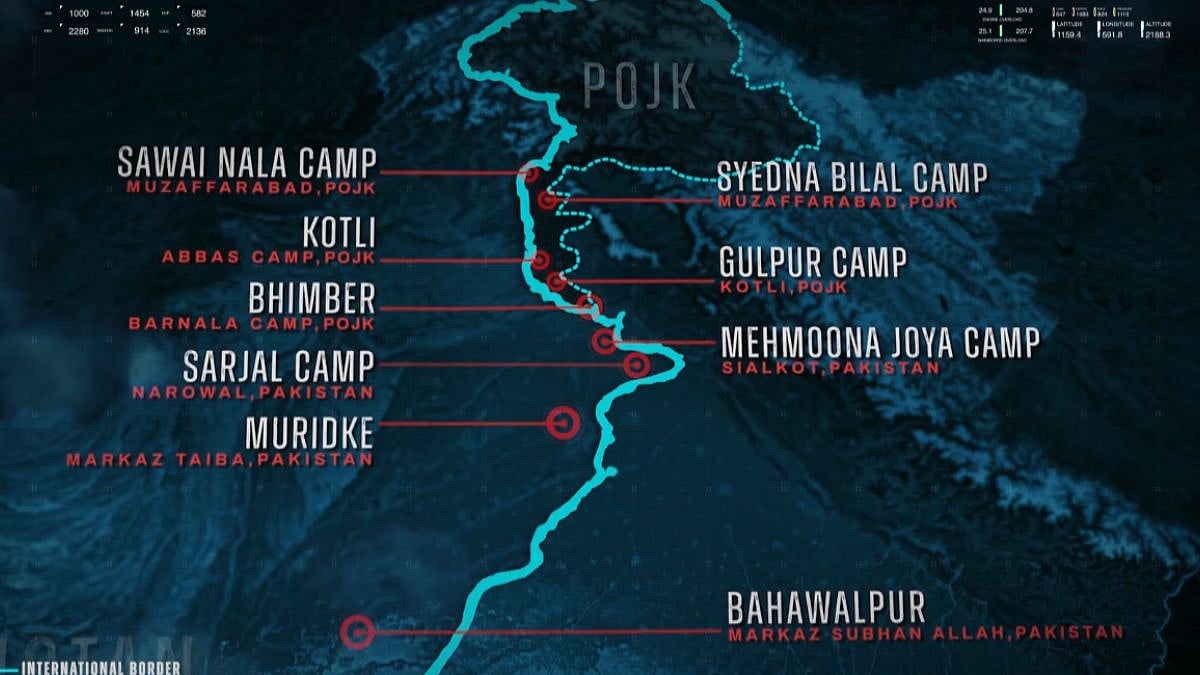
India's military leadership had anticipated a strong response from Pakistan following the Pahalgam terror attack, and therefore, planned Operation Sindoor with utmost secrecy.
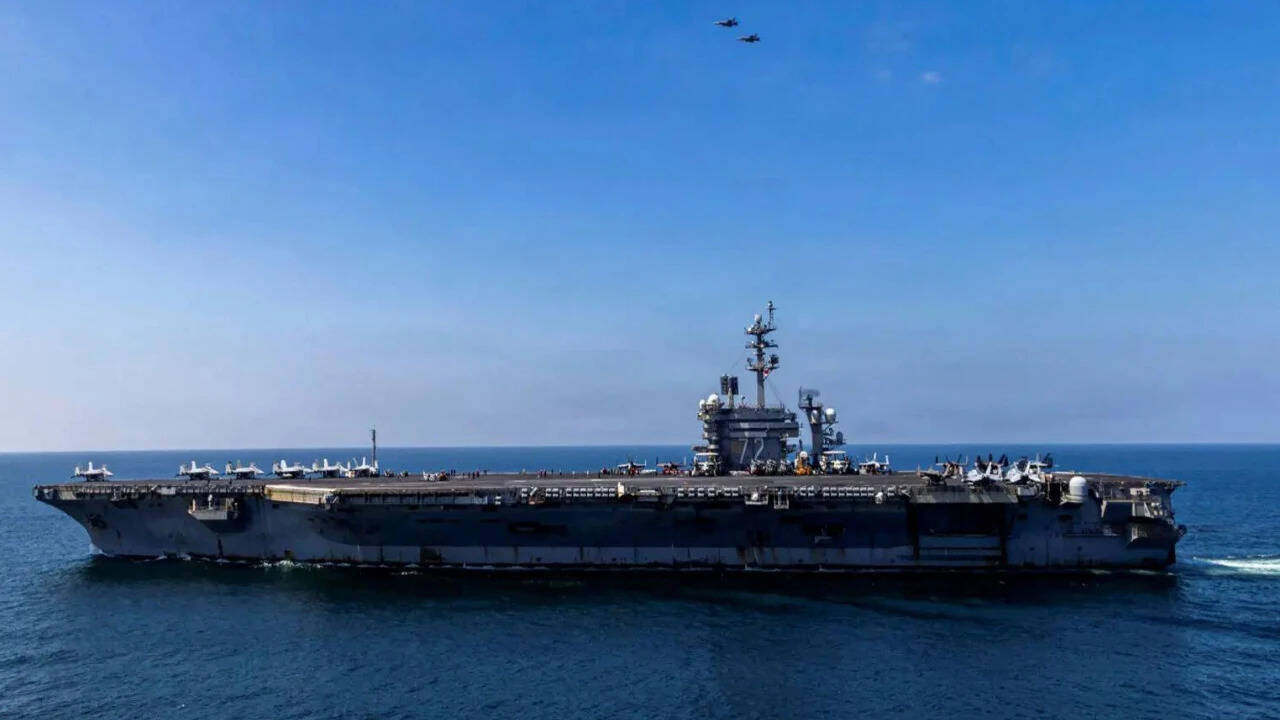
The operation was planned with the understanding that the initial strikes would not mark the end of the military action, but rather, Indian forces prepared for possible retaliation scenarios.
Colonel Ashish Upreti, Director of Strategic Communication, stated that Pakistan has developed a sophisticated approach to information warfare, which includes the dissemination of misinformation on an industrial scale.
To counter this, the Indian military sought to ensure that the strikes could be independently demonstrated through real-time visual evidence, thereby leaving little room for Pakistan to build a competing narrative.
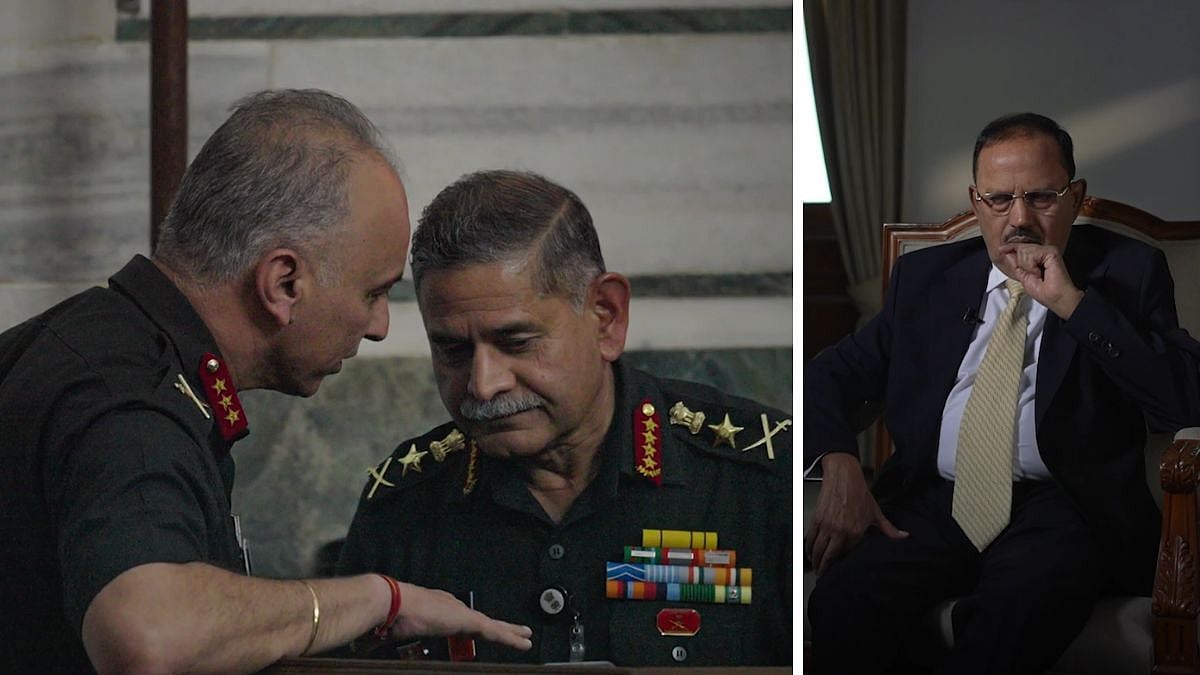
The decision on when to launch the strikes was taken by Defence Minister Rajnath Singh on May 1, with the operation scheduled to begin between 1 am and 2 am on May 7.
The timing was kept under exceptionally tight wraps, with the information conveyed through a small paper chit, reflecting the extraordinary level of secrecy maintained around the operation.
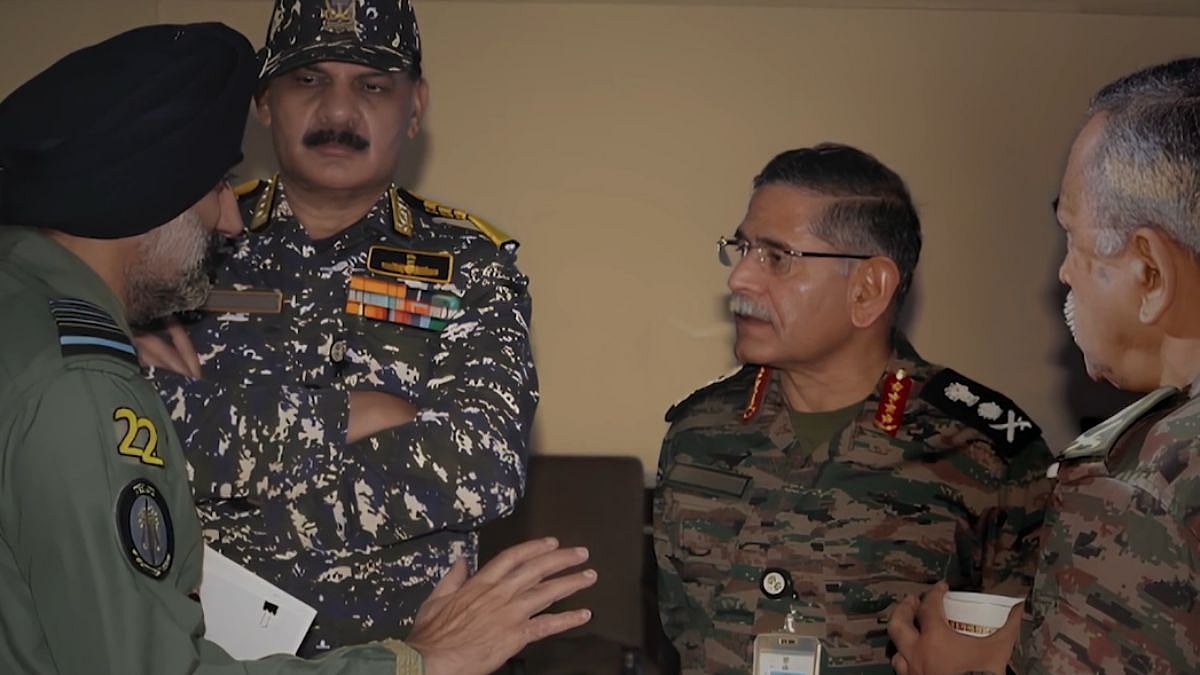
Even within the military establishment, knowledge of the exact timing was tightly restricted, with only the Director General of Military Operations (DGMO) knowing the exact timing before subsequently informing the personnel involved.
The decision to conduct the strikes during the night was driven largely by the need to preserve the element of surprise and maximise the chances of hitting the intended targets.
Military planners also had to account for the movements of terrorists at the targeted locations, which were less predictable during the day.
The night window therefore offered an opportunity to strike when the presence and movements of the intended targets could be assessed with greater confidence.
The military's preparation did not stop with identifying and striking the targets, but also included planning for possible retaliation scenarios.
In the end, India's meticulous planning and execution of Operation Sindoor ensured that the military strikes were successful, and the country was able to demonstrate its capability to respond to terrorist attacks.
The declassified accounts of Operation Sindoor provide valuable insights into the planning and execution of the military strikes, and highlight the importance of secrecy and preparation in such operations.
The operation also underscores the need for India to be prepared for possible retaliation scenarios, and to have a robust strategy in place to counter Pakistan's information warfare tactics.
Overall, the declassified accounts of Operation Sindoor are a testament to the professionalism and preparedness of the Indian military, and demonstrate the country's commitment to responding to terrorist attacks in a decisive and effective manner.
The success of Operation Sindoor has significant implications for India's national security, as it demonstrates the country's ability to respond to terrorist attacks in a swift and decisive manner.
It also highlights the importance of planning and preparation in military operations, and the need for secrecy and surprise in achieving strategic objectives.
In the context of India-Pakistan relations, the operation underscores the need for India to be prepared for possible retaliation scenarios, and to have a robust strategy in place to counter Pakistan's information warfare tactics.
In conclusion, the declassified accounts of Operation Sindoor provide valuable insights into the planning and execution of the military strikes, and highlight the importance of secrecy, preparation, and planning in achieving strategic objectives.
Frequently asked questions
What was Operation Sindoor?
Operation Sindoor was India's retaliatory military strikes following the Pahalgam terror attack.
Why did India choose to conduct the strikes at night?
India chose to conduct the strikes at night to preserve the element of surprise and maximise the chances of hitting the intended targets.