India Targets 9 Sites in PoJK and Pakistan After Pahalgam Attack
India's military strikes 9 targets, avoiding civilian casualties. Precision strikes in PoJK and Pakistan.
'%3E%3Crect%20width%3D'96'%20height%3D'96'%20fill%3D'%234A235A'%2F%3E%3Ccircle%20cx%3D'30'%20cy%3D'24'%20r%3D'44'%20fill%3D'%23fff'%20opacity%3D'.12'%2F%3E%3Ccircle%20cx%3D'60'%20cy%3D'74'%20r%3D'40'%20fill%3D'%23000'%20opacity%3D'.10'%2F%3E%3C%2Fg%3E%3Cg%20fill%3D'none'%20stroke%3D'%23fff'%20stroke-width%3D'3'%3E%3Ccircle%20cx%3D'48'%20cy%3D'48'%20r%3D'16'%2F%3E%3Cellipse%20cx%3D'48'%20cy%3D'48'%20rx%3D'6.5'%20ry%3D'16'%2F%3E%3Cline%20x1%3D'32'%20y1%3D'42'%20x2%3D'64'%20y2%3D'42'%2F%3E%3Cline%20x1%3D'32'%20y1%3D'54'%20x2%3D'64'%20y2%3D'54'%2F%3E%3C%2Fg%3E%3C%2Fsvg%3E)
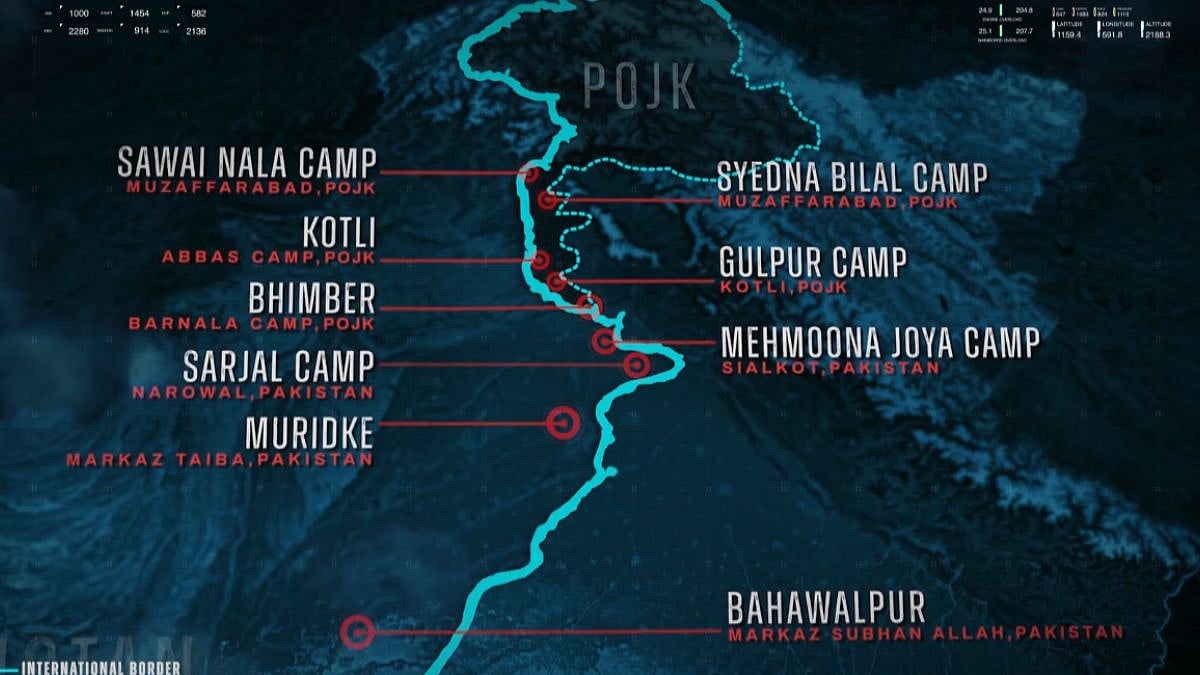
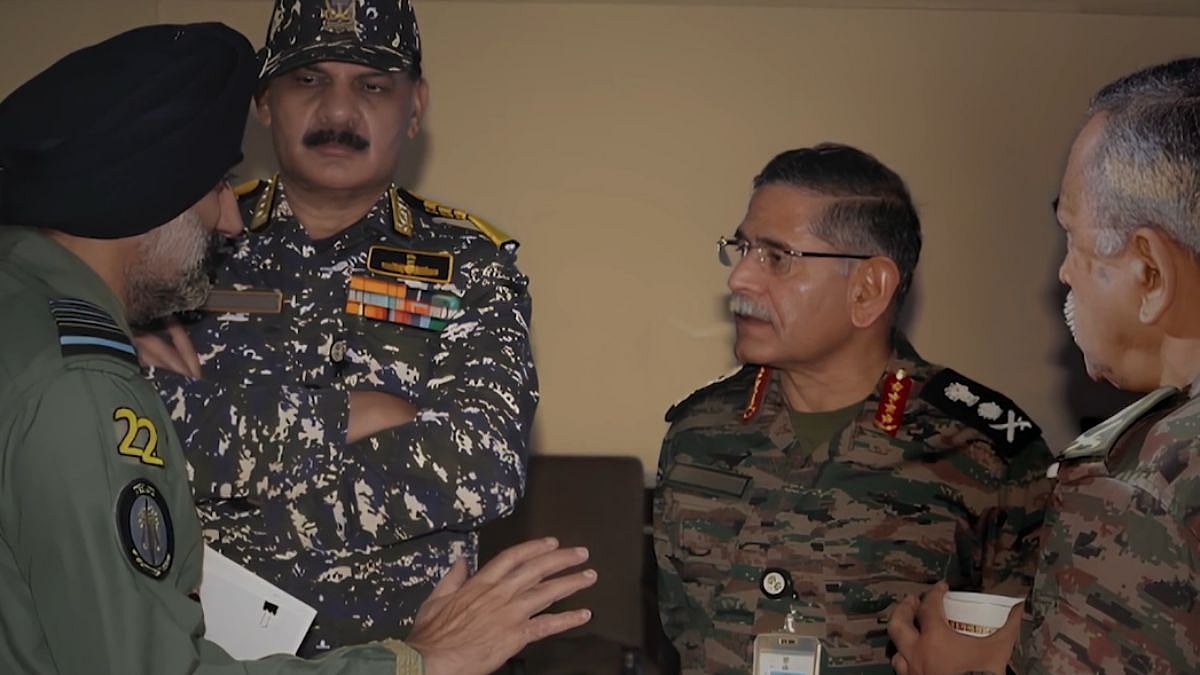
On April 30, India's military leadership received approval from Prime Minister Narendra Modi to conduct precision strikes on nine targets in Pakistan-occupied Jammu and Kashmir (PoJK) and Pakistan. This decision came after a thorough selection process, which initially identified 34 potential targets following the Pahalgam terror attack.
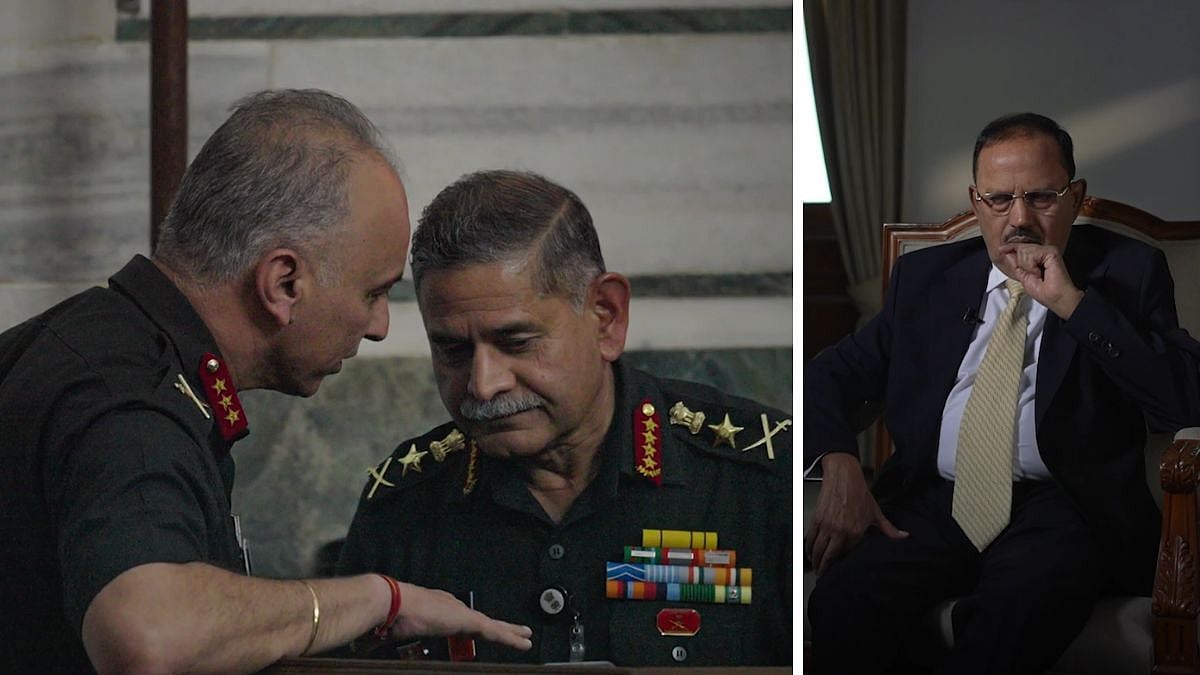
The selection process was guided by the need to deliver a strong message to terrorists and their handlers while minimizing civilian casualties. National Security Adviser Ajit Doval emphasized that the Prime Minister was clear in his instructions: the response should not result in collateral damage, and India was not waging a war against Pakistan.
According to the Director General of Military Operations (DGMO), the military initially identified around 34 potential targets. However, after intensive intelligence assessments, the list was narrowed down to nine sites. The target-selection process involved continuous research and evolving intelligence on the targets.
Military planners examined multiple factors before deciding whether a target should make the final list. These included the ease of targeting, line of sight, the number and nature of people present at the location, and the potential deterrence effect. Each target was assessed not only for its military significance but also for the feasibility and precision of the proposed strike.
The nine locations ultimately selected for the operation included Syedna Bilal Camp, Sawai Nala Camp, Kotli Gulpur Camp, Bhimber Mehmoona Joya Camp, Sarjal Camp, and three other sites in PoJK and Pakistan. Army Chief General Upendra Dwivedi said every building at the selected locations was studied in detail to determine the most appropriate weapons and methods for striking them.
The Indian Army carried out strikes on seven of the nine targets, while the remaining two were targeted by the Indian Air Force. The precision strikes were designed to send a strong message to terrorists and their handlers while avoiding unnecessary civilian casualties.
The operation was the result of a thorough and meticulous planning process, which involved continuous intelligence assessments and careful consideration of multiple factors. The selection of targets was guided by the need to deliver a strong and unmistakable message to terrorists and their handlers while minimizing civilian casualties.
The success of the operation demonstrates India's capability to conduct precision strikes and its commitment to protecting its citizens from terrorist threats. The operation also highlights the importance of careful planning and intelligence gathering in military operations.
In the context of the Pahalgam terror attack, the operation was a significant response from the Indian government. The attack had highlighted the need for strong action against terrorist groups operating in PoJK and Pakistan. The precision strikes were a demonstration of India's resolve to protect its citizens and its territory from terrorist threats.
The operation has significant implications for India's security and foreign policy. It demonstrates India's capability to conduct precision strikes and its commitment to protecting its citizens from terrorist threats. The operation also highlights the importance of careful planning and intelligence gathering in military operations.
In conclusion, the precision strikes on nine targets in PoJK and Pakistan were a significant response from the Indian government to the Pahalgam terror attack. The operation demonstrates India's capability to conduct precision strikes and its commitment to protecting its citizens from terrorist threats. The success of the operation highlights the importance of careful planning and intelligence gathering in military operations.
Frequently asked questions
What was the objective of India's precision strikes in PoJK and Pakistan?
The objective was to deliver a strong and unmistakable message to terrorists and their handlers while minimizing civilian casualties.
How many targets were initially identified for the operation?
The military initially identified around 34 potential targets, which were later narrowed down to nine sites.