Declassified: India's Path to Retaliation After Pahalgam Attack
Newly declassified accounts reveal India's response to the Pahalgam attack. PM Modi's immediate reaction and the decisions that led to retaliation.
'%3E%3Crect%20width%3D'96'%20height%3D'96'%20fill%3D'%234A235A'%2F%3E%3Ccircle%20cx%3D'30'%20cy%3D'24'%20r%3D'44'%20fill%3D'%23fff'%20opacity%3D'.12'%2F%3E%3Ccircle%20cx%3D'60'%20cy%3D'74'%20r%3D'40'%20fill%3D'%23000'%20opacity%3D'.10'%2F%3E%3C%2Fg%3E%3Cg%20fill%3D'none'%20stroke%3D'%23fff'%20stroke-width%3D'3'%3E%3Ccircle%20cx%3D'48'%20cy%3D'48'%20r%3D'16'%2F%3E%3Cellipse%20cx%3D'48'%20cy%3D'48'%20rx%3D'6.5'%20ry%3D'16'%2F%3E%3Cline%20x1%3D'32'%20y1%3D'42'%20x2%3D'64'%20y2%3D'42'%2F%3E%3Cline%20x1%3D'32'%20y1%3D'54'%20x2%3D'64'%20y2%3D'54'%2F%3E%3C%2Fg%3E%3C%2Fsvg%3E)
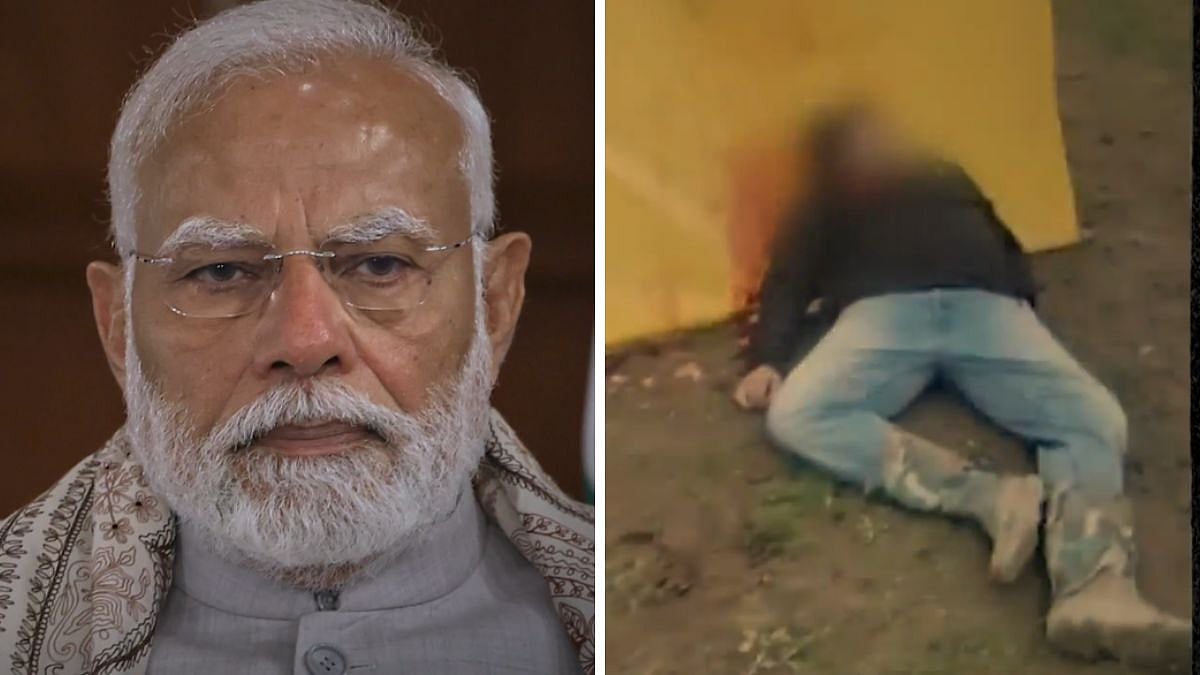
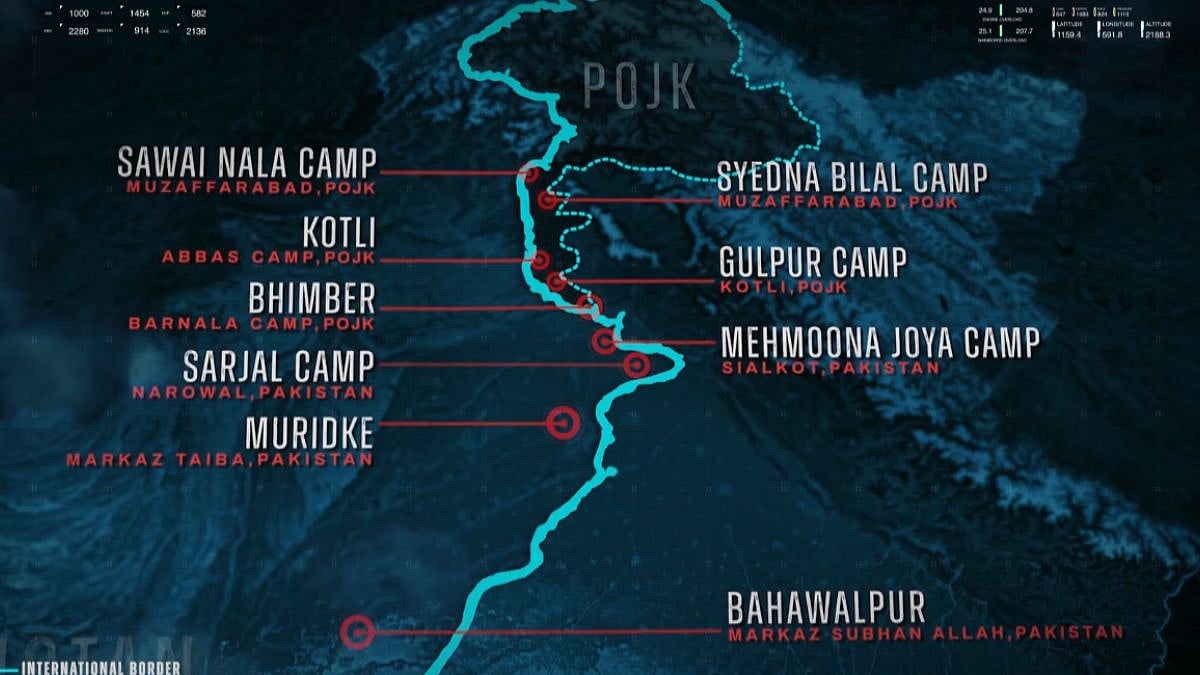
On April 22, 2026, a terrorist attack occurred in Pahalgam, setting India on a path to retaliation. Newly declassified accounts of Operation Sindoor have shed light on the events surrounding the attack.
According to National Security Analyst Nitin Gokhale, Pakistan Army chief Asim Munir made remarks about the differences between India and Pakistan in a speech to the NRP and investors around a fortnight before the attack. Gokhale said Munir's remarks amounted to provoking terrorist organisations and came against the backdrop of heightened tensions between the two countries.
The Pahalgam attack was a carefully planned operation aimed at achieving multiple strategic objectives, including creating a communal divide in India, undermining Kashmir's growing tourism-driven economy, and encouraging more local recruitment for terrorist organisations.
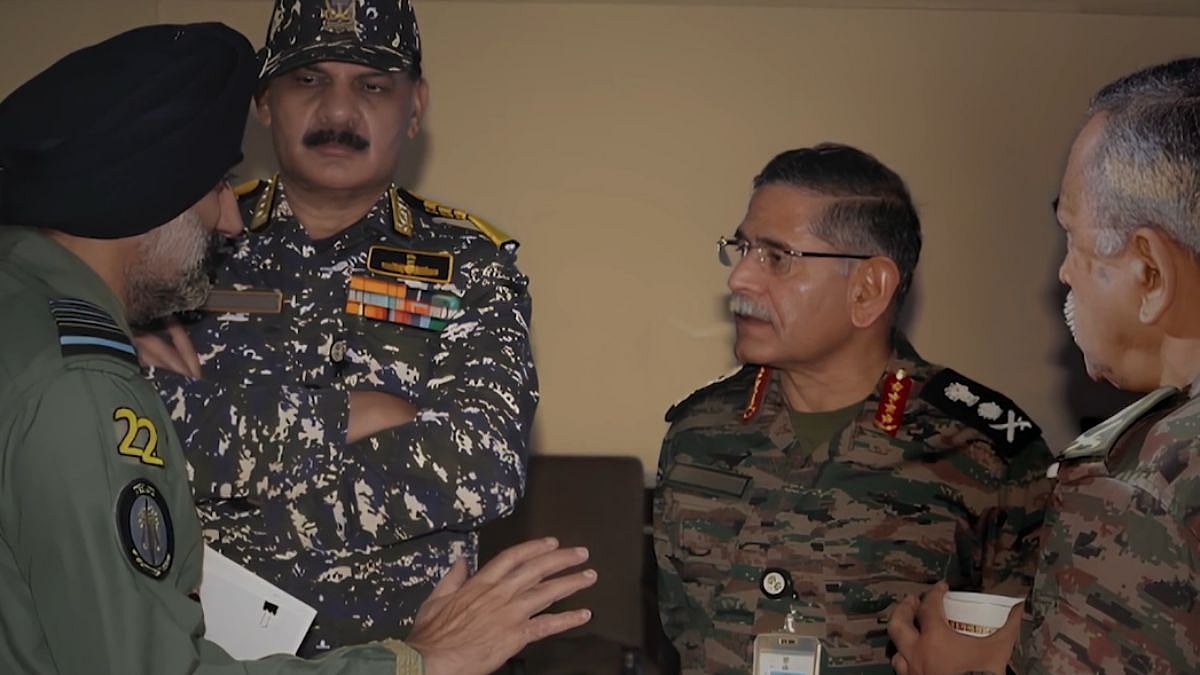
Lt Gen Rajiv Ghai, who was serving as the Director General of Military Operations (DGMO) during Operation Sindoor, recalled receiving a call from the Corps Commander in Kashmir informing him that something had happened in the Baisaran Valley near Pahalgam. Ghai said he immediately understood that the incident was different from a routine terrorist attack.
The attack occurred on April 22 while Army Chief General Upendra Dwivedi was attending a seminar for retiring officers. According to the declassified account, the DGMO discreetly informed the Army Chief about the attack. The Army immediately mobilised a nearby unit along with a Quick Reaction Team to reach the site.
However, the lack of a proper motorable road connecting Pahalgam with Baisaran meant that the troops had to cover the final stretch on foot, a journey that took approximately 30–40 minutes. As the soldiers approached the site, the scale of the massacre became apparent. The commanding officer of an infantry battalion recalled finding dead bodies scattered across the area.
The DGMO also said civilians were deliberately killed using automatic weapons, including AK-47 rifles. Gokhale said the nature of the attack differed from previous terrorist strikes, in which militants generally killed people indiscriminately. The attackers in Pahalgam identified victims based on their religion and specifically targeted Hindu men.
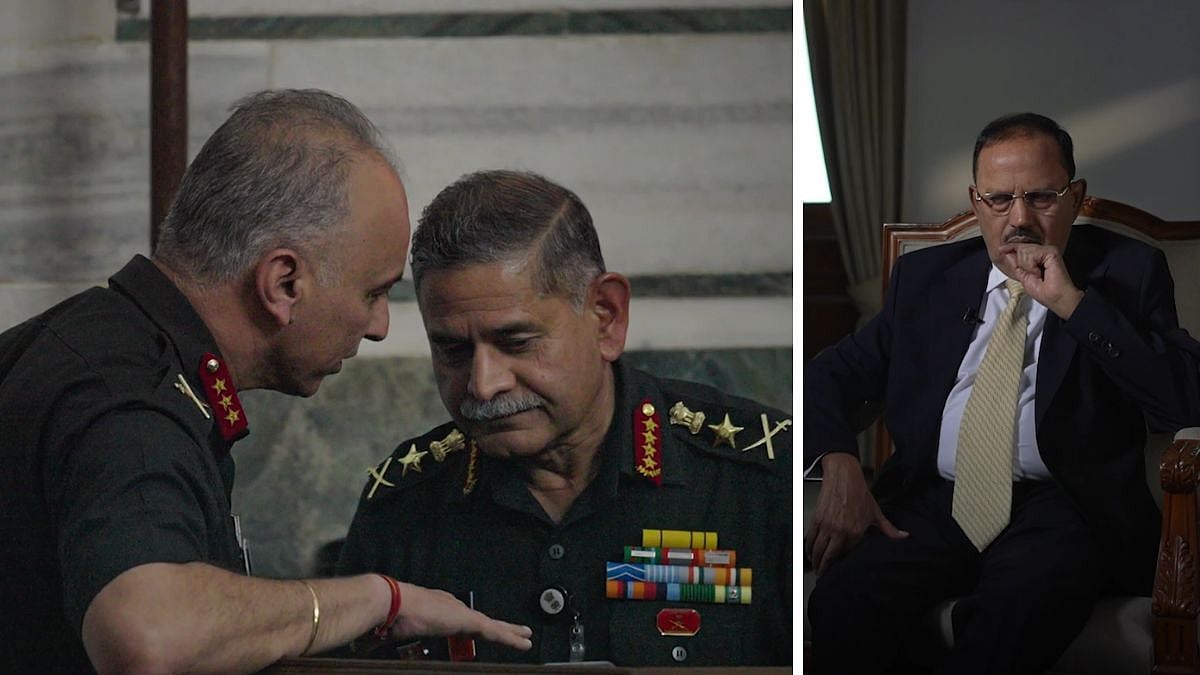
NSA Ajit Doval recalled that Prime Minister Narendra Modi was informed about the incident by a member of the Special Protection Group (SPG), even before Doval himself could brief him. Doval said the Prime Minister appeared unusually serious after learning about the attack.
The declassified accounts provide insight into the events surrounding the Pahalgam attack and India's subsequent retaliation. The attack was a significant incident that led to a strong response from the Indian government.
In the aftermath of the attack, India's military operations were put on high alert. The government's response was swift and decisive, with the Prime Minister taking a firm stance against terrorism.
The Pahalgam attack highlights the ongoing tensions between India and Pakistan. The incident has significant implications for regional security and stability.
The declassified accounts of Operation Sindoor provide a detailed understanding of the events surrounding the Pahalgam attack and India's response to it. The attack was a turning point in India's approach to dealing with terrorism and has had a lasting impact on the country's security policies.
In conclusion, the Pahalgam attack was a significant incident that led to a strong response from the Indian government. The declassified accounts of Operation Sindoor provide valuable insights into the events surrounding the attack and India's subsequent retaliation. The incident has significant implications for regional security and stability, and its impact will be felt for a long time to come.
Frequently asked questions
What was the Pahalgam attack?
The Pahalgam attack was a terrorist attack that occurred on April 22, 2026, in which civilians were deliberately killed using automatic weapons.
How did India respond to the attack?
India responded to the attack with a military operation, which was a swift and decisive response to the terrorism.