Wildfires Kill 17% of Giant Sequoias Since 2015
Giant sequoias are dying due to wildfires. Only 26% of areas have high resistance.
'%3E%3Crect%20width%3D'96'%20height%3D'96'%20fill%3D'%23B3261E'%2F%3E%3Ccircle%20cx%3D'30'%20cy%3D'24'%20r%3D'44'%20fill%3D'%23fff'%20opacity%3D'.12'%2F%3E%3Ccircle%20cx%3D'60'%20cy%3D'74'%20r%3D'40'%20fill%3D'%23000'%20opacity%3D'.10'%2F%3E%3C%2Fg%3E%3Cg%20fill%3D'%23fff'%3E%3Crect%20x%3D'29'%20y%3D'49'%20width%3D'8'%20height%3D'19'%20rx%3D'1'%2F%3E%3Crect%20x%3D'39'%20y%3D'40'%20width%3D'9'%20height%3D'28'%20rx%3D'1'%2F%3E%3Crect%20x%3D'50'%20y%3D'45'%20width%3D'8'%20height%3D'23'%20rx%3D'1'%2F%3E%3Crect%20x%3D'60'%20y%3D'53'%20width%3D'7'%20height%3D'15'%20rx%3D'1'%2F%3E%3Crect%20x%3D'41'%20y%3D'34'%20width%3D'5'%20height%3D'6'%2F%3E%3C%2Fg%3E%3C%2Fsvg%3E)
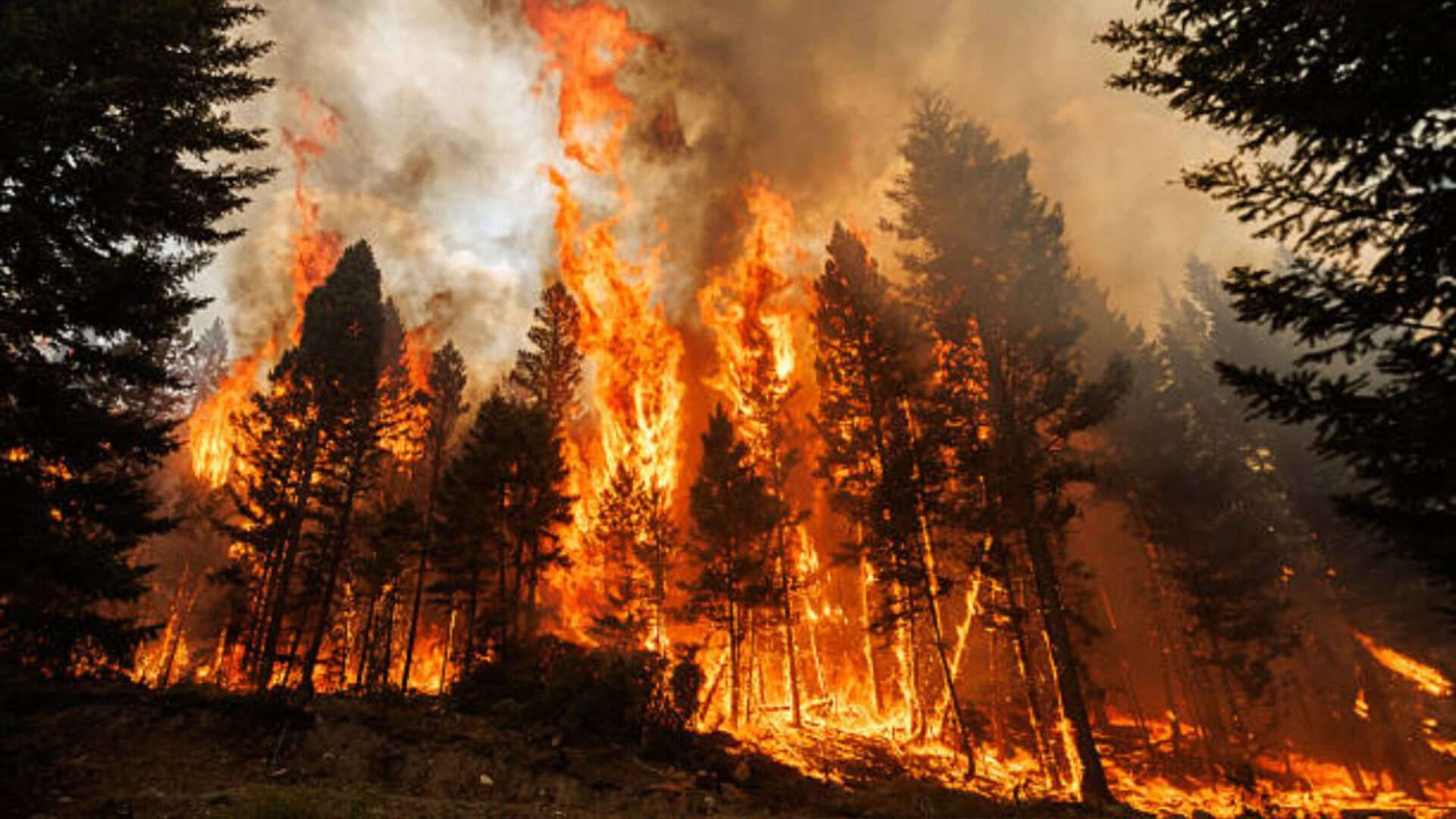
A recent study has revealed that wildfires have destroyed 17% of mature giant sequoias since 2015. This significant loss has left many groves vulnerable to further threats. The giant sequoia, an ancient tree species, relies on fire to reproduce, but the increasing frequency and intensity of wildfires are killing them instead.
The study found that only 26% of the remaining giant sequoia areas have high wildfire resistance, making them more susceptible to devastating fires. Efforts are being made to restore resilience and health in 44 groves, but the challenge is daunting.
The combination of warm winters and dry spells has created a dangerous environment for these trees, heightening the risk of future wildfires. The giant sequoia's reliance on fire to reproduce is a unique aspect of its life cycle, but the current wildfire situation is threatening their very existence.
Giant sequoias are not only an important part of their ecosystems, but they also play a crucial role in storing carbon and supporting biodiversity. The loss of these trees could have far-reaching consequences for the environment.
The study's findings highlight the need for urgent action to protect the giant sequoia population. This includes implementing effective forest management strategies, reducing the risk of wildfires, and promoting the restoration of resilient groves.
The giant sequoia's situation is a stark reminder of the impact of climate change on vulnerable ecosystems. As the planet continues to warm, the risk of devastating wildfires will only increase, posing a significant threat to these ancient trees.
In the face of this crisis, conservation efforts are underway to protect the giant sequoia. The restoration of 44 groves is a positive step, but more needs to be done to ensure the long-term survival of this species.
The loss of giant sequoias would not only be an environmental tragedy, but it would also have significant cultural and ecological implications. These trees are an important part of their ecosystems, and their loss could have a ripple effect throughout the environment.
In conclusion, the giant sequoia's situation is a pressing concern that requires immediate attention. The combination of warm winters, dry spells, and devastating wildfires has created a perfect storm that threatens the very existence of these ancient trees.
The significance of this issue extends beyond the giant sequoia population, as it highlights the broader impact of climate change on vulnerable ecosystems. As the planet continues to warm, the risk of devastating wildfires will only increase, posing a significant threat to many species and ecosystems.
Ultimately, the fate of the giant sequoia serves as a reminder of the need for urgent action to address the climate crisis and protect vulnerable ecosystems.