Sajjan Kumar Dies at 80
Former Congress MP convicted in 1984 anti-Sikh riots case passes away. He was 80 years old.
'%3E%3Crect%20width%3D'96'%20height%3D'96'%20fill%3D'%231A5276'%2F%3E%3Ccircle%20cx%3D'30'%20cy%3D'24'%20r%3D'44'%20fill%3D'%23fff'%20opacity%3D'.12'%2F%3E%3Ccircle%20cx%3D'60'%20cy%3D'74'%20r%3D'40'%20fill%3D'%23000'%20opacity%3D'.10'%2F%3E%3C%2Fg%3E%3Cg%20fill%3D'%23fff'%3E%3Cpath%20d%3D'M31%2041%20L48%2031%20L65%2041%20Z'%2F%3E%3Crect%20x%3D'33'%20y%3D'43'%20width%3D'4'%20height%3D'17'%2F%3E%3Crect%20x%3D'41'%20y%3D'43'%20width%3D'4'%20height%3D'17'%2F%3E%3Crect%20x%3D'51'%20y%3D'43'%20width%3D'4'%20height%3D'17'%2F%3E%3Crect%20x%3D'59'%20y%3D'43'%20width%3D'4'%20height%3D'17'%2F%3E%3Crect%20x%3D'30'%20y%3D'62'%20width%3D'36'%20height%3D'4'%20rx%3D'1'%2F%3E%3C%2Fg%3E%3C%2Fsvg%3E)
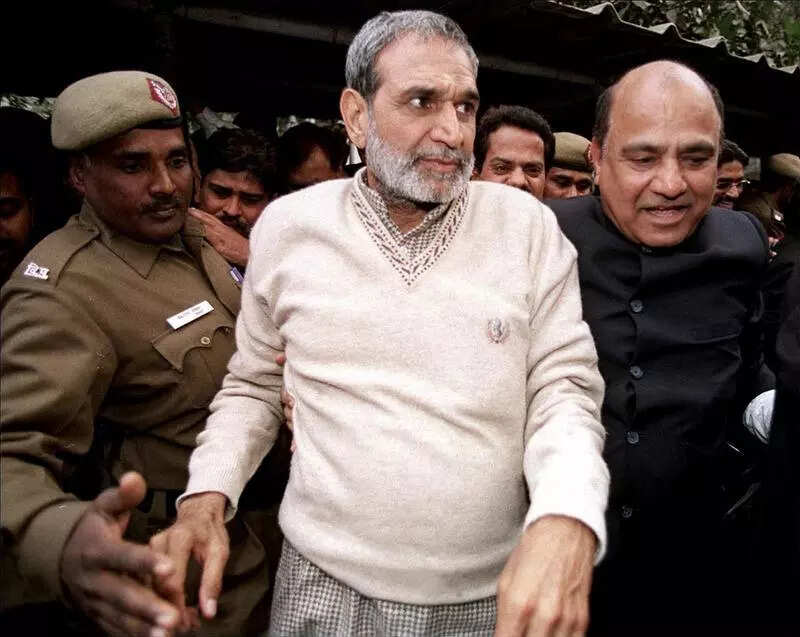
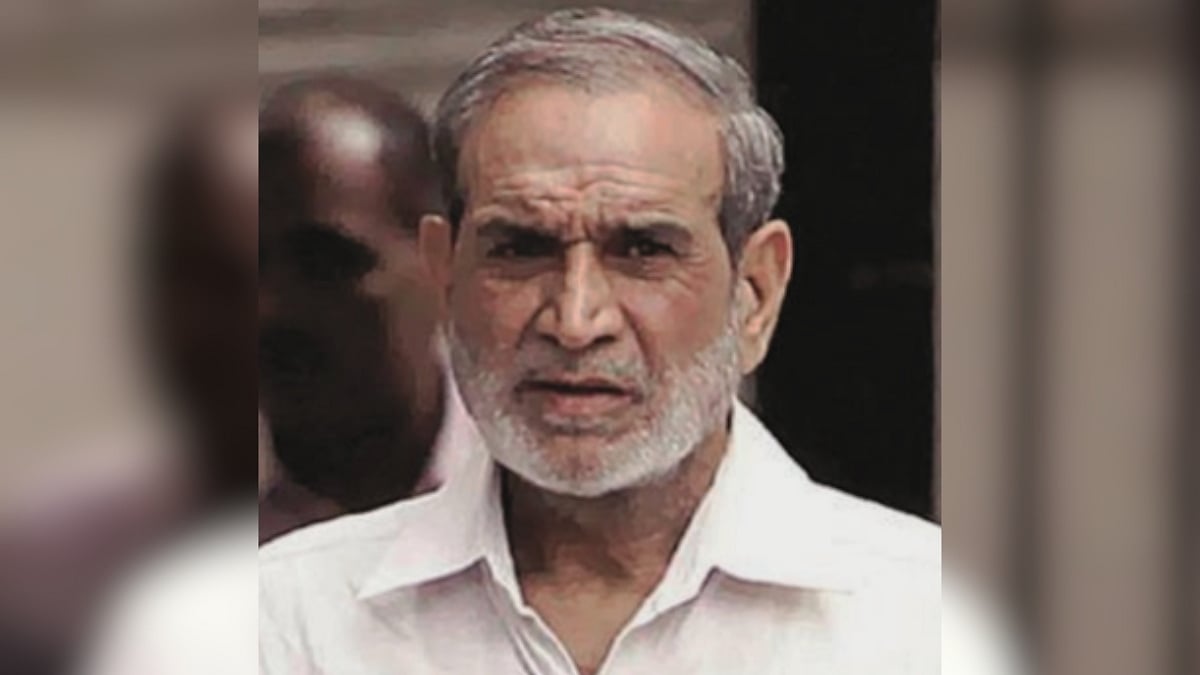
Former Congress MP Sajjan Kumar, who was convicted in the 1984 anti-Sikh riots case, has died at the age of 80.
He was a prominent figure in the Indian National Congress and had served as a Member of Parliament. However, his career was marred by the allegations of his involvement in the 1984 anti-Sikh riots, which resulted in the loss of thousands of lives.
In 2018, Kumar was convicted by the Delhi High Court for his role in the riots and was sentenced to life imprisonment. The conviction was a significant milestone in the pursuit of justice for the victims and their families.
The 1984 anti-Sikh riots were a dark chapter in Indian history, with widespread violence and killings reported in several parts of the country, particularly in Delhi. The riots were sparked by the assassination of then-Prime Minister Indira Gandhi by her Sikh bodyguards.
Kumar's death has brought back memories of the traumatic events of 1984, and many have taken to social media to express their thoughts and opinions on the matter. While some have condemned his actions and welcomed the justice that was served, others have expressed sympathy for his family.
The case against Kumar was one of the many that were reopened in recent years, as part of a larger effort to bring closure to the victims and their families. The Indian government has also taken steps to provide compensation and rehabilitation to those affected by the riots.
Kumar's conviction and subsequent sentencing were seen as a significant step towards justice, and his death has sparked a renewed discussion about the need for accountability and closure in cases of mass violence.
The 1984 anti-Sikh riots remain a sensitive and emotive issue in India, with many still seeking justice and closure. The case against Sajjan Kumar was a significant milestone in this pursuit, and his death serves as a reminder of the importance of accountability and the need for justice to be served.
In the end, Sajjan Kumar's legacy will be defined by his role in the 1984 anti-Sikh riots, and his death serves as a reminder of the devastating impact that violence and hatred can have on individuals, families, and communities.
The Indian National Congress has not issued an official statement on Kumar's death, but many of its leaders have expressed their condolences to his family. The party has also faced criticism for its handling of the 1984 riots and its response to the allegations against Kumar.
As the nation reflects on the life and legacy of Sajjan Kumar, it is clear that his death has sparked a renewed discussion about the need for justice, accountability, and closure in cases of mass violence. The pursuit of justice for the victims of the 1984 anti-Sikh riots will continue, and it is hoped that Kumar's death will serve as a reminder of the importance of promoting peace, tolerance, and understanding in our society.
In terms of significance, Sajjan Kumar's death is a reminder of the long and complex history of the 1984 anti-Sikh riots, and the ongoing efforts to bring justice and closure to the victims and their families. It also highlights the importance of accountability and the need for those responsible for such atrocities to be held accountable for their actions.
Frequently asked questions
What was Sajjan Kumar convicted of?
Sajjan Kumar was convicted in the 1984 anti-Sikh riots case and sentenced to life imprisonment.
How old was Sajjan Kumar when he died?
Sajjan Kumar was 80 years old when he died.